Can Mouth Taping Improve Your Oral Health? Facts & Myths About Mouth Taping Trend!
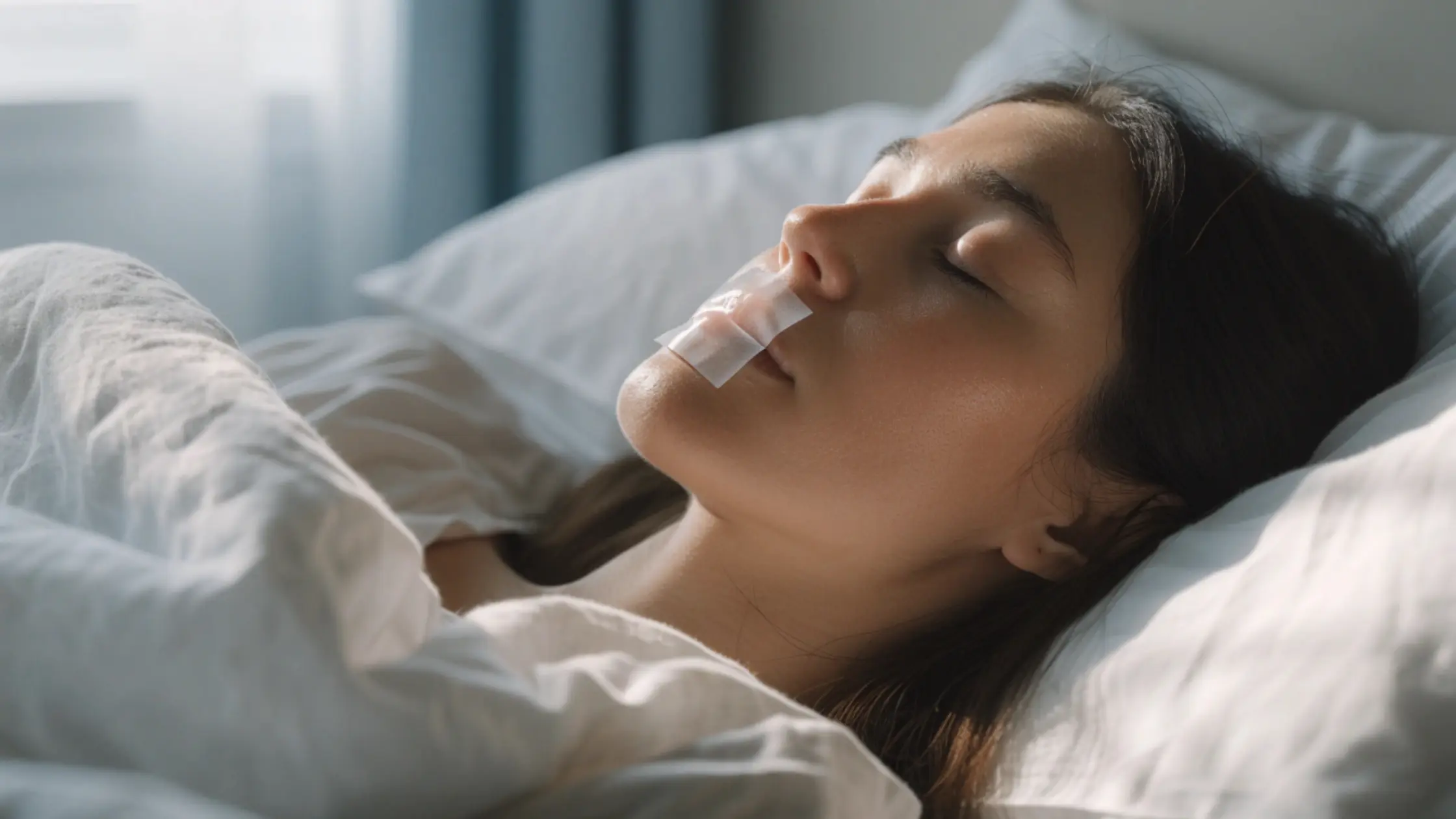
Scroll through social media and you may have already seen people going to bed with a small strip of tape across their lips. Mouth taping has become a popular wellness trend, with countless videos claiming that this simple nighttime habit can encourage nose breathing, reduce snoring, prevent dry mouth, improve sleep, and even support better oral health. Many people are now trying it themselves after seeing influencers and wellness creators demonstrate how they tape their mouths before sleeping.
But a viral trend is not automatically a scientifically proven health practice. The idea behind mouth taping trend sounds straightforward: keeping the mouth closed encourages you to breathe through your nose instead. Since chronic mouth breathing can contribute to dry mouth and may affect oral health, some people have started wondering whether mouth taping for oral health could be a useful solution.
So, can mouth taping improve your oral health, or is this another social media wellness trend that has been taken too far?
It’s more nuanced than simply answering yes or no. Nasal breathing has potential benefits, and reducing chronic mouth breathing may help some people. However, there is currently limited evidence that mouth taping itself improves oral health, and it may be inappropriate or unsafe for people with certain breathing or nasal conditions.
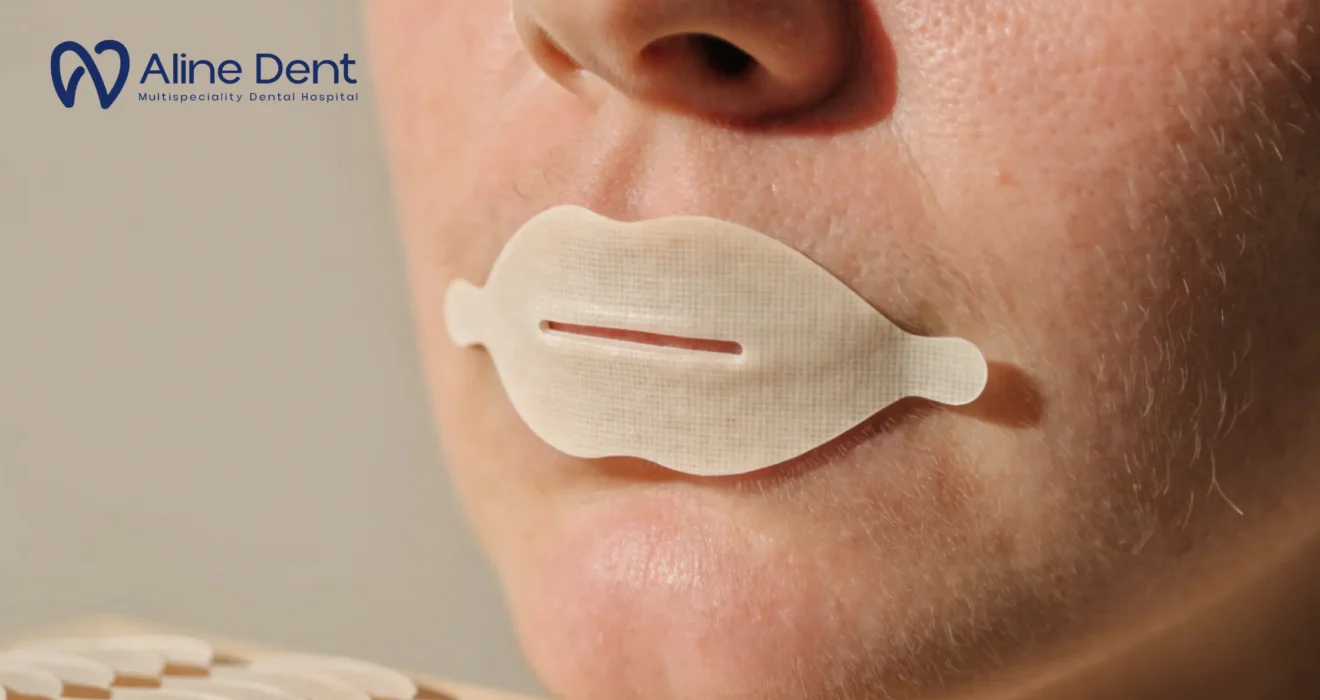
Mouth taping is the practice of placing a specially designed adhesive strip over the lips, usually before going to sleep, with the intention of encouraging nasal breathing throughout the night.
The concept has gained significant attention online because mouth breathing has been associated with problems such as dry mouth, bad breath, throat irritation and, in some circumstances, an increased risk of oral health problems.
The theory behind mouth taping for oral health is therefore relatively simple: if a person stops breathing through their mouth during sleep, their mouth may remain less dry, potentially creating a more favourable environment for the teeth and gums.
However, this does not mean that placing tape over the mouth automatically treats the reason someone is mouth breathing in the first place.
Why Has Mouth Taping Become So Popular?
The popularity of mouth taping trend has largely been driven by social media. Videos showing people applying mouth tape before bed have circulated widely, with creators promoting it as a simple “sleep hack” for everything from snoring and dry mouth to better sleep and improved facial appearance.
The appeal is understandable. It is inexpensive, easy to demonstrate and appears to require very little effort. Compared with complicated sleep routines or medical treatments, putting a small strip of tape over the lips can look like an effortless solution.
But social media often compresses complicated health issues into a single tip. Mouth breathing during sleep can have several possible causes, including nasal congestion, allergies, anatomical obstruction and sleep-related breathing disorders. Simply covering the mouth does not necessarily resolve those causes.
Can Mouth Taping Improve Your Oral Health?
This is where it is important to separate the theory from the evidence.
Nasal breathing helps warm, moisten, and filter the air before it reaches the lungs. In contrast, persistent mouth breathing can contribute to a dry mouth. Reduced saliva flow can make the mouth less comfortable and can affect the natural protective functions of saliva.
Because of this, some people believe that encouraging nasal breathing through mouth taping could reduce dry mouth and potentially support healthier teeth and gums.
However, there is not enough strong scientific evidence to conclude that mouth taping itself prevents cavities, gum disease, bad breath or other dental conditions. Current evidence on mouth taping trend is limited, and many of the popular claims surrounding it remain anecdotal.
So, while addressing chronic mouth breathing may be beneficial, mouth taping should not be considered a proven dental treatment.
How Does Mouth Breathing Affect Oral Health?
Breathing through the mouth occasionally is unlikely to cause major dental problems. The concern is more relevant when mouth breathing becomes frequent or chronic, particularly during sleep.
When the mouth remains open for long periods, saliva can evaporate more quickly. This can contribute to dry mouth during sleep, especially in people who already have reduced saliva production or other factors affecting oral moisture.
A persistently dry mouth may be associated with:
Bad breath
Increased plaque accumulation
Greater risk of tooth decay
Gum irritation
Difficulty swallowing or speaking comfortably
An unpleasant dry or sticky feeling after waking
Saliva plays an important role in protecting teeth by helping clear food particles and supporting the mouth’s natural defence mechanisms. Chronic mouth breathing can therefore be one factor worth considering when someone repeatedly wakes up with a dry mouth or unpleasant breath.
Can Mouth Taping Help With Dry Mouth?
This is among the reasons people are becoming increasingly interested in mouth taping for better oral health.
If someone is breathing through their mouth throughout the night, encouraging nasal breathing could theoretically reduce the amount of air passing directly through the oral cavity and help reduce the sensation of dryness.
However, that does not mean mouth tape is the right solution for everyone.
If your mouth naturally falls open because your nose is blocked, your nasal passages are narrow, you have allergies, a deviated septum or another obstruction, taping your mouth shut may make breathing more difficult rather than solving the problem.
If you regularly wake up with significant dry mouth, it is better to understand why you are mouth breathing at night rather than simply covering the mouth.
Does Mouth Taping Prevent Bad Breath?
Another popular claim is that mouth taping for bad breath can improve morning breath by preventing the mouth from becoming dry during sleep.
There is some logic behind the connection because dry mouth can contribute to unpleasant breath. However, bad breath has many possible causes.
Therefore, mouth taping trend should not be viewed as a treatment for persistent halitosis.
If bad breath continues despite brushing, flossing and tongue cleaning, a dental examination can help identify whether an underlying oral health problem is responsible.
Can Mouth Taping Prevent Cavities?
There is currently not enough evidence to say that mouth taping prevents cavities.
The connection being proposed is indirect. Chronic mouth breathing can contribute to oral dryness, while saliva helps protect teeth. Therefore, reducing unnecessary mouth breathing could potentially be helpful for someone whose oral dryness is related to this habit. But mouth taping and cavities are not a simple cause-and-effect relationship.
Cavities develop through multiple factors, including oral bacteria, dietary habits, plaque accumulation, fluoride exposure, saliva and individual susceptibility. Taping the mouth at night cannot replace brushing with fluoride toothpaste, cleaning between the teeth, limiting frequent sugar exposure and maintaining regular dental check-ups.
Does Mouth Taping Help Gum Health?
Healthy gums depend on good plaque control and an environment that supports normal oral tissues.
Persistent mouth breathing can contribute to dryness and may cause discomfort or irritation around the gums in some people. This has led to interest in whether mouth taping can indirectly support gum health.
However, there is no strong evidence that mouth tape can prevent or treat gingivitis or periodontal disease.
If your gums bleed regularly, appear swollen or become tender, the priority should be identifying the cause. Professional dental evaluation and proper plaque control are much more established approaches to maintaining healthy gums.
Can Mouth Taping Reduce Snoring?
This is another major reason behind the trend.
Some small studies have suggested that certain forms of mouth covering may reduce snoring or breathing events in selected people, particularly those with mild sleep-related breathing problems. However, the evidence is limited, and mouth taping is not considered a standalone treatment for sleep apnea.
Snoring can sometimes be harmless, but loud or persistent snoring may also be associated with obstructive sleep apnea.
If you experience loud snoring along with gasping, choking during sleep, witnessed pauses in breathing or significant daytime sleepiness, it is important to seek medical evaluation rather than trying to manage the problem with social media sleep hacks.
Is Mouth Taping Safe?
The answer depends heavily on the individual.
Mouth taping may cause skin irritation, redness, discomfort or difficulty sleeping. More importantly, if a person’s nasal breathing is restricted, forcing the mouth to remain closed can make it harder to get adequate airflow.
People with nasal obstruction, significant congestion, chronic allergies, certain respiratory problems or suspected sleep apnea should be particularly cautious.
This is why “is mouth taping safe” is a more important question than simply asking whether the trend is popular.
A method being widely shared online does not mean it is appropriate for everyone.
Who Should Avoid Mouth Taping?
Mouth taping should not be treated as a universal sleep solution.
Extra caution is particularly important for people who have:
Persistent nasal congestion
Chronic allergies affecting nasal breathing
A deviated nasal septum or other nasal obstruction
Difficulty breathing through the nose
Suspected or untreated obstructive sleep apnea
Certain respiratory conditions
Significant anxiety or discomfort associated with restricted breathing
Children should not be encouraged to use mouth tape without appropriate professional guidance. Chronic mouth breathing in a child deserves assessment to determine why it is happening rather than simply attempting to keep the mouth closed.
Mouth Taping vs Treating the Cause of Mouth Breathing
This is perhaps the most important distinction.
If you breathe through your mouth because your nose is blocked, the long-term solution should focus on the reason for the blockage.
For example, someone with allergies may need appropriate allergy management. Someone with a structural nasal problem may require evaluation by an ENT specialist. Someone with suspected sleep apnea may need a sleep assessment.
In these situations, mouth taping could potentially mask the symptom without addressing the underlying problem.
A better question is not simply, “How can I stop my mouth from opening?” but “Why am I breathing through my mouth while sleeping?”
How Can a Dental Clinic Help With Mouth Breathing?
If you regularly breathe through your mouth, especially during sleep, simply using mouth tape may not address the underlying cause. A dental and orthodontic evaluation can help determine whether factors involving the teeth, jaw alignment, bite, or oral-facial development may be contributing to the problem.
At Aline Dent, orthodontic and maxillofacial services can help assess these dental and jaw-related factors and recommend appropriate treatment when needed. If nasal obstruction or another airway problem is suspected, an ENT evaluation may also be necessary. The goal should be to identify and address the reason behind mouth breathing rather than simply forcing the lips to remain closed.
What Can You Do Instead of Mouth Taping?
If your goal is better oral health, there are safer and more established habits to prioritise.
Maintain good oral hygiene
Brush twice daily using fluoride toothpaste and clean between your teeth regularly. This remains far more important for preventing tooth decay and gum disease than following a viral mouth-taping trend.
Address persistent dry mouth
If you frequently wake up with a dry mouth, discuss it with a dentist or healthcare professional. Medications, dehydration, mouth breathing and several other factors can contribute to dryness.
Treat nasal problems
If allergies, congestion or nasal obstruction are making it difficult to breathe through your nose, addressing the underlying issue may be more useful than taping the mouth closed.
Get persistent snoring evaluated
If you snore heavily or have other symptoms suggestive of sleep apnea, professional assessment is important. Depending on the diagnosis, treatments may include medically appropriate approaches such as CPAP or professionally fitted oral appliances.
Maintain regular dental check-ups
Regular dental visits can help identify early signs of tooth decay, gum inflammation, enamel problems, dry-mouth-related concerns and other oral conditions.
Mouth Taping Is Not the Same as a Dental Mouthguard
The growing popularity of mouth taping trend has also caused some confusion with dental mouthguards.
They are completely different.
A mouthguard for teeth grinding is designed to protect teeth from the effects of clenching and grinding. A professionally prescribed oral appliance may also be used for certain cases of snoring or obstructive sleep apnea. These appliances are designed according to a specific purpose and, in many cases, require professional fitting.
Mouth tape, on the other hand, simply covers the lips and does not protect the teeth or reposition the jaw.
Mouth Taping and Oral Health: Facts vs Myths
Claim
Facts VS Myths
Mouth taping guarantees better oral health
Myth – There is not enough evidence to make this claim.
Mouth breathing can contribute to dry mouth
Fact – Persistent mouth breathing can contribute to oral dryness.
Mouth taping can cure bad breath
Myth – Bad breath has many possible causes and requires appropriate evaluation.
Mouth taping prevents cavities
Not proven – There is insufficient evidence to recommend it for cavity prevention.
Nasal breathing has benefits
Fact – Nasal breathing helps warm, humidify and filter inhaled air.
Mouth taping can be risky if the nose is blocked
Fact – Restricting the mouth when nasal airflow is inadequate can make breathing difficult.
Mouth taping is a treatment for sleep apnea
Myth – It should not replace appropriate assessment or established treatment.
What Does a Dentist Say About Mouth Taping?
From an oral-health perspective, the most useful approach is to look at the reason behind the symptom.
If a person has persistent dry mouth, morning bad breath, gum irritation or other concerns associated with nighttime mouth breathing, a dentist can assess the condition of the teeth and gums and determine whether there are signs of an underlying oral health problem.
A dentist may also recommend addressing factors such as plaque buildup, gum disease, cavities or dry mouth rather than relying on a trend-based solution.
For people who also have significant snoring, nasal blockage or suspected sleep-disordered breathing, dental assessment may need to be complemented by medical or sleep evaluation.
Can Mouth Taping Improve Your Oral Health? The Bottom Line
So, can mouth taping improve your oral health?
It is possible to understand why the idea has become popular. Chronic mouth breathing can contribute to dry mouth, and nasal breathing has several natural advantages. However, current evidence is not strong enough to recommend mouth taping trend as a proven method for improving oral health. Most of the broader claims promoted on social media remain insufficiently supported.
Mouth taping should therefore not replace established dental habits such as brushing with fluoride toothpaste, cleaning between the teeth, maintaining adequate hydration, managing dry mouth and attending regular dental check-ups.
Most importantly, if you regularly sleep with your mouth open, experience significant dry mouth, snore loudly or struggle to breathe through your nose, find out why it is happening before trying to force the mouth closed.
Final Thoughts
Mouth taping trend may look like a simple solution to a complicated problem, which is exactly why the trend has spread so quickly across social media. But oral health is influenced by much more than whether your lips remain closed while you sleep.
If you are experiencing dry mouth, bad breath, gum problems or other dental concerns, identifying the underlying cause is more useful than following a viral trend blindly. Mouth taping for oral health may sound promising, but it should be approached with caution and should never replace proper dental care or evaluation of breathing problems.
Frequently Asked Questions
Can mouth taping improve your oral health?
There is currently insufficient evidence to say that mouth taping directly improves oral health. It may theoretically reduce mouth breathing and dryness in some people, but it should not replace proven dental care.
Does mouth taping help dry mouth?
It may theoretically reduce dryness associated with mouth breathing by encouraging nasal breathing. However, dry mouth can have several causes, so persistent symptoms should be evaluated rather than automatically treated with mouth tape.
Can mouth taping prevent bad breath?
There is not enough evidence to recommend mouth taping as a treatment for bad breath. Persistent bad breath can be caused by plaque, gum disease, cavities, tongue coating, dry mouth and other factors.
Does mouth taping prevent cavities?
There is no strong evidence that mouth taping prevents cavities. Regular brushing with fluoride toothpaste, cleaning between the teeth, dietary care and dental check-ups remain important for cavity prevention.
Is mouth taping safe while sleeping?
It is not suitable for everyone. People with nasal obstruction, significant congestion, difficulty breathing through the nose or suspected sleep apnea should seek professional advice before considering it.
Should children use mouth tape while sleeping?
Children should not be encouraged to use mouth tape without professional guidance. Persistent mouth breathing in a child should be assessed to determine its underlying cause.
Is mouth taping a replacement for a mouthguard?
No. Mouth tape and dental mouthguards serve different purposes. Mouthguards may be used for concerns such as teeth grinding or, when professionally prescribed, certain sleep-related breathing problems. Mouth tape simply encourages the lips to remain closed.