Do Teeth Whitening Strips Damage Teeth? Risks & Safety!
A brighter smile has become a beauty goal for many people, and teeth whitening strips are making it easier than ever to experiment with a whiter appearance at home. The teeth whitening strips trend has become increasingly popular just like purple whitening products, among people looking for an affordable way to achieve whiter teeth without visiting a dental clinic. Influencers regularly showcase their teeth whitening journeys, share product recommendations, and highlight their results, creating the impression that whitening strips can quickly and effortlessly improve the appearance of stained or yellow teeth.
The appeal is easy to understand. Whitening strips are convenient, widely available, and usually less expensive than professional cosmetic dental treatments. However, social media videos rarely show the full picture, including tooth sensitivity, gum irritation, incorrect product use, or the potential problems associated with excessive whitening.
This raises an important question: do teeth whitening strips damage teeth, or are they safe when used correctly?
The answer depends on the product, its ingredients, the condition of your teeth, and how you use it. Whitening strips can help reduce certain types of tooth discolouration, and some products have been shown to be safe when used according to the instructions. However, overuse, inappropriate application, or whitening teeth that already have dental problems can increase the risk of unwanted effects. Understanding the potential risks can guide you towards safer teeth-whitening options.
What Are Teeth Whitening Strips?
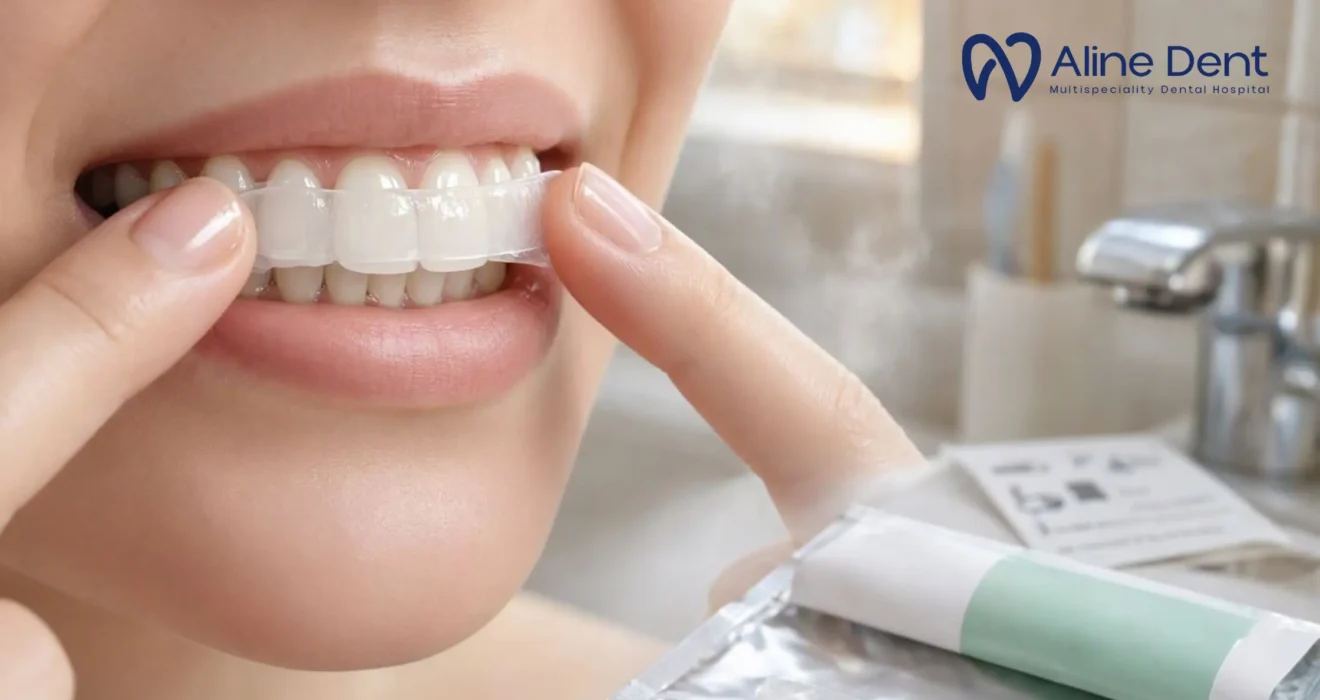
Teeth whitening strips consist of flexible strips coated with a whitening solution that clings to the front of the teeth. Many products contain hydrogen peroxide or another peroxide-based ingredient that helps break down coloured compounds responsible for tooth discolouration.
Unlike whitening toothpaste, which mainly helps remove certain surface stains through cleaning and polishing ingredients, peroxide-based whitening strips work through a chemical bleaching process. The active ingredient penetrates the tooth structure and changes the appearance of the compounds responsible for discolouration.
Most over-the-counter whitening strips are designed for home use over a specified treatment period. Depending on the product, this may involve applying the strips for a set number of minutes each day over several days or weeks.
Although the instructions may appear simple, the concentration of the whitening agent, application time, fit of the strip, and existing dental condition all influence the outcome.
Do Teeth Whitening Strips Damage Teeth?
Do teeth whitening strips damage teeth? Not necessarily.
Using a suitable whitening strip product according to the manufacturer’s instructions does not automatically damage healthy teeth. However, they can cause side effects, particularly when used too frequently, left on longer than recommended, or applied without considering existing dental problems.
The most commonly reported side effects are temporary tooth sensitivity and irritation of the gums. Some research also examines how whitening ingredients and treatment conditions affect enamel surfaces. These effects vary depending on the product formulation, concentration, and frequency of use.
The important distinction is between appropriate whitening and excessive whitening. Using a product as directed is different from repeating treatments continuously in pursuit of an unnaturally bright shade.
If you are wondering, do teeth whitening strips damage teeth over time, the concern is particularly relevant when products are overused or when sensitivity and irritation are repeatedly ignored. Persistent or inappropriate bleaching may affect the condition of the teeth and surrounding tissues.
Can Whitening Strips Damage Tooth Enamel?
Enamel is the hard outer layer that protects the visible part of each tooth. It helps withstand everyday chewing and shields the more sensitive structures underneath.
One common concern about whitening strips is whether the bleaching ingredient wears away this protective layer.
Peroxide-based whitening works mainly by changing coloured compounds within the tooth rather than by scrubbing away enamel. Nevertheless, some laboratory research has reported changes in enamel surface characteristics under certain whitening conditions. The results can depend on the product’s concentration, formulation, pH, and exposure time.
This does not mean that every whitening strip damages enamel. It does mean that product choice and correct use matter.
People who already have enamel erosion, worn tooth surfaces, exposed dentin, or significant sensitivity should be particularly careful. Whitening strips cannot restore lost enamel, and whitening may make an existing sensitivity problem more noticeable.
Avoid using whitening products more often than recommended, and do not combine multiple whitening products simply to speed up the results.
What Are the Side Effects of Teeth Whitening Strips?
Understanding the possible teeth whitening strips side effects is essential before starting an at-home whitening routine.
1. Tooth sensitivity
Tooth sensitivity is one of the most common side effects of bleaching. You may notice a brief, sharp sensation when drinking cold water, eating hot food, or breathing in cool air.
Peroxide-based whitening ingredients can pass through enamel and dentin, and the whitening process may temporarily affect the tissues inside the tooth. Sensitivity is often temporary, but it can be uncomfortable.
If sensitivity begins during treatment, stop using the strips and seek advice from a dentist if it is significant, persistent, or worsening.
2. Gum irritation
Whitening gel can irritate the gums when it comes into direct contact with the soft tissues. This may cause redness, soreness, or a burning sensation.
Poorly fitting strips, excessive gel exposure, or applying strips over the gumline can increase the likelihood of irritation. Follow the manufacturer’s placement instructions and avoid using products that cause significant discomfort.
3. Uneven whitening
Whitening strips may not reach all tooth surfaces equally. Teeth that are rotated, crowded, or positioned differently may receive uneven exposure to the gel.
Existing fillings, crowns, veneers, and other tooth-coloured restorations will not whiten in the same way as natural teeth. This can make the final result appear uneven.
4. Increased sensitivity in already vulnerable teeth
People with untreated cavities, cracked teeth, gum recession, or exposed root surfaces may experience more discomfort during whitening.
If you already experience pain when consuming hot or cold foods, it is better to have the cause assessed before starting an at-home whitening treatment.
Can Teeth Whitening Strips Cause Permanent Damage?
For most healthy adults, occasional use of an appropriate whitening product according to its instructions is not expected to cause permanent damage. However, no whitening method is completely free of risk.
The primary concerns are linked to overuse, choosing unsuitable products, prolonged exposure, and overlooking symptoms. Repeated bleaching without adequate breaks or professional guidance may increase the risk of ongoing sensitivity and gum irritation. Some whitening protocols may also affect enamel surface properties.
If your teeth begin to look unusually translucent at the edges, become persistently sensitive, or develop new areas of discomfort, stop whitening and arrange a dental assessment. Translucency may occur due to various factors, including pre-existing enamel thinning, and should not be attributed solely to whitening strips.
The goal should be a healthy, natural-looking smile, not the whitest possible shade at any cost.
Why Do Teeth Become Yellow Even After Whitening?
Teeth can look yellow for several reasons, and not all discolouration responds equally well to whitening strips.
Common causes include:
- Food and beverages: Coffee, tea, and other strongly coloured drinks can contribute to surface staining.
- Tobacco use: Smoking and other tobacco products can cause noticeable discolouration.
- Ageing: Enamel gradually changes with age, allowing more of the naturally yellow dentin underneath to show through.
- Dental plaque and tartar: Accumulated deposits can make teeth appear yellow or dull.
- Certain medications or developmental conditions: Some types of internal discolouration require specific assessment.
- Enamel erosion: Thinning enamel can make the underlying dentin more visible.
If the yellow appearance is primarily caused by surface stains, professional cleaning may help. If the colour comes from within the tooth, bleaching may be more appropriate, depending on the cause and the condition of the teeth.
Choosing the right treatment starts with identifying the type of discolouration rather than immediately buying a stronger whitening product.
Are Teeth Whitening Strips Safe for Everyone?
No. Although some over-the-counter whitening strips can be effective when used correctly, they are not suitable for everyone.
You should consult a dentist before whitening if you have:
- Untreated cavities or tooth decay
- Cracked or damaged teeth
- Persistent tooth sensitivity
- Gum disease or inflamed gums
- Exposed roots or significant gum recession
- Existing crowns, veneers, or multiple visible fillings
- A history of significant discomfort during whitening
Children and teenagers should not start cosmetic whitening treatments without appropriate professional guidance. Pregnancy or breastfeeding is also a reason to discuss elective whitening with a healthcare professional before proceeding, as evidence on whitening safety in these circumstances is limited.
A dental examination can help identify problems that should be treated before whitening and determine whether strips are a suitable option.
How to Use Teeth Whitening Strips Safely?
If you decide to use whitening strips, following the product instructions carefully is essential. These practical steps can help reduce avoidable problems.
Choose a reputable product
Purchase products from reliable sources and check the ingredients, directions, warnings, and expiry date. Where available, look for recognised independent safety or efficacy certification.
Avoid products that make unrealistic promises or recommend excessively frequent use.
Follow the recommended application time
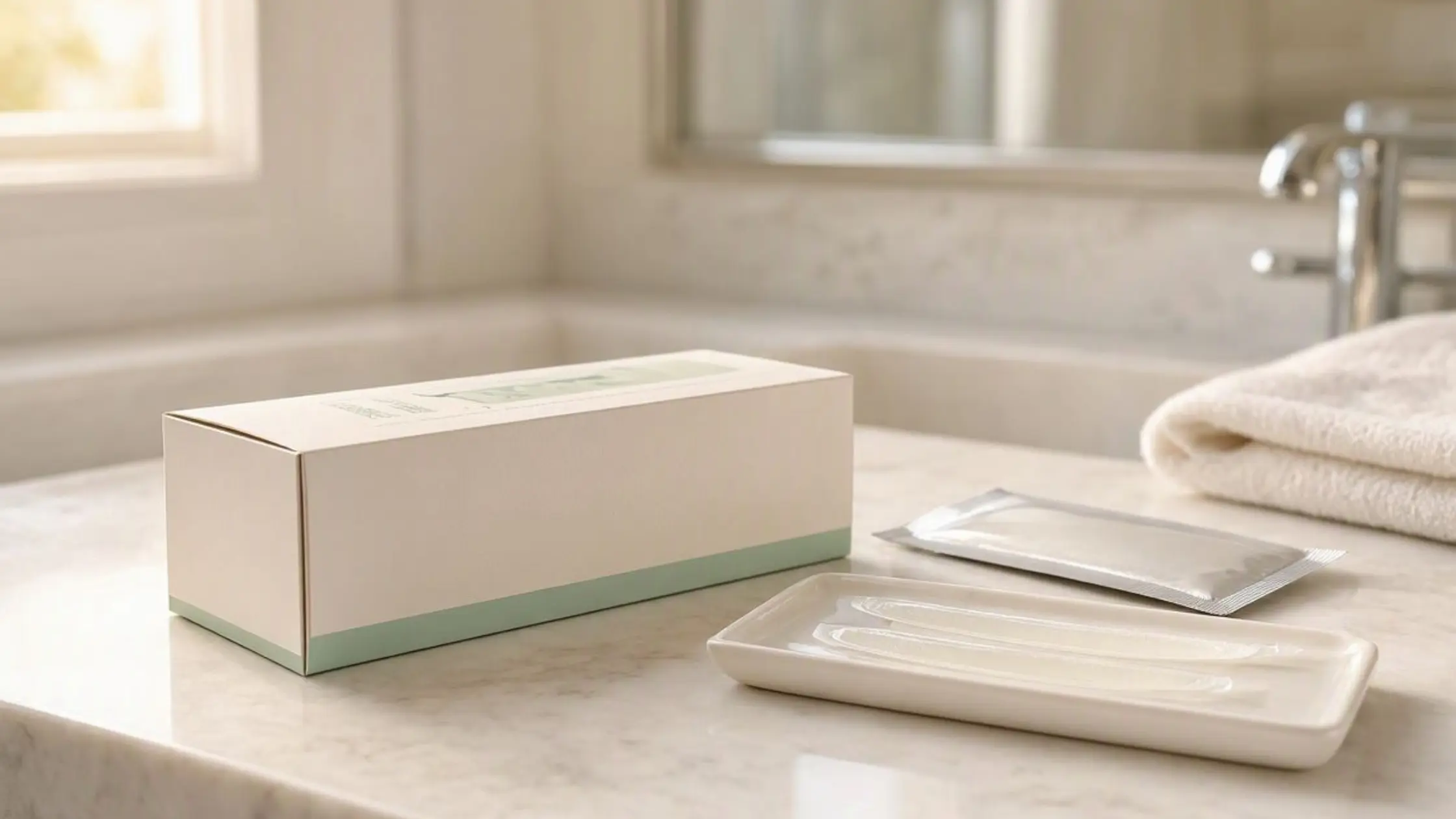
Do not leave strips on longer than instructed or use extra strips to accelerate the process. More exposure does not necessarily produce better results, and it may increase irritation or sensitivity.
Avoid overlapping whitening treatments
Combining whitening strips with whitening pens, concentrated bleaching gels, and other peroxide-based products may increase the total exposure to whitening agents.
Stick to one treatment plan unless a dental professional recommends otherwise.
Keep the gel away from your gums
Position the strips according to the instructions and avoid pushing excess gel onto the gum tissue. If you experience burning or marked irritation, remove the strips and stop treatment.
Do not ignore tooth pain
Mild temporary sensitivity can occur, but severe pain or sensitivity that persists after stopping treatment should be evaluated. A dental professional can identify whether the symptoms are associated with whitening or a different dental condition.
Teeth Whitening Strips vs Professional Teeth Whitening
Both at-home whitening strips and professional whitening treatments can improve the appearance of natural teeth, but they differ in how treatment is planned and supervised.
| Feature | Teeth whitening strips | Professional teeth whitening |
| Treatment setting | Used at home | Performed in a dental clinic or provided under dental supervision |
| Assessment before whitening | Depends on whether the user seeks dental advice | Dental condition can be assessed before treatment |
| Application | Self-applied | Applied or planned by dental professionals |
| Treatment schedule | Depends on the product instructions | Tailored to the patient’s needs and the whitening system |
| Sensitivity management | User must recognise and respond to symptoms | The dentist can assess sensitivity risks and modify the approach |
| Existing dental problems | May go unnoticed without an examination | Can be identified during the initial assessment |
| Crowns and veneers | Do not whiten restorations | Whitening also does not change the colour of restorations |
Professional whitening is not completely free of side effects. Temporary sensitivity and gum irritation can occur with either approach. The main benefit of professional dental care is that a dentist can assess your oral health, explain the expected results, and recommend the most appropriate treatment.
Is Professional Teeth Whitening Better Than Whitening Strips?
The right choice depends on your dental condition, the nature of the stains, your level of tooth sensitivity, and the results you hope to achieve.
Whitening strips may be suitable for some adults with healthy teeth who want a gradual improvement in colour and can follow the product instructions carefully.
Professional teeth whitening may be preferable when you want an individual assessment, have existing restorations, are concerned about sensitivity, or are unsure why your teeth have become discoloured.
A dentist can also explain whether professional cleaning alone may improve the appearance of surface stains or whether bleaching is likely to provide a more noticeable change.
Keep in mind that whitening treatments only affect natural tooth enamel and cannot alter the colour of crowns, veneers, fillings, or implants. If these restorations are visible, treatment planning should account for their existing shade.
Professional Teeth Whitening at Aline Dent
At Aline Dent Multispeciality Dental Hospital, professional teeth whitening is available at the Thalassery, Kuttiyadi & Vadakara clinics for people who want to improve the appearance of stained or discoloured teeth.
Rather than relying solely on an over-the-counter product, a dental assessment can help determine the likely cause of the discolouration and whether professional whitening is appropriate. Factors such as tooth sensitivity, existing restorations, gum health, and the type of staining can influence the treatment plan.
Aline Dent offers in-clinic teeth whitening and personalised smile-brightening options. Professional whitening can provide a more controlled approach to treatment, with guidance on managing sensitivity and achieving a natural-looking result. Depending on the patient’s oral condition, the dental team may also recommend professional scaling and polishing before whitening to remove plaque, tartar, and certain surface stains.
If you are considering teeth whitening strips but are concerned about enamel damage, sensitivity, or uneven results, a consultation can help you understand the available options before beginning treatment.
The aim is not simply to make teeth as white as possible. It is to choose an appropriate cosmetic treatment while taking the health of the teeth and gums into account.
How Can You Maintain Whiter Teeth After Whitening?
Whitening results can gradually fade as new stains accumulate. Everyday habits play an important role in maintaining the appearance of your smile.
- Brush twice daily with fluoride toothpaste.
- Clean between your teeth regularly.
- Reduce your intake of staining beverages like coffee and tea.
- Rinse your mouth with water after drinking beverages with strong colours.
- Avoid tobacco products.
- Attend regular dental check-ups and professional cleaning when recommended.
- Avoid repeating whitening treatments more often than directed.
You do not need to keep bleaching your teeth continuously to maintain a healthy smile. If the colour begins to change noticeably, discuss the cause and suitable options with your dentist instead of automatically increasing the frequency of whitening.
Final Takeaway
So, do teeth whitening strips damage teeth? Not necessarily. Appropriate whitening strips can help lighten certain types of tooth discolouration when used as directed. Despite their benefits, they can lead to short-term tooth sensitivity and gum irritation, and overuse may contribute to oral health problems.
The growing popularity of at-home whitening products makes it tempting to follow a routine seen on social media, but not every product or technique is right for every smile. If you have sensitive teeth, visible restorations, gum problems, or uncertainty about the cause of yellow teeth, professional advice can help you make an informed choice.
For a brighter smile, prioritise healthy teeth and gums first. Whitening should be planned around your oral health, not at its expense.
Frequently Asked Questions
Do teeth whitening strips damage teeth?
Teeth whitening strips are not necessarily harmful to healthy teeth when used correctly and according to the product instructions. However, they may cause temporary tooth sensitivity and gum irritation, while overuse or improper application can increase the risk of adverse effects.
Can whitening strips damage enamel?
Whitening strips mainly work through peroxide-based bleaching rather than by mechanically scraping away enamel. Some studies have found changes in enamel surface characteristics under certain conditions, so the product, concentration, exposure time, and frequency of use matter.
How often can you use teeth whitening strips?
Follow the schedule provided for the specific product.Stick to the recommended whitening schedule and consult a dental professional if you experience any signs of sensitivity or irritation.
Do teeth whitening strips cause sensitivity?
Yes. Tooth sensitivity is one of the most common side effects of bleaching. It is often temporary, but persistent or severe symptoms should be evaluated by a dentist.
Can I use whitening strips if I have cavities?
It is better to have cavities assessed and treated before whitening. Bleaching may worsen discomfort in an affected tooth and will not treat tooth decay.
Do whitening strips work on crowns and fillings?
No. Whitening strips lighten natural teeth but cannot whiten restorative materials used in crowns, veneers, fillings, or dental implants. Consequently, a visible difference in colour may develop between natural teeth and these restorations.
Are professional teeth whitening treatments safer than strips?
Professional whitening allows a dentist to assess your teeth and gums, consider sensitivity risks, and plan treatment appropriately. However, professional treatments can also cause temporary sensitivity or gum irritation, so suitability and correct application remain important.
How long do teeth whitening strips take to work?
The time required varies by product, the original tooth shade, and the type of discolouration. Some products show changes over several days, while others require a longer course. Follow the manufacturer’s instructions rather than extending treatment to obtain faster results.
How long do teeth whitening strips take to work?
The time required varies by product, the original tooth shade, and the type of discolouration. Some products show changes over several days, while others require a longer course. Follow the manufacturer’s instructions rather than extending treatment to obtain faster results.
What should I do if my teeth hurt after whitening strips?
Stop using the strips if you experience significant discomfort. Avoid further whitening until the symptoms settle and seek dental advice if pain is severe, persists, or is associated with other symptoms.