Can Dental Cleaning Damage Teeth? Understanding the Safety of Professional Teeth Cleaning!
Dental cleaning is often recommended as a routine part of maintaining healthy teeth and gums, yet many people hesitate before scheduling an appointment because of one common concern: can dental cleaning damage teeth? Questions about enamel wear, sensitivity, gum bleeding, and the possibility of teeth becoming loose after scaling can make professional cleaning seem more intimidating than it actually is.
In reality, professional teeth cleaning is designed to remove plaque, tartar, and deposits that regular brushing and flossing cannot completely eliminate.When performed using appropriate techniques and instruments, dental cleaning does not normally damage healthy tooth enamel. In fact, removing hardened tartar can help protect the teeth and gums from problems that may develop when these deposits remain untreated.
However, some people may notice temporary sensitivity, mild gum bleeding, or a different feeling around the teeth after cleaning. These changes can be confusing, particularly when significant tartar has accumulated over a long period. Understanding what happens during dental cleaning can help distinguish normal short-term effects from signs that require further dental attention.
What Happens During a Professional Dental Cleaning?
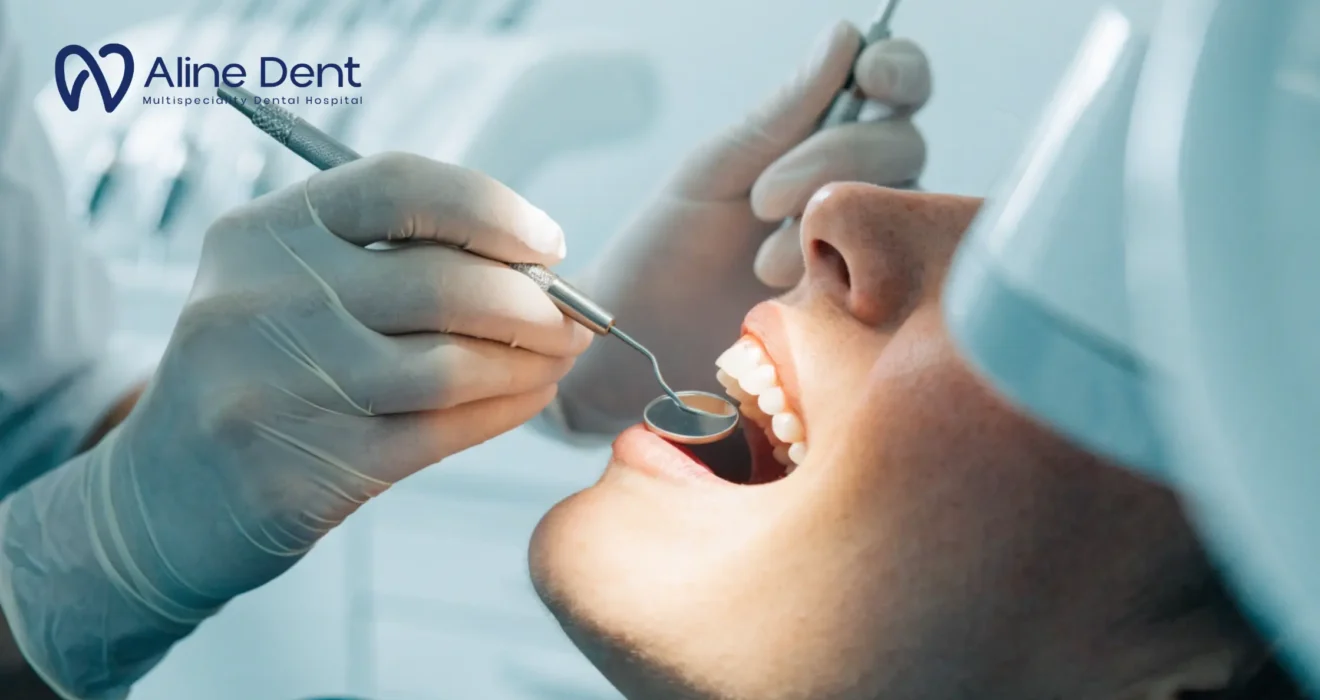
A professional dental cleaning generally involves examining the teeth and gums, removing plaque and hardened calculus or tartar, and polishing the tooth surfaces. Depending on the condition of the teeth and gums, the dentist may recommend routine scaling or a more extensive form of periodontal cleaning.
Plaque is a soft bacterial layer that forms naturally on the teeth as part of everyday oral activity. If it is not removed adequately, it can harden into calculus, commonly known as tartar. Unlike ordinary plaque, tartar cannot be completely removed with a toothbrush at home.
During professional dental scaling, specialised dental instruments are used to remove these hardened deposits from the tooth surfaces and areas around the gums. Polishing may then be performed to smooth the surfaces and remove certain external stains.
The purpose is not to remove any part of the healthy tooth. The goal is to remove deposits that are attached to the tooth and contribute to plaque accumulation and gum inflammation.
Can Dental Cleaning Damage Teeth?
For most people, routine professional dental cleaning does not damage healthy teeth or remove healthy enamel when it is performed correctly.
A common misconception is that the instruments used during scaling scrape away the enamel along with tartar. Professional scaling instruments are designed to remove deposits from the tooth surface rather than intentionally remove healthy tooth structure.
The bigger concern is often what happens when large amounts of tartar have been covering the teeth for a long time. Once the tartar is removed, the underlying tooth surfaces may feel different. Some people may mistake this change for damage caused by the cleaning.
Dental cleaning itself is intended to support oral health by reducing plaque and calculus accumulation and making it easier to maintain clean teeth at home.
Can Teeth Cleaning Damage Enamel?
One of the most common questions patients ask is whether teeth cleaning can damage enamel.
Healthy enamel is the hard outer layer of the tooth. Routine scaling does not normally remove healthy enamel when appropriate instruments and techniques are used. The purpose of scaling is to remove deposits sitting on or around the tooth rather than to reshape the tooth.
However, dental cleaning is not the same as aggressive scraping performed outside a professional setting. Trying to remove tartar at home with sharp objects or abrasive materials can potentially injure the gums and damage the tooth surface.
This is one reason professional tartar removal and enamel care should be handled by a qualified dental professional.
Does Dental Cleaning Weaken Teeth?
Another concern is whether dental cleaning weaken teeth after repeated scaling.
Professional cleaning does not normally make healthy teeth weaker. In fact, leaving tartar undisturbed can create a more significant oral health problem. Hardened deposits can contribute to gum inflammation and periodontal disease, which may eventually affect the tissues and bone supporting the teeth.
If a person notices that the teeth feel different after cleaning, it does not necessarily mean the teeth have become weaker. The sensation may be related to the removal of thick deposits, temporary sensitivity, gum changes, or previously existing dental problems that were hidden beneath tartar.
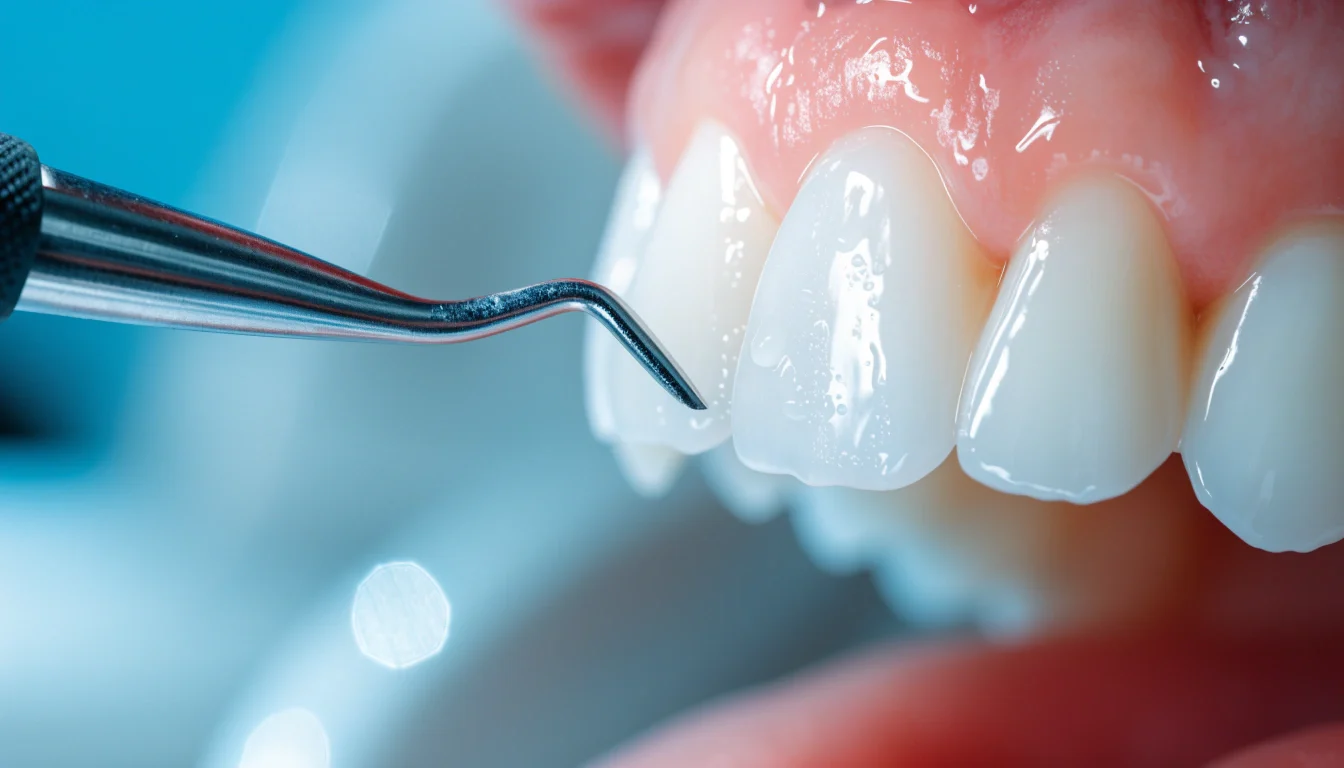
Regular cleaning, combined with good daily oral hygiene, can make it easier to identify and manage dental problems before they become more complicated.
Why Do Teeth Feel Sensitive After Cleaning?
Tooth sensitivity after scaling is relatively common, particularly when there has been substantial tartar accumulation or gum inflammation.
You may notice sensitivity when drinking:
- Cold water
- Hot beverages
- Ice-cold drinks
- Sweet foods
- Acidic foods
This sensitivity can happen because cleaning removes deposits that have been covering parts of the tooth surface. If the gums have receded or the tooth roots are exposed, those areas can be more sensitive because they do not have the same enamel protection as the crown of the tooth.
In many cases, sensitivity following professional cleaning is temporary and gradually settles.
However, persistent or severe sensitivity should not simply be assumed to be a normal result of cleaning. A dentist may need to check for issues such as gum recession, tooth decay, cracks, worn enamel, or other causes of sensitivity.
Can Scaling Remove Enamel?
Does scaling remove enamel? Properly performed dental scaling is intended to remove plaque and calculus rather than healthy enamel.
Modern dental cleaning techniques use instruments suited to different types of deposits and tooth surfaces. The dentist or dental hygienist works around the teeth and gumline to remove hardened buildup.
It is important to distinguish professional scaling from attempting tartar removal from teeth at home. Scraping teeth with pins, metal objects, fingernails, or other sharp tools can cause unnecessary injury.
If tartar has hardened, professional removal is the safer approach.
Why Do Teeth Look Different After Dental Cleaning?
Some people look in the mirror after cleaning and feel that their teeth appear thinner, longer, or more separated. This can be alarming.
Usually, the change is related to the removal of tartar and changes in the appearance of inflamed gums rather than the teeth being damaged.
For example, thick tartar can accumulate between teeth and along the gumline. Once the deposits are removed, the natural contours of the teeth become visible again. Spaces that were previously filled with tartar may suddenly become noticeable.
This can create the impression of gaps between teeth after cleaning, even though the cleaning did not create those spaces.
Similarly, teeth may appear slightly longer if swollen gums become less inflamed after treatment.
Can Tartar Removal Damage Teeth?
Tartar itself is a hardened accumulation of mineralised plaque. It can provide a rough surface where additional plaque can accumulate, making oral hygiene more difficult.
Tartar removal does not usually cause damage to healthy teeth. Instead, calculus removal from teeth is an important part of managing plaque buildup and maintaining gum health.
If significant tartar has been present for years, however, the gums and supporting structures may already have been affected. In such situations, the condition of the teeth after cleaning may reveal problems that were previously hidden by deposits.
That is different from saying that the cleaning caused the problem.
Can Dental Cleaning Cause Gum Bleeding?
Mild gum bleeding after dental cleaning can occur, particularly in people who already have inflamed or sensitive gums.
If plaque and tartar have accumulated around the gumline, the surrounding tissues may become inflamed. Cleaning these areas can result in some temporary bleeding.
Healthy gums generally should not bleed regularly during brushing or flossing. Therefore, frequent bleeding should not simply be ignored.
A dentist can assess whether the bleeding is associated with plaque-related gum inflammation, periodontal disease, trauma from brushing, or another underlying issue.
What About Loose Teeth After Dental Cleaning?
Some people notice that a tooth feels slightly mobile after significant tartar has been removed. This can lead to the question: can dental cleaning make teeth loose?
Regular teeth cleaning does not usually loosen teeth that are healthy and properly supported.
However, heavy tartar buildup can sometimes give a false sense of stability around teeth affected by underlying gum and bone loss. Once the hardened deposits are removed, existing mobility may become more noticeable.
If a tooth feels genuinely loose after cleaning, particularly if it was already mobile, a dental examination is important.A dental evaluation can help examine the supporting gums and bone and determine if periodontal disease or another condition is affecting them.
What Is Deep Teeth Cleaning?
Routine dental cleaning and deep teeth cleaning are two different procedures. A standard professional cleaning mainly targets plaque and tartar buildup on the visible surfaces of the teeth and along the gumline.
When periodontal disease has caused deposits to develop deeper around the teeth, a dentist may recommend a procedure such as scaling and root planing. This involves cleaning areas below the gumline and addressing deposits associated with periodontal pockets.
The right treatment depends on the health of the gums and the condition of the supporting tissues. Not everyone requires deep cleaning.
Can Dental Cleaning Cause Rough Teeth?
Some patients describe their teeth as feeling rough or unusual immediately after scaling.
This can happen because the tongue is suddenly detecting tooth surfaces that were previously covered by plaque or tartar. Polishing is often used after scaling to smooth the tooth surfaces and remove certain external stains.
If roughness continues or there is a specific tooth that feels sharp or irregular, it is worth mentioning it to the dentist. A persistent rough area may have another cause, such as a chipped tooth, worn restoration, calculus that remains, or an irregular tooth surface.
Is Dental Cleaning Safe for Sensitive Teeth?
People with naturally sensitive teeth can still benefit from professional cleaning. However, they may experience more noticeable discomfort during or after the procedure.
The dentist can take the existing sensitivity into account and adjust the cleaning approach where appropriate. If sensitivity is caused by gum recession, exposed dentin, enamel wear, cavities, or another dental condition, treating the underlying cause may also be necessary.
Avoiding professional cleaning solely because the teeth are sensitive can allow plaque and tartar to continue accumulating.
How Often Should You Get Your Teeth Cleaned?
There is no one-size-fits-all schedule for dental cleaning that works for everyone.
Some people may maintain good oral hygiene and require routine professional cleaning at intervals recommended by their dentist. Others, particularly those with gum disease, heavy tartar buildup, orthodontic appliances, smoking habits, or certain oral health conditions, may require more frequent monitoring and cleaning.
The right frequency depends on factors such as:
- Plaque and tartar buildup
- Gum health
- History of periodontal disease
- Brushing and flossing habits
- Smoking or tobacco use
- Orthodontic treatment
- Existing dental restorations
- Individual risk of dental disease
Rather than following a fixed schedule based solely on what someone else does, discuss your cleaning frequency with your dentist.
What Are the Benefits of Professional Teeth Cleaning?
The main purpose of professional cleaning is to remove deposits that cannot be adequately managed with ordinary brushing and flossing alone.
Potential benefits include:
- Removing hardened tartar
- Reducing plaque accumulation
- Supporting healthier gums
- Helping control gum inflammation
- Removing certain external stains
- Making tooth surfaces easier to keep clean
- Supporting regular monitoring of oral health
- Helping identify dental problems at an earlier stage
Professional dental cleaning should support, rather than replace, regular brushing and interdental cleaning.
What Should You Do After Dental Cleaning?
Following a cleaning, your teeth and gums may feel slightly different for a short period. Your dentist may provide specific instructions depending on the condition of your teeth and gums.
General dental cleaning aftercare may include:
- Continue brushing gently with a soft-bristled toothbrush.
- Clean between the teeth regularly.
- Follow any sensitivity recommendations provided by your dentist.
- Avoid very hot or cold foods temporarily if your teeth are sensitive.
- Maintain regular dental check-ups.
- Follow any specific instructions given after deep cleaning or periodontal treatment.
If sensitivity, pain, swelling, or bleeding is severe or does not improve, contact your dentist rather than assuming it is a normal reaction.
Can You Remove Tartar at Home?
Plaque can be managed at home through proper brushing and interdental cleaning, but hardened tartar cannot be safely removed in the same way.
Trying to scrape tartar away with household objects can injure the gums, scratch tooth surfaces, or cause unnecessary trauma.
A better approach is prevention: brush twice a day, clean between the teeth, maintain regular dental visits, and have professional plaque and tartar removal when recommended.
Professional Teeth Cleaning at Aline Dent
At Aline Dent Multispeciality Dental Hospital, professional dental cleaning is approached as part of maintaining long-term oral and gum health rather than simply making the teeth look cleaner.
A professional dental assessment helps evaluate plaque and tartar accumulation and establish whether routine scaling will be sufficient or additional periodontal care is necessary. Professional cleaning can also provide an opportunity to identify gum inflammation, sensitivity, deposits around restorations, and other concerns that may not be obvious during everyday brushing.
For patients who are worried about enamel damage, sensitivity, bleeding, or discomfort, discussing these concerns before the procedure allows the dental team to plan the cleaning according to the condition of the teeth and gums. Proper teeth scaling and polishing, combined with consistent home care, can help maintain cleaner teeth and healthier gums over time.
When Should You See a Dentist After Dental Cleaning?
Temporary sensitivity or mild gum tenderness can occur after cleaning, but certain symptoms deserve professional attention.
Contact your dentist if you experience:
- Severe or persistent tooth pain
- Significant swelling
- Heavy or prolonged bleeding
- A tooth that feels genuinely loose
- Severe sensitivity that does not settle
- Pain when biting
- A sharp or damaged-feeling tooth surface
- Symptoms that continue or worsen after the procedure
These symptoms may not necessarily be caused by the cleaning itself and may indicate an underlying dental problem that requires assessment.
Final Takeaway
So, can dental cleaning damage teeth? For healthy teeth, properly performed professional cleaning is not expected to damage the enamel or weaken the teeth.The procedure helps remove plaque and hardened tartar that may lead to gum problems and make regular oral hygiene more challenging.
Temporary sensitivity, mild bleeding, or the appearance of spaces after tartar removal can sometimes occur, especially when there has been significant buildup or existing gum inflammation. These changes do not necessarily indicate that the teeth have been damaged during cleaning.
Maintaining good brushing and interdental cleaning habits, attending dental check-ups, and having professional cleaning when recommended can help keep plaque and tartar under control while supporting long-term oral health.
Frequently Asked Questions
Can dental cleaning damage teeth?
Professional dental cleaning does not normally damage healthy teeth or enamel when performed appropriately. Dental scaling is intended to remove plaque and hardened tartar without affecting healthy tooth structure.
Can dental cleaning damage enamel?
Routine professional cleaning does not aim to damage or remove healthy enamel. Proper scaling focuses on eliminating plaque, calculus, and deposits that build up on the tooth surface and around the gums.
Does dental cleaning weaken teeth?
Dental cleaning does not typically weaken healthy teeth. If your teeth feel different after significant tartar buildup is removed, it may be due to the removal of deposits or an existing gum or dental issue.
Why are my teeth sensitive after cleaning?
Temporary sensitivity can occur after scaling, particularly when there has been significant tartar buildup, gum inflammation, gum recession, or exposed tooth surfaces. Persistent tooth sensitivity should be assessed by a dentist.
Can scaling create gaps between teeth?
Dental scaling does not usually create new gaps between healthy teeth. However, spaces may appear more noticeable once tartar that had built up between the teeth is removed.
Can tartar removal make teeth loose?
Professional tartar removal does not typically cause healthy teeth to become loose. If a tooth feels mobile after thick tartar deposits are removed, the gums and supporting bone should be examined for any underlying dental condition.
Is dental cleaning safe?
For most people, professional dental cleaning is a routine and safe procedure when performed appropriately. The dentist can modify the approach based on gum health, sensitivity, restorations, and other individual factors.
How often should you get your teeth cleaned?
The appropriate frequency depends on your oral health, tartar buildup, gum condition, and individual risk factors. Your dentist can recommend a cleaning interval suited to your needs.