
Why Do My Teeth Hurt When I Drink Cold Water?
Taking a refreshing sip of cold water should feel comfortable, especially on a hot day. But if that first sip causes a sudden, sharp pain in your teeth, even an everyday habit can become unpleasant. Some people experience a brief electric-like sensation that disappears almost immediately, while others notice pain in one particular tooth that continues even after they stop drinking.
If this sounds familiar, you may be dealing with tooth sensitivity. However, “why do my teeth hurt when I drink cold water” is not a question with just one answer. Sometimes, the discomfort occurs because the protective enamel has worn down or the gums have receded, exposing the sensitive layer underneath. In other cases, cold sensitivity may be an early warning sign of tooth decay, a crack, or inflammation inside a tooth.
The difference matters because not every sensitive tooth needs the same treatment. A sensitivity toothpaste may help with certain types of discomfort, but it will not repair a cavity or treat an inflamed dental pulp. Understanding what triggers the pain, where it occurs, and how long it lasts can help you recognise when home care may be enough and when a dental examination is necessary.
Why Do My Teeth Hurt When I Drink Cold Water?
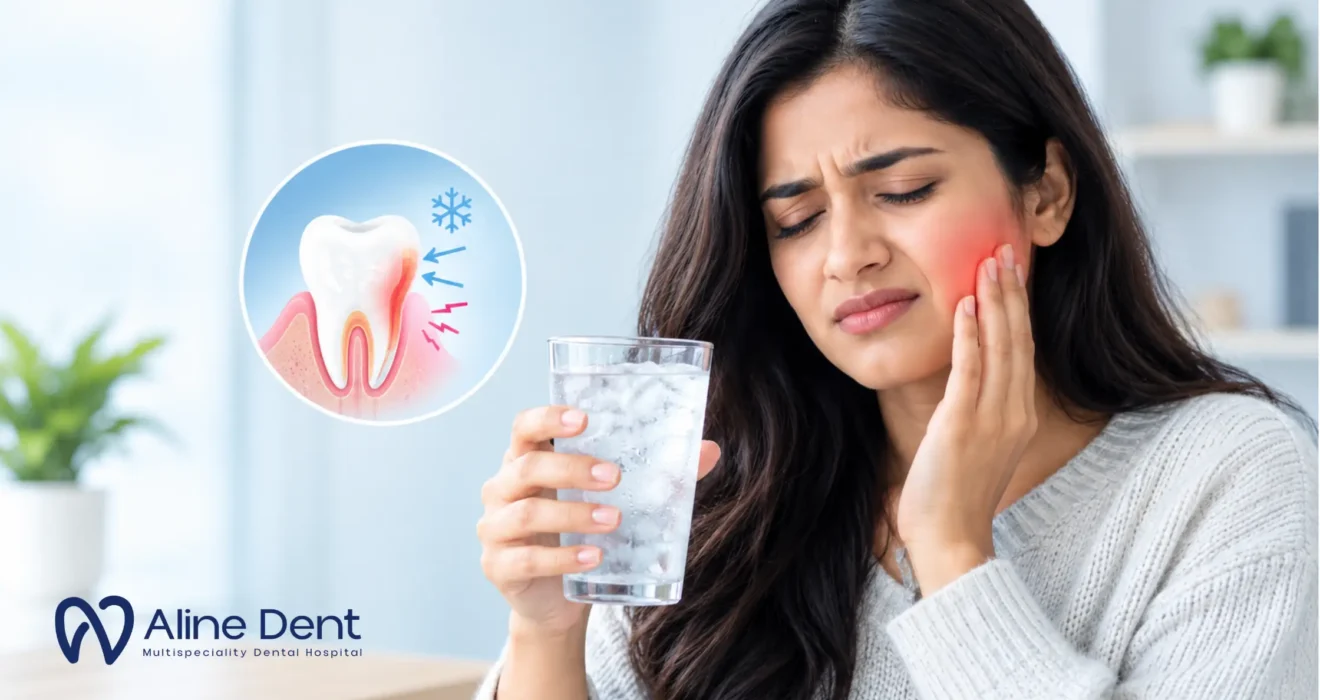
The outer surface of a tooth is protected by enamel, a hard layer that shields the underlying dentin. Dentin contains thousands of microscopic channels called dentinal tubules, which connect towards the inner part of the tooth. When dentin becomes exposed, changes in temperature can trigger a painful response.
Cold water may stimulate these exposed areas, producing a sudden, sharp sensation. This is commonly known as dentin hypersensitivity.
Several conditions can expose dentin or make the inner tissues of a tooth more sensitive. These include enamel erosion, gum recession, aggressive brushing, teeth grinding, cavities, and cracked teeth.
If several teeth react briefly to cold water, generalised sensitivity may be responsible. If the pain is concentrated in one tooth, particularly if it is new or worsening, a local problem such as decay or a crack should also be considered.
The duration of the pain is an important clue. A brief sensation that stops quickly may be consistent with ordinary dentin sensitivity. Pain that lingers after the cold stimulus is removed, becomes severe, or occurs without an obvious trigger deserves prompt dental assessment. Symptoms alone cannot confirm the diagnosis, so an examination may be needed to identify the actual cause.
Common Causes of Tooth Sensitivity to Cold Water
1. Worn or weakened tooth enamel
Enamel protects the crown of each tooth, but it can gradually wear down through several processes. Acid erosion, excessive brushing pressure, and tooth grinding can contribute to the loss of protective tooth structure.
When enamel becomes thinner, the dentin underneath may be less effectively insulated from temperature changes. This can make cold water feel uncomfortable even when there is no obvious cavity.
Acidic drinks and foods, including soft drinks, citrus juices, and frequent exposure to other acidic products, can contribute to enamel erosion over time. Brushing aggressively immediately after consuming acidic foods or drinks may add to the wear.
Once tooth enamel is damaged or lost, it cannot regenerate naturally. Treatment focuses on preventing further damage, protecting the remaining tooth structure, and managing any sensitivity.
2. Gum recession and exposed tooth roots
Your tooth roots are not covered by the same thick enamel layer that protects the crowns. The roots of the teeth are covered by protective tissues, including cementum, and are usually shielded by the surrounding gums.
When the gums recede, portions of the root surface become exposed. These areas can be particularly sensitive to cold water because the underlying dentin may become accessible to temperature changes.
Gum recession can develop for several reasons, including aggressive brushing, periodontal disease, and individual differences in gum tissue.
You may notice sensitivity near the gumline, teeth that appear longer than before, or small notches where the teeth meet the gums. These changes should be evaluated by a dentist, especially if there is bleeding, swelling, or progressive recession.
3. Tooth decay or cavities
Tooth decay is another important reason for cold water tooth pain. A cavity may not produce any noticeable symptoms during its early stages.
As decay progresses into deeper tooth layers, the tooth may become increasingly sensitive to cold, sweet, or hot foods and drinks.
Pain caused by a cavity may initially be brief, making it easy to dismiss as ordinary sensitivity. As the problem advances, the discomfort may become more frequent or linger after the trigger has disappeared.
A sensitivity toothpaste may temporarily reduce certain sensations, but it cannot remove decay or restore the damaged part of the tooth.
If one tooth consistently hurts when you drink cold water, particularly if you also experience pain while eating sweets or chewing, arrange a dental examination rather than relying on home remedies.
4. A cracked or chipped tooth
Small cracks can be difficult to see without a dental examination. A tooth may look normal from the outside but still react painfully to temperature changes or biting pressure.
Cold sensitivity associated with a cracked tooth may affect one specific area. Some people may feel a sharp pain when biting down or releasing their bite.
Cracks can develop from biting hard foods, an injury, repeated stress, or other factors that weaken the tooth. Grinding and clenching may contribute to the problem.
Avoid chewing hard foods on the affected side if you suspect a crack. Prompt assessment is essential, as the right treatment depends on the damage’s location, depth, and severity.
5. Teeth grinding and clenching
Teeth grinding (bruxism) can cause recurring pressure on the teeth over time. Over time, this may wear down enamel, contribute to cracks, and increase the risk of sensitivity.
People who grind their teeth during sleep may not realise they are doing it.Signs of teeth grinding may include flattened teeth, jaw discomfort upon waking, frequent headaches, or heightened sensitivity.
A dental examination can help identify signs of grinding and determine the appropriate course of action. Depending on the severity, a dentist may recommend a night guard to reduce further tooth wear.
6. Recent dental treatment
Some people notice cold sensitivity after procedures such as fillings, crowns, professional cleaning, or teeth whitening.
After a filling, a tooth may need some time to settle, depending on the depth of the cavity and the treatment performed. Whitening products can also cause temporary sensitivity in some people.
However, new tooth sensitivity should not always be considered normal. If it is severe, worsens, persists longer than the dentist advised, or is accompanied by pain when biting, contact the treating dentist for an assessment.
7. Inflammation inside the tooth
Inside each tooth is a soft tissue called the dental pulp, which contains nerves and blood vessels. When the pulp becomes inflamed, the tooth may react more intensely to temperature changes.
Deep cavities, cracks in the teeth, injuries, or similar damage can cause inflammation inside the tooth. Occasionally, the discomfort triggered by cold water lasts for some time after the exposure ends. The tooth may also hurt spontaneously or cause discomfort that interferes with sleep.
These symptoms can indicate a more serious problem than ordinary sensitivity. A dentist may perform clinical tests and take dental X-rays when appropriate to determine whether the pulp is healthy, inflamed, or infected.
Depending on the diagnosis, treatment may involve a filling, a crown, root canal treatment, or another procedure. Not every case of cold sensitivity requires a root canal.
Why Does One Tooth Hurt When I Drink Cold Water?
When only one tooth reacts to cold water, it is worth paying attention to the location and nature of the discomfort.
A single sensitive tooth may have:
- A cavity that has progressed into the dentin
- A crack or chipped area
- A damaged filling or an issue with another dental restoration.
- Localised gum recession
- Inflammation inside the tooth
- Sensitivity following a recent dental procedure
If the pain keeps occurring in the same tooth, do not assume it is just a case of tooth sensitivity. A dentist can examine the tooth, test its response to cold, check the bite, and use imaging if needed.
This is especially important when the pain is getting worse, lasts after the cold water is removed, or occurs alongside swelling or spontaneous toothache.
Why Do All My Teeth Hurt When I Drink Cold Water?
When several teeth react to cold water, the cause may be more generalised rather than limited to one damaged tooth.
Possible explanations include enamel erosion, gum recession affecting multiple teeth, aggressive brushing, tooth grinding, or recent whitening treatment. Some people also experience temporary sensitivity after professional cleaning.
Look for patterns in your daily routine. Frequent acidic drinks, abrasive whitening products, forceful brushing, and clenching may contribute to sensitivity over time.
If multiple teeth are affected, a dentist can check whether the enamel and gumline show signs of wear or whether another oral health condition may be responsible. Sensitivity affecting many teeth should not be ignored if it is persistent or progressively worsening.
How Can I Stop My Teeth From Hurting When Drinking Cold Water?
The most effective solution depends on the underlying cause. If the discomfort is related to exposed dentin, certain home-care changes can help. If the pain is caused by decay, a crack, or inflammation inside the tooth, professional treatment may be necessary.
Use toothpaste for sensitive teeth
A desensitising toothpaste may help reduce discomfort by limiting the transmission of pain signals or reducing sensitivity in exposed dentin. Products containing ingredients such as potassium nitrate or certain stannous fluoride formulations may be useful.
Use the toothpaste according to its directions and allow time for the effects to develop. If the sensitivity is caused by a cavity or another underlying problem, the toothpaste will not resolve that cause.
Choose a soft-bristled toothbrush
A soft-bristled toothbrush can help reduce unnecessary abrasion around the teeth and gums. Brush gently using controlled movements instead of scrubbing forcefully from side to side.
Applying more pressure does not necessarily clean teeth better. In fact, aggressive brushing can contribute to gum recession and wear near the gumline.
Reduce frequent exposure to acidic foods and drinks
Acidic beverages and foods can cause temporary softening of the tooth enamel. Frequent exposure gives the teeth less time to recover between acid attacks.
Avoid drinking acidic beverages frequently throughout the day. Rinse with plain water after consuming them, and avoid brushing immediately afterwards. Waiting around 30–60 minutes before brushing is a commonly recommended precaution after significant acid exposure.
Avoid excessive whitening products
Whitening strips, bleaching gels, and other peroxide-based products may temporarily increase sensitivity. If your teeth already hurt when drinking cold water, pause whitening until the cause is understood.
If you want a brighter smile, ask a dentist whether whitening is appropriate for your teeth and gums.
Protect your teeth from grinding
People who clench or grind their teeth should discuss the habit with their dentist, who may suggest a professionally fitted night guard to minimise damage caused by excessive forces.
Avoid using unverified jaw-training or bite devices to manage sensitivity.
Avoid repeatedly testing the painful tooth
Continuously drinking ice water to check whether the tooth still hurts can aggravate discomfort. Use water at a comfortable temperature and arrange a dental assessment if the symptoms persist.
What Treatments Can a Dentist Provide for Sensitive Teeth?
There is no one-size-fits-all treatment for tooth sensitivity. The dentist must first identify the underlying cause of the discomfort.
Depending on the findings, treatment may include:
Desensitising agents: Professional products may help reduce sensitivity when exposed dentin is responsible.
Fluoride treatment: Fluoride varnishes or other suitable products may help protect the tooth surface and reduce sensitivity in certain cases.
Dental bonding or restorative materials: If sensitivity is related to exposed root surfaces or localised tooth damage, a suitable material may be used to cover and protect the affected area.
Treatment for tooth decay: A cavity may require a filling or a more extensive restoration, depending on how much tooth structure is affected.
Treatment for a cracked tooth:Depending on the depth and severity of the crack, treatment may involve restoring the tooth or taking other measures to protect it.
Root canal treatment: If the pulp is irreversibly inflamed or infected, root canal treatment may be recommended to address the affected tissue and preserve the tooth when possible.
Treatment should be guided by a professional diagnosis rather than the assumption that all teeth sensitive to cold require the same procedure.
When Should You See a Dentist for Cold Water Tooth Pain?
Occasional, brief sensitivity may improve with appropriate home care, but recurring tooth pain deserves attention. Early assessment can help identify the cause before the problem becomes more complicated.
Arrange a dental appointment if:
- The same tooth hurts repeatedly whenever you drink cold water.
- Sensitivity is new, persistent, or getting worse.
- Pain continues after the cold stimulus has been removed.
- You also experience pain when biting or chewing.
- A tooth appears cracked, chipped, or damaged.
- You have visible cavities or a damaged filling.
- Sensitivity is interfering with eating or drinking.
Severe or unexplained tooth pain, swollen gums or face, fever, and signs of a spreading infection warrant urgent dental evaluation. If the swelling affects your ability to breathe or swallow, seek emergency medical care without delay.
How Aline Dent Can Help With Tooth Sensitivity?
At Aline Dent Multispeciality Dental Hospital, patients experiencing tooth sensitivity can seek a dental evaluation to identify the possible cause of discomfort and discuss appropriate treatment.
When someone reports that their teeth hurt while drinking cold water, the important first step is to distinguish ordinary dentin sensitivity from conditions such as tooth decay, gum recession, enamel erosion, a cracked tooth, or inflammation inside the tooth.
Depending on the findings, the dentist may recommend changes to oral hygiene, desensitising products, fluoride treatment, a filling, or another suitable procedure.If the symptoms suggest a more complicated issue, additional evaluation and suitable treatment may be required.
Aline Dent has clinics in Thalassery and Kuttiyadi, making dental assessment available to patients seeking care at either location. Rather than simply masking the pain, the aim is to understand its cause and protect the long-term health of the affected teeth.
If cold water repeatedly triggers pain, particularly in one tooth or when the discomfort lingers, arranging an examination is a sensible next step.
Final Thoughts
If you often wonder, why do my teeth hurt when I drink cold water, do not ignore the discomfort or assume it is something you must tolerate. Tooth sensitivity may result from exposed dentin, enamel erosion, gum recession, tooth decay, cracks, or inflammation within the tooth.
A brief twinge may have a relatively straightforward explanation, but pain that lingers, becomes severe, or repeatedly affects one tooth can signal a problem that needs treatment. Using a soft-bristled toothbrush, avoiding aggressive brushing, limiting frequent acid exposure, and trying an appropriate sensitivity toothpaste may help in some cases.
Most importantly, persistent cold water tooth pain should be assessed by a dentist. Identifying the cause is the best way to choose the right treatment, reduce discomfort, and protect your teeth over the long term.
Frequently Asked Questions
Why do my teeth hurt when I drink cold water but not hot water?
Cold water may trigger exposed dentin or sensitive dental nerves, while hot water may not produce the same response. This may result from enamel wear, gum recession, or other dental issues. If the pain persists or affects a specific tooth, have it checked by a dentist.
Why does my tooth hurt for a few seconds after drinking cold water?
A short, sharp pain may indicate dentin hypersensitivity, with the discomfort usually subsiding once the cold stimulus is removed. However, recurring sensitivity should still be assessed if it is new, worsening, or affecting your daily activities.
What does it mean if tooth pain lingers after drinking cold water?
Pain that continues after the cold water is gone can indicate inflammation inside the tooth, including possible pulpitis. It does not confirm a diagnosis on its own, but it is a reason to arrange a dental examination promptly.
Can a cavity make teeth sensitive to cold water?
Yes. Tooth decay can expose the dentin and, as it progresses, irritate the pulp inside the tooth. A dentist can determine whether a cavity is responsible and recommend appropriate treatment.
Does sensitive toothpaste fix cold-sensitive teeth?
Desensitizing toothpaste may help relieve pain caused by exposed dentin when used regularly as directed. However, it cannot repair cavities, fix cracks, or treat an infected tooth. Persistent pain should be evaluated by a dental professional.
Can enamel grow back after it wears away?
No. Lost enamel does not regenerate naturally. Fluoride and good oral hygiene can help protect the remaining tooth structure, but established enamel loss may require preventive care or restorative treatment depending on its severity.
Can teeth become sensitive after professional cleaning?
Yes. Some people experience temporary sensitivity after cleaning, particularly if there was significant tartar buildup, gum inflammation, or exposed root surfaces. Persistent, severe, or increasing pain warrants professional assessment rather than being assumed to be a normal part of recovery.
Do I need a root canal if my tooth hurts when I drink cold water?
Not necessarily.Cold sensitivity may occur due to various factors, such as exposed dentin, receding gums, or tooth decay. Root canal treatment is considered when the pulp is irreversibly inflamed or infected, based on the dentist’s examination and findings.