
Can Chewing Gum Really Define Your Jawline? What Dentists Say!
A sharper jawline has become a popular beauty goal, and an increasing number of people are turning to simple at-home techniques in the hope of achieving it. From facial workout videos to recommendations for extra-hard chewing gum, social media is filled with routines promising a more sculpted lower face without surgery, special equipment, or expensive cosmetic treatments. One of the most widely discussed methods involves chewing gum for extended periods to make the jaw muscles more prominent.
The idea sounds reasonable: chewing activates the muscles responsible for moving the jaw, so could exercising those muscles make the jawline more defined? This has encouraged people to experiment with regular gum, specialised facial fitness gum, and other jaw-training products. However, exercising a muscle does not necessarily change the shape of the underlying bone or produce the facial definition shown in online transformations.
Can chewing gum define your jawline, or is the trend based on a misunderstanding of how facial anatomy works? Dentists look beyond the appearance of the jaw to consider muscle function, the temporomandibular joints, bite alignment, and the potential consequences of excessive chewing. Understanding these factors can help you separate realistic expectations from viral claims.
Can Chewing Gum Define Your Jawline?
The short answer is that current evidence does not support the idea that chewing gum can define your jawline or produce a reliable, dramatic improvement in jawline definition.
Chewing gum activates the muscles involved in mastication, particularly the masseter muscles located along the sides of the jaw. Like other muscles, these muscles can respond to repeated activity. However, stronger chewing muscles do not automatically translate into a sharper or more angular jawline.
The visible shape of the lower face depends on several factors, including genetics, the structure of the jawbone and chin, the thickness of facial soft tissues, and the size of the chewing muscles. Body composition and skin changes can also influence how prominent the jawline appears.
A randomised controlled trial published in 2024 examined six months of gum-chewing training in healthy adults. Although the training increased maximum bite force, researchers did not find significant changes in masseter muscle thickness or mandibular shape compared with the control group. This suggests that chewing gum alone is unlikely to produce the dramatic facial changes often promised online.
How Does Chewing Gum Affect Your Jaw Muscles?
To understand whether chewing gum can change your appearance, it helps to know which muscles are involved.
The masseter is one of the main muscles responsible for closing the jaw during chewing. It lies along the side of the lower face and can be felt contracting when you clench your teeth gently. The temporalis muscle, located at the sides of the head, also contributes to jaw movement.
When you chew, these muscles repeatedly contract and relax. Regular chewing therefore provides muscular activity, but the effect depends on the intensity, duration, and frequency of the activity.
Some people assume that chewing tougher gum for longer periods will produce a more sculpted face. However, excessive loading can create muscle fatigue and discomfort without delivering the desired cosmetic outcome.
Even if the masseter muscles become more prominent in some individuals, this may make the lower face appear broader or squarer rather than creating a sharply defined jawline. The outcome varies from person to person.
Does Chewing Gum Help Jawline Definition?
The belief that chewing gum improves jawline definition is based largely on the idea that exercising the masseter muscles will make them larger and more visible.
There is a distinction between muscle activity, muscle growth, and visible facial change. Chewing activates the muscles, but that does not guarantee substantial muscle growth. Even when muscle size changes, the overall appearance of the jaw depends on bone structure and the surrounding facial tissues.
A person with a naturally defined chin and jaw may have a very different appearance from someone with a shorter chin, a different jaw shape, or more soft tissue around the lower face. Chewing gum cannot reliably change these underlying anatomical features.
So, if you are wondering whether chewing gum for jawline definition is worth trying, it is important to keep expectations realistic. Ordinary gum may be enjoyable and useful for certain oral-health purposes, but it should not be treated as a proven facial sculpting technique.
Does Hard Chewing Gum Work Better for a Defined Jawline?
Specialised facial fitness gum is often marketed as being firmer or more resistant than ordinary chewing gum. The idea is that greater resistance creates a more intense workout for the jaw muscles.
However, hard chewing gum is not a proven shortcut to a sharper jawline. Greater resistance can increase the workload on the chewing muscles, but more effort does not necessarily produce a more attractive or defined facial shape.
There are also practical concerns. Prolonged chewing on very firm gum can increase fatigue in the jaw muscles and may aggravate symptoms in people with existing jaw-joint problems. Tough gum marketed for facial training should not be assumed to be safer or more effective simply because it offers greater resistance.
If the aim is to improve facial appearance, it is better to understand the factors contributing to your current jawline rather than relying on a product with unproven cosmetic claims.
What Factors Actually Determine Your Jawline?
Jawline definition is influenced by a combination of anatomical and individual characteristics. Chewing gum affects only a small part of this picture.
1. Genetics and bone structure
The shape and proportions of the mandible, chin, and lower facial skeleton are strongly influenced by genetics and development. These structures establish the basic outline of the lower face.
Chewing gum cannot meaningfully reshape an adult’s jawbone.
2. Masseter muscle size
The masseter muscles contribute to the width and contour of the lower face. Their size varies naturally, and some people have more prominent chewing muscles than others.
Excessive chewing is not an effective or recommended method for cosmetically altering the size of the jaw muscles.
3. Facial fat distribution
The amount and distribution of soft tissue around the cheeks, chin, and neck can affect how visible the jawline appears. This varies with genetics, age, and individual body composition.
There is no reliable way to target fat loss specifically from the jawline by chewing gum or performing jaw exercises.
4. Skin elasticity and ageing
Skin elasticity and the distribution of facial soft tissues change over time. These changes can influence the definition of the lower face independently of the chewing muscles.
5. Bite and jaw alignment
The relationship between the upper and lower teeth, jaw position, and facial proportions can affect the appearance and function of the lower face. Certain bite or skeletal concerns may benefit from professional orthodontic or specialist assessment.
Understanding these factors is more useful than assuming that all jawline concerns can be addressed through repetitive chewing.
Can Chewing Gum Cause Jaw Pain or TMJ Problems?
Chewing gum in moderation is generally tolerated by many people. The concern arises when chewing becomes prolonged, repetitive, or uncomfortable, especially when someone uses hard gum specifically to exercise the jaw.
The temporomandibular joints, commonly called the TMJs, connect the lower jaw to the skull. They work alongside the surrounding muscles to allow the mouth to open, close, and move from side to side.
Excessive chewing can contribute to muscle fatigue, soreness, or discomfort in some people. Research on gum chewing and temporomandibular disorders has reported mixed findings, but some studies suggest that more frequent or prolonged chewing may be associated with increased jaw symptoms.
Be alert to signs such as:
- Pain near the ears or jaw joints
- Tenderness in the cheeks or temples
- Clicking accompanied by pain
- Difficulty opening or closing the mouth
- Jaw stiffness after waking up
- Headaches associated with jaw movement
- Pain while chewing food
If these symptoms occur, stop the jaw-training routine and arrange a dental assessment if they persist or are significant. Continuing to exercise a painful jaw can make the problem harder to manage.
Can Chewing Gum Make Your Face Wider?
This is an important consideration for people following facial fitness trends.
The masseter muscles are positioned along the sides of the jaw. If they become larger, their increased prominence may make the lower face look wider or squarer. However, the degree of change varies, and current evidence does not establish that chewing gum produces a predictable cosmetic transformation.
Someone hoping for a narrow, V-shaped face may therefore find that deliberately trying to enlarge the chewing muscles does not match their desired appearance.
The effect of chewing on facial shape should not be overstated. Everyday gum chewing is unlikely to dramatically change most people’s faces, and excessive chewing is not a dependable way to achieve either a wider or sharper jawline.
What About Mewing and Other Jawline Exercises?
Chewing gum is often discussed alongside mewing, facial yoga, jaw trainers, and other techniques promoted online for improving facial definition.
Mewing generally refers to maintaining a particular tongue posture against the roof of the mouth. Supporters sometimes claim that it can reshape the jaw or create major facial changes. However, there is insufficient evidence that these techniques can reliably remodel an adult’s facial bones or produce the dramatic results frequently shown in online content.
Jaw trainers and resistance devices also place additional demands on the chewing muscles and joints. They should not be assumed to be harmless or effective for cosmetic use.
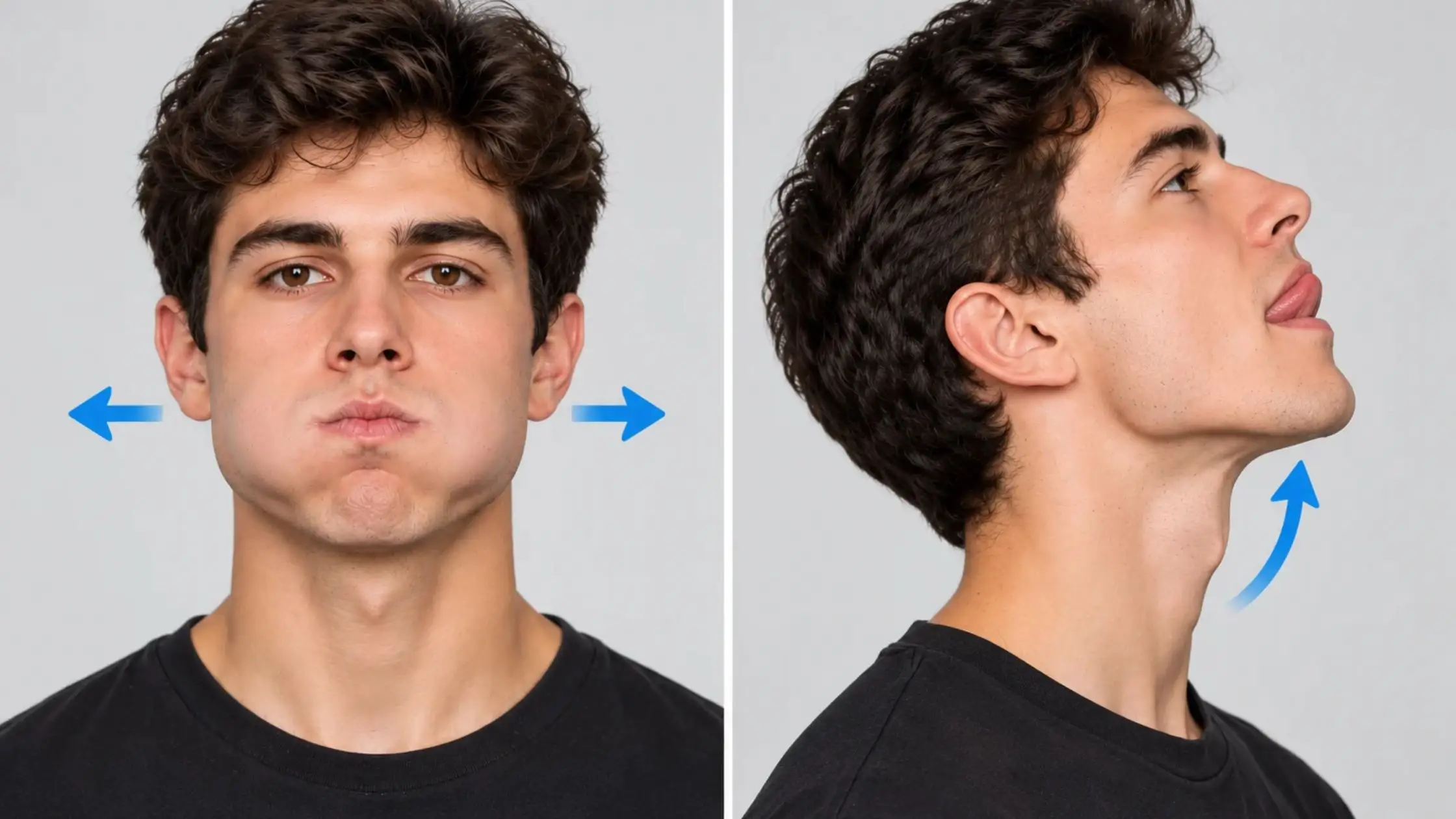
Exercises prescribed by a qualified professional for a specific jaw-function problem are different from unsupervised routines intended to change facial appearance. The purpose, technique, and suitability of treatment matter.
Are There Any Benefits to Chewing Gum?
Although chewing gum for jawline definition is not well supported by evidence, gum can have other uses.
Sugar-free gum sweetened with ingredients such as xylitol may stimulate saliva production. Saliva plays an important role in balancing oral acids and removing leftover food debris. Chewing sugar-free gum after meals may therefore provide an additional benefit for oral health in some circumstances.
However, it does not replace brushing twice daily with fluoride toothpaste, cleaning between the teeth, or regular dental check-ups. It should also not be used excessively in an attempt to strengthen the jaw.
People with jaw-joint pain or other chewing-related symptoms may need to limit gum chewing, even if the gum is sugar-free.
How Can You Improve Jawline Appearance Safely?
If you want a more defined jawline, the right approach depends on what is influencing its appearance. No single exercise or product works for everyone.
Understand your facial structure
Genetics and the underlying bone structure significantly influence the shape of the jaw and chin. Recognising these individual differences can help set realistic expectations and prevent unnecessary or excessive jaw training.
Maintain general health
Maintaining an active lifestyle, getting enough rest, and eating nutritious foods help promote good health. However, no exercise or diet can selectively remove fat from the jawline.
Seek an orthodontic assessment when appropriate
If your concern involves a prominent overbite, underbite, crowded teeth, or an unusual relationship between the upper and lower jaws, an orthodontic evaluation may help clarify whether a bite or alignment issue is present.
Orthodontic treatment works to achieve better tooth alignment and, when indicated, enhance bite function and overall facial balance. It should not be presented as a guaranteed method for achieving a particular cosmetic jawline.
Avoid excessive jaw exercises
Hard gum, jaw trainers, and long chewing sessions can put unnecessary strain on the chewing muscles and joints. Stop any routine that causes pain, clicking with discomfort, or restricted movement.
Discuss persistent concerns with a qualified professional
If your jaw appears uneven, causes discomfort, or functions differently on either side, consulting a dentist or specialist can help determine whether an underlying condition needs attention.
How Can Aline Dent Help With Jawline and Jaw Alignment Concerns?
At Aline Dent Multispeciality Dental Hospital, patients can seek an assessment for dental alignment, bite-related concerns, and certain jaw-function problems. These issues may be relevant when someone is concerned about the relationship between their teeth, jaw position, and lower facial appearance.
An orthodontic assessment can help identify concerns such as an overbite, underbite, crossbite, or misaligned teeth. Depending on the findings, the dentist may discuss suitable orthodontic options, including braces or clear aligners, where appropriate. More complex skeletal or jaw-related concerns may require evaluation by a specialist in oral and maxillofacial surgery.
It is important to distinguish between improving a bite and changing the cosmetic shape of the jaw. Orthodontic treatment can correct specific tooth-position and bite problems, but it does not guarantee a sharper jawline. Similarly, chewing gum is not a substitute for evaluating a structural or functional concern.
If you are experiencing jaw pain, clicking with discomfort, restricted mouth opening, or difficulty chewing, a professional evaluation is more appropriate than attempting to strengthen the jaw with hard gum. The aim is to identify the underlying cause of the concern and recommend treatment according to your dental health and specific needs.
Final Thoughts
So, can chewing gum define your jawline? Although chewing activates the masseter muscles, current research does not support the idea that gum chewing alone can reliably create a sharper jawline or reshape the lower jaw.
The trend may seem like an easy route to a more sculpted face, but harder gum and longer chewing sessions do not guarantee better results. They may instead cause muscle fatigue or aggravate jaw-joint discomfort, particularly in people who already have symptoms.
If your concern relates to jaw alignment, facial proportions, or discomfort while chewing, a professional assessment can help you understand the available options. Focus on protecting your teeth and jaw function rather than following cosmetic trends that promise more than the evidence supports.
Frequently Asked Questions
Can chewing gum define your jawline naturally?
There is insufficient evidence that chewing gum can reliably create a sharper or more defined jawline. It activates the chewing muscles, but facial appearance also depends on genetics, bone structure, and soft-tissue distribution.
How long should you chew gum for jawline definition?
There is no scientifically supported guideline for how long a person should chew to improve jawline definition. Prolonged or forceful chewing may cause fatigue or aggravate jaw symptoms, so extended chewing routines should not be used as a cosmetic treatment.
Does hard gum help build jaw muscles?
Harder gum can increase the effort required to chew, but this does not guarantee meaningful muscle growth or a visible improvement in jawline definition. Excessive resistance may also cause discomfort.
Can chewing gum reduce a double chin?
No. Chewing gum cannot selectively reduce fat under the chin. The appearance of a double chin can be influenced by anatomy, fat distribution, skin, and other factors.
Can chewing gum make your jaw bigger?
Chewing activates the masseter muscles, and muscle enlargement is possible in some circumstances. However, research does not show that gum chewing reliably changes mandibular shape or produces predictable cosmetic enlargement.
Is chewing gum bad for your jaw joints?
Moderate gum chewing is tolerated by many people, but prolonged or excessive chewing can aggravate jaw-muscle fatigue or symptoms in some individuals. People with existing temporomandibular disorders should seek appropriate advice if chewing causes discomfort.
Does chewing gum help with facial symmetry?
There is no good evidence that chewing gum can correct facial asymmetry. Differences in facial appearance may relate to bone structure, muscle size, dental alignment, or other factors and should be assessed individually when they are concerning.
Can braces or clear aligners improve jawline definition?
Braces and clear aligners primarily address tooth alignment and bite problems. Their effect on facial appearance depends on the individual case, and neither treatment guarantees a more defined jawline.