How to Make Gums Strong: Expert Tips for Healthy Gums & Long-Lasting Teeth!
The foundation of a healthy smile lies in strong gums. While most people focus on keeping their teeth healthy and free from cavities, the importance of gum health is often overlooked. In reality, gums play a vital role by holding teeth firmly in place and protecting the underlying bone. Weak or unhealthy gums can lead to bleeding, swelling, bad breath, gum recession, and eventually tooth loss if they do not receive adequate blood flow and essential nutrients.
Other gum problems, such as gingivitis and periodontitis, often develop silently, presenting only mild symptoms that many people tend to ignore. Understanding how to strengthen gums is essential not only for oral health but for overall well-being, as gum disease has been linked to conditions like diabetes and heart disease.
Gums require regular care, just like teeth, and should be treated with equal importance. This guide explains the causes of weak gums, effective solutions, both natural and medical, and professional tips to help build strong, healthy gums that support your teeth throughout your life.
What Are Healthy Gums? Signs of Strong vs Weak Gums
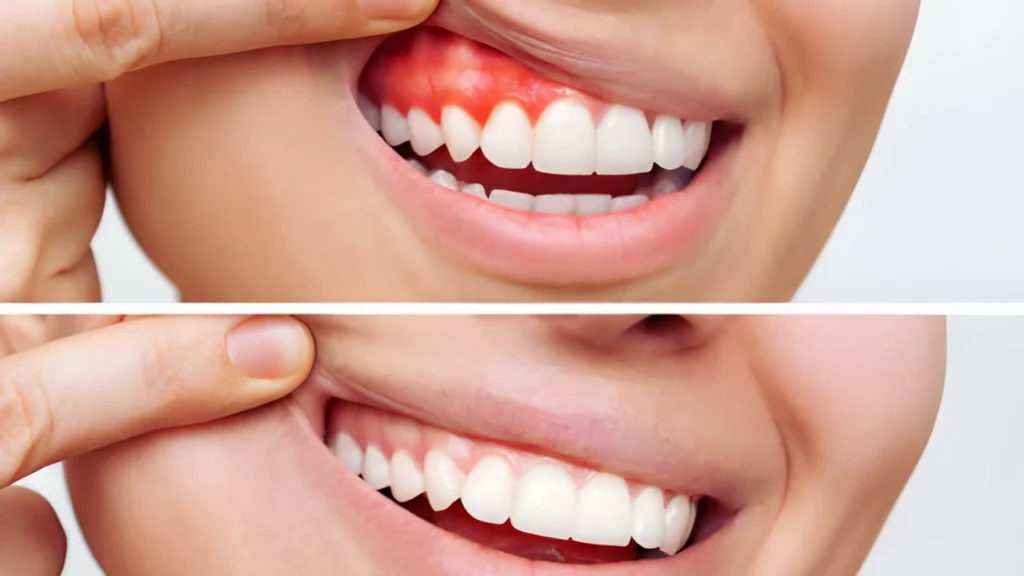
Healthy gums are hard, pale pink in colour and fitted tightly around the teeth. They do not bleed when brushing up or using the floss and are used to make teeth stable and well-supported. The proper gums serve as an innate defence against bacteria, and the infections do not penetrate deeper tissue.
Signs of Healthy, Strong Gums
- Pink, firm texture
- No pain or sensitivity
- No bleeding while brushing or flossing
- Fresh breath
- Teeth feel secure and stable
Signs of Weak or Unhealthy Gums
- Blood on the toothbrush or floss.
- Swollen, red, or tender gums
- Persistent bad breath
- Gum recession (gums are drawn back around teeth)
- In extreme cases, loose teeth.
Early detection is essential. Gum problems tend to develop gradually over time, and if the early symptoms go unnoticed or untreated, recovery can become more difficult. Identifying gum weakness at an early stage makes strengthening the gums easier and more effective, as timely intervention can prevent further complications.
Common Causes of Weak Gums
The key to preventing and treating gum problems lies in identifying the causes of gum weakness.
Poor oral hygiene is one of the main reasons for weak gums. Irregular brushing and flossing allow plaque to build up along the gum line. As plaque accumulates, it eventually turns into tartar that irritates the gums and triggers inflammation.
Vitamin deficiencies, especially vitamin C, vitamin D, and calcium, also play a significant role. These nutrients are essential for tissue repair, bone support, and maintaining a strong immune system.
Smoking and tobacco use reduce blood flow to the gums, slowing the healing process and weakening gum tissues. Hormonal changes during pregnancy, puberty, or menopause can also increase gum sensitivity.
Health conditions such as diabetes weaken immunity, making gums more prone to infection. Prolonged stress further reduces the body’s natural defence mechanisms, increasing the risk of gum problems.
Understanding these causes is essential when learning how to strengthen gums and prevent long-term damage.
How to Make Gums Strong Naturally (Daily Care Habits)
🔸Proper Brushing Technique for Gum Health
Gently brush the teeth with a soft-bristled toothbrush at a 45 angle in relation to the gum line. The plaque is gently polished in round spinning movements without causing harm to the gum tissue. Hard brushing destroys gums and hastens recession.
Brush your teeth at least twice a day and spend a minimum of two minutes on it.
🔸Flossing & Interdental Cleaning
Flossing gets the areas that can not be reached by the toothbrush, particularly beneath the gum line, of debris and scrapes food off. Flossing is highly beneficial to keep the inflammation at less and intact gums in the end.
Water flossers or interdental brushes can be used as a great option for those who have sensitive braces or gums.
🔸Using the Right Mouthwash
Use antibacterial mouthwashes as a way of decreasing harmful bacteria and fluoride rinses to increase enamel strength. Mouthwashes that are alcohol based should be avoided in case of sensitive or dry gums, as they may irritate.
🔸Gum Massage Techniques
Massages on the gums with clean fingers or soft brushes are a way of enhancing blood flow to the gums, healing, and strengthening gum tissues. Antimicrobial effects may be added using natural oils such as coconut oil.
🔸Quit Smoking & Tobacco
Smoking greatly slows the healing of the gums and worsens the infections. One of the most effective methods to enhance gum strength and improve oral health in the long run is to quit tobacco.
These are the best routines for how to make gums strong naturally through regular practices.
Best Foods & Nutrients to Strengthen Gums
Diet plays a powerful role in gum health.
Vitamin C is a vitamin that is found in oranges, lemons, guava, strawberries, bell pepper and is needed to treat gum tissue and to prevent bleeding. Calcium and Vitamin D in milk, yoghurt, cheese and sunlight ensure that the bones surrounding teeth get stronger.
Omega-3 fatty acids are found in fish, flaxseeds, and walnuts and reduce inflammation of the gums. Teeth are naturally cleaned, and gums are stimulated by crunchy foods and vegetables like apples, carrots, and celery.
Refrain from using excessive sugar, sticky food stuff and acidic foods as they encourage the growth of bacteria, and they weaken the gum tissue.
Include such foods for strong gums and ensure quick healing and durability in strength.
Professional Dental Care to Strengthen Gums
Professional dental care is needed to maintain the optimum health of gums, even with excellent home care. Regular examinations of the teeth ensure that gum issues are detected at an early stage before they lead to serious issues.
Scaling and root planing help to clear plaque and tartar under the gums, enabling the gums to heal and reconnect to the teeth. In cases of gingivitis or early gum disease, damage can be fully reversed with the help of professional cleaning.
Deep cleaning procedures are aimed at reducing the origin of infection to avoid additional bone loss. The dentists also evaluate the bite alignment, restorations, and oral habits that can be causes of gum problems.
In case of continuous bleeding, pain, pus being released, or loose teeth, you have to consult an urgent dental professional. Special treatment ensures that the gums are well diagnosed and stable in the long run.
Why Choose Aline Dent for Gum Care & the Best Periodontal Treatment?
Choosing the right dental clinic is essential for successful gum treatment, and Aline Dent offers the best periodontal treatment in Thalassery.
The clinic follows a patient-focused and gentle approach, ensuring that procedures such as scaling, deep cleaning, and periodontal treatments are as comfortable as possible. Advanced equipment enables accurate diagnosis and personalised treatment plans based on each patient’s gum condition.
At Aline Dent, the best dental clinic in Thalassery, we provide individualised gum care plans that strengthen teeth, preserve oral health, and focus on prevention and long-term results. Schedule your gum health appointment at Aline Dent today and take the first step toward healthier, stronger gums.
How Long Does It Take to Strengthen Gums?
Formation of gums takes time, depending on the severity of the case. Mild inflammation of the gum could be cured within 7-14 days with the assistance of appropriate brushing, flossing and professional cleaning.
Mild gum problems can take a number of weeks, and severe cases of periodontal disease demand long-term use and management. Consistency matters- brushing teeth every day and having more dental check-ups are the most effective.
The healing of gum takes a long time, even through perseverance and expert assistance, a person can make considerable progress.
Common Myths About Gum Health
Bleeding gums are normal
Actually, bleeding is a sign of inflammation or disease.
Hard brushing makes gums stronger
It destroys the gum tissue and recedes the gums.
Gum problems affect only older people
They may happen at any age of time
Mouthwash alone is enough
Flossing is necessary.
Correcting these myths will help avoid severe gum injuries and may encourage proper care of the mouth.
Strong gums are required in order to have healthy teeth and be physically able to smile. Learning how to make gums strong involves maintaining proper oral hygiene, following a balanced diet, and visiting the dentist regularly. Avoiding gum health checkups can lead to serious issues, while timely intervention ensures successful long-term results. For professional diagnosis, comprehensive care, and a personalised approach to gum health, book an appointment with Aline Dent and safeguard your oral health for the future.
FAQs
How can I make my gums strong at home?
Always brush your teeth, floss daily, eat well, and visit a dentist regularly.
What vitamin deficiency causes weak gums?
The most widespread cause of weak gums is vitamin C deficiency, low Vitamin D, and low Calcium.
Do bleeding gums mean gum disease?
One of the first symptoms of gingivitis is bleeding.
How long does it take for gums to heal?
Milder cases are cured within 1-2 weeks; severe cases are treated long time.
Is scaling painful for gums?
Scaling can involve no pain, and most scaling is performed with comfort-oriented techniques.
Can gum disease be reversed?
Early phases like gingivitis can be reversed through good treatment.
Is scaling painful for gums?
Scaling can involve no pain, and most scaling is performed with comfort-oriented techniques.
When should I see a dentist for gum problems?
In case of prolonged bleeding, swelling or pain for more than several days.
What is the fastest way to heal a gum infection?
Medicine (on demand) and healthy teeth and brushes taken care of by a medical professional.
How much vitamin C is needed for gum health?
In adults, this is about 75-90mg per day or recommended by a medical practitioner.
How can I tell if my gum is infected?
This is identified by indurations of pain, swelling, pus, bad breath and bleeding.