
Are Tooth Gems Safe? All You Need to Know Before Getting Tooth Jewellery!
Tooth gems have become a popular way to add a little sparkle to your smile. From tiny crystals and diamonds to colourful decorative stones, these small accessories are increasingly appearing on social media and among people looking for a unique way to personalize their appearance. But before attaching anything to your teeth, it is important to understand how it may affect your oral health.
So, are tooth gems safe? The answer depends on several factors, including the condition of your teeth, how the gem is applied, the materials used, how well you maintain your oral hygiene, and how the gem is eventually removed.
Although professionally applied tooth gems may be relatively low-risk in some situations, they are not completely risk-free. Tooth gems can create additional areas where plaque and food debris accumulate, potentially increasing the risk of tooth decay, gum irritation and other oral health problems. The American Dental Association (ADA) currently advises against tooth gems and tooth jewellery because of the potential for adverse oral-health outcomes.
If you are considering tooth jewellery, understanding the potential benefits and risks can help you make an informed decision about your smile.
What Are Tooth Gems?
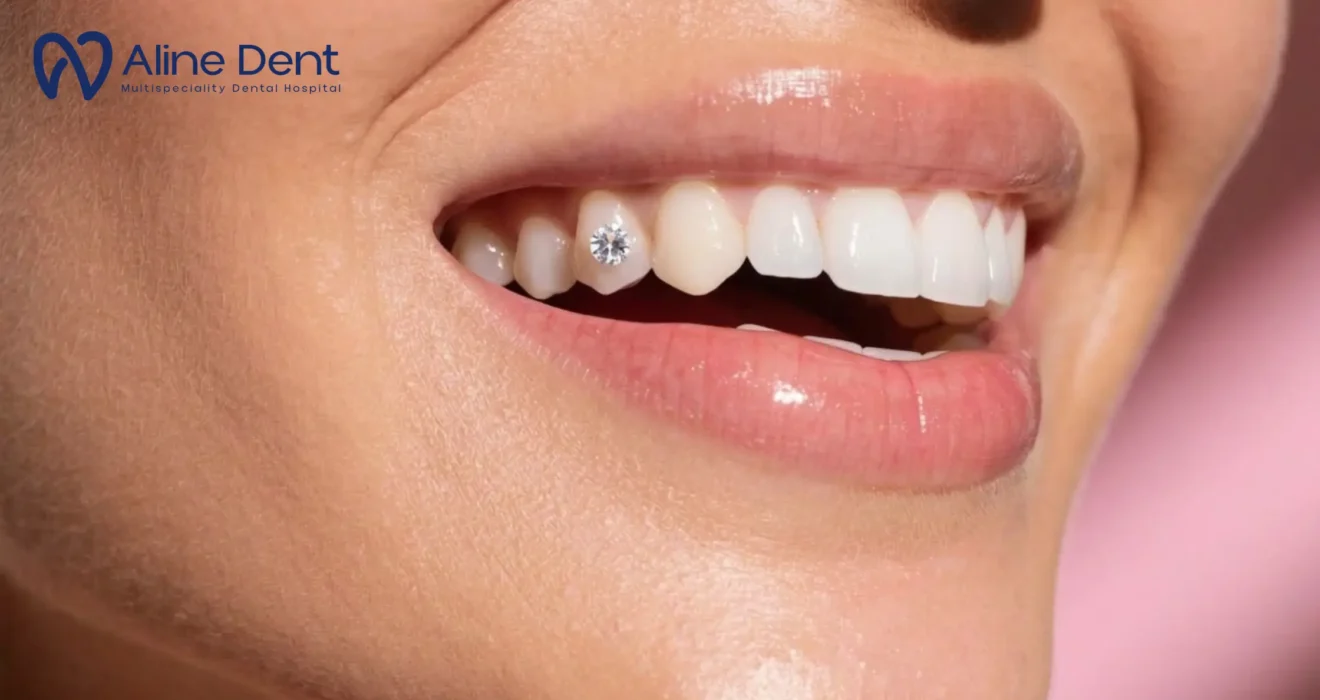
Tooth gems are small decorative crystals, stones or jewellery pieces attached to the visible surface of a tooth using an adhesive or bonding material.
Unlike dental crowns or veneers, tooth gems are generally intended for cosmetic purposes rather than to restore or repair a damaged tooth. The gem is usually bonded to the enamel without drilling into the tooth.
They may also be referred to as:
- Tooth jewellery
- Tooth jewelry
- Dental jewellery
- Dental gems
- Tooth crystals
- Tooth bling
The size, shape, colour and material can vary. Some people choose a small crystal on a front tooth, while others opt for multiple decorative pieces.
Are Tooth Gems Safe?
So, are tooth gems safe?
They can have a relatively low risk of complications when applied appropriately to a healthy tooth by a qualified dental professional, but “low risk” does not mean “risk-free.” Professional dental evaluation is important because not every tooth is suitable for cosmetic bonding.
The Cleveland Clinic notes that professionally applied tooth gems may be relatively safe, but potential problems can still include chipping, discoloration, gum inflammation, tooth decay, cavities and enamel damage.
The ADA takes a more cautious position and advises against tooth gems and tooth jewellery because of the potential for plaque accumulation, dental caries, enamel damage, chipped teeth and periodontal inflammation.
Therefore, if you are thinking about getting one, the most important step is to have your teeth and gums assessed before proceeding.
How Are Tooth Gems Applied?
The application process may vary depending on the type of gem and the professional performing the procedure.
A dentist may generally:
- Examine the tooth and surrounding gums.
- Check for cavities, cracks, enamel problems or existing dental work.
- Clean and prepare the tooth surface.
- Apply an appropriate dental bonding material.
- Position the gem carefully.
- Cure or set the bonding material according to the product’s instructions.
- Check that the gem is securely attached and does not interfere with your bite.
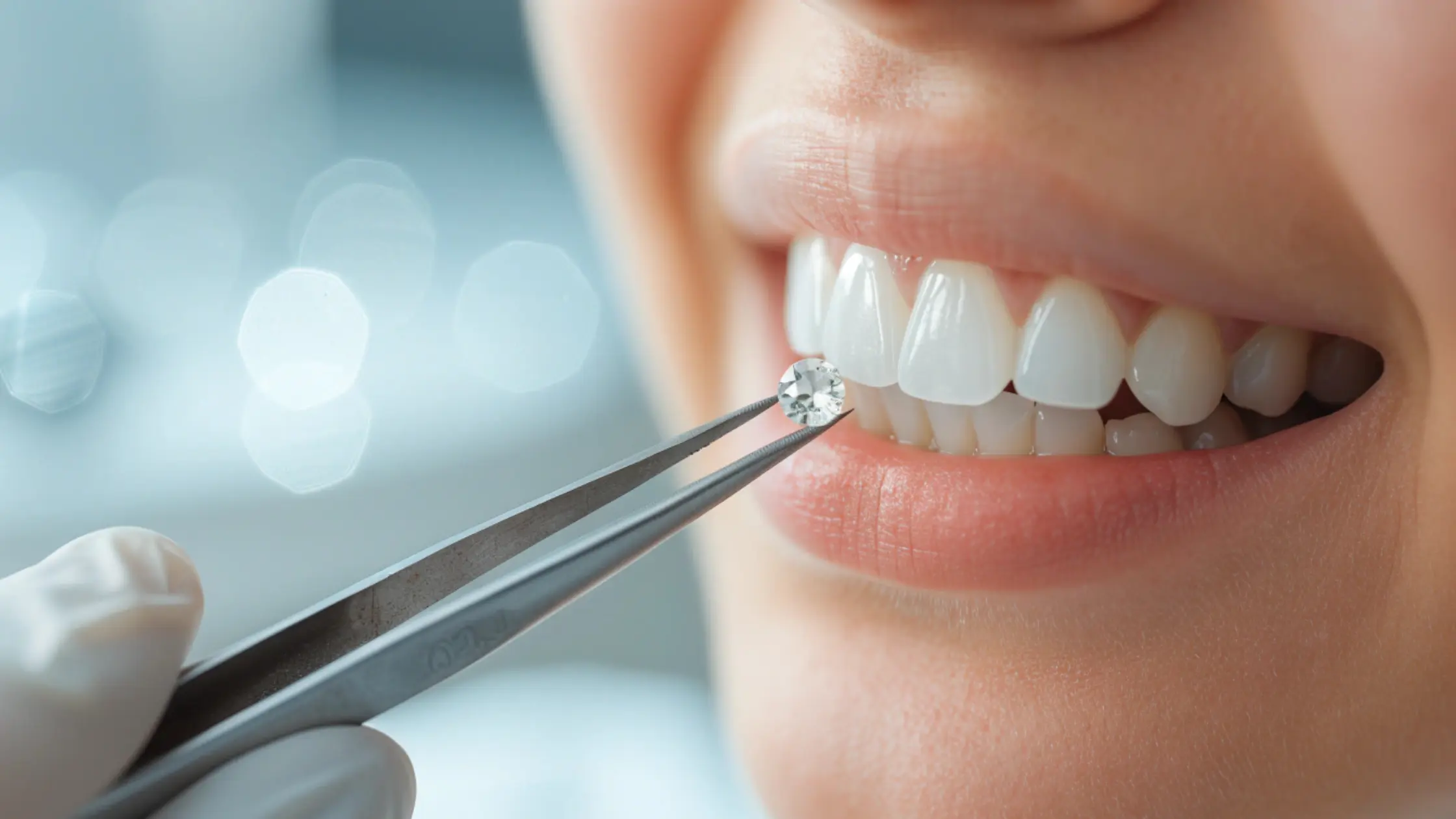
A professionally applied tooth gem generally does not require drilling into an otherwise healthy tooth. Cleveland Clinic describes the process as similar in some respects to bonding an orthodontic bracket to a tooth.
However, the exact technique and materials matter. Using unsuitable adhesives or applying a gem to an unhealthy tooth can increase the risk of complications.
Do Tooth Gems Damage Teeth?
One of the most common questions is: do tooth gems damage teeth?
They can, particularly when they are improperly applied, left in place for a long time without appropriate monitoring, or removed incorrectly.
Potential concerns include:
1. Plaque accumulation
The area around a tooth gem can be more difficult to clean than a smooth tooth surface. Plaque and food debris may accumulate around the edges of the jewellery.
The ADA notes that tooth gems and other oral jewellery can provide areas for plaque accumulation, which may contribute to caries and periodontal problems when oral hygiene is inadequate.
2. Tooth decay and cavities
This is an important consideration when discussing tooth gems and cavities.
If plaque and food particles remain around the gem and are not effectively removed, the surrounding tooth may be exposed to an environment that increases the risk of decay.
This does not mean that every person with a tooth gem will develop a cavity. However, maintaining good oral hygiene becomes particularly important.
3. Enamel damage
Another concern is tooth gems and enamel.
Enamel is the hard outer layer protecting your teeth. Although it is extremely strong, it can be damaged by acids, bacteria, friction and other factors. Once enamel is permanently lost, the body cannot naturally regenerate it.
Improper application or removal of a tooth gem may potentially damage the enamel surface.
4. Chipping or scratching
A poorly positioned or bulky gem may come into contact with an opposing tooth during chewing.
According to dental experts cited by the ADA, tooth gems can potentially chip or scratch opposing teeth.
5. Gum irritation
If a gem is positioned too close to the gumline, it may make cleaning more difficult and contribute to local irritation.
Persistent redness, swelling, bleeding or tenderness around the tooth should not be ignored.
What Are the Tooth Gems Side Effects?
Possible tooth gems side effects can vary depending on the individual and how the jewellery is applied and maintained.
Potential problems include:
- Plaque accumulation
- Food debris becoming trapped
- Tooth discoloration
- Gum irritation
- Increased risk of cavities
- Enamel damage
- Tooth chipping or scratching
- Difficulty maintaining effective oral hygiene
- Irritation of the lips or cheeks
- Problems associated with inappropriate adhesives
- Complications during improper removal
The presence of a tooth gem does not automatically mean that these problems will occur. However, they are important considerations before choosing cosmetic dental jewellery.
What Are the Main Tooth Gem Risks?
The major tooth gem risks are related to the condition of the tooth, application technique, materials, oral hygiene and removal process.
Risk 1: Applying a gem to an unhealthy tooth
A tooth with untreated decay, cracks, enamel defects or other problems may not be suitable for cosmetic jewellery.
Applying a gem without first identifying these issues could make dental care more difficult or allow an existing problem to go unnoticed.
Risk 2: Using inappropriate glue
One of the biggest concerns with DIY tooth gems is the use of adhesives that are not intended for use inside the mouth.
Products designed for crafts, nails or general household use are not interchangeable with dental bonding materials.
Risk 3: Poor oral hygiene
Even a professionally applied gem can make certain areas more challenging to clean.
If brushing and interdental cleaning are neglected, plaque can accumulate around the jewellery.
Risk 4: Incorrect removal
Trying to pull, scrape, file or forcibly break off a tooth gem can damage the tooth surface.
Professional removal allows the dentist to control the process and polish away remaining bonding material when appropriate.
Are DIY Tooth Gems Safe?
DIY tooth gems are not recommended.
DIY tooth gem kits may seem convenient and inexpensive, but they can create several avoidable risks.
The biggest concern is that you may not know whether the tooth is healthy enough to receive the gem or whether the adhesive is appropriate for oral use.
Potential problems with DIY tooth gems include:
- Using unsuitable glue
- Poor bonding
- Contamination
- Difficulty removing excess adhesive
- Increased plaque retention
- Damage to enamel
- Applying jewellery over an existing cavity
- Irritation of the gums or surrounding tissues
- Increased risk of tooth decay
Cleveland Clinic specifically advises against DIY tooth gem kits because of concerns about inappropriate materials, poor adhesion and potential damage or decay.
The ADA also advises people to avoid DIY dental trends because dental products and treatments are not necessarily suitable for every individual.
If you want tooth jewellery, a dental professional can first determine whether your teeth and gums are healthy enough for the procedure.
How Long Do Tooth Gems Last?
How long do tooth gems last? There is no single answer.
A tooth gem may remain attached for several months or, in some cases, considerably longer. Longevity can depend on:
- The type and quality of bonding material
- The size and shape of the gem
- Where it is placed
- Your bite
- Your eating habits
- Oral hygiene
- Individual mouth conditions
- Whether you frequently touch or play with the gem
Cleveland Clinic notes that tooth gems can remain in place for months or even a couple of years in some cases, although longevity varies considerably between individuals.
A tooth gem that becomes loose should not simply be glued back using household or cosmetic adhesive.
Can Tooth Gems Cause Cavities?
The short answer is that tooth gems can contribute to conditions that increase the risk of cavities, particularly if plaque and food debris accumulate around them and oral hygiene is inadequate.
The relationship between tooth gems and cavities is therefore an important consideration.
The gem itself does not “create” a cavity. Dental caries develops through complex interactions involving bacteria, dietary sugars, plaque and the tooth’s susceptibility to decay.
However, anything that makes an area more difficult to clean can potentially contribute to plaque retention.
This is why regular brushing, interdental cleaning and professional dental check-ups remain important.
Do Tooth Gems Damage Enamel?
They can potentially contribute to tooth gems and enamel problems, particularly if they are applied or removed incorrectly.
Healthy enamel is designed to protect the underlying tooth. However, once enamel is damaged or permanently removed, it does not grow back.
One of the concerns with tooth jewellery is therefore not simply whether the gem can be attached, but whether the entire process — including preparation and eventual removal — can be performed without unnecessarily damaging the tooth surface.
How Are Tooth Gems Removed?
Tooth gem removal should be carried out by a dentist to minimize the risk of damaging the tooth, rather than being attempted at home.
Depending on the bonding material and the condition of the tooth, a dentist may use appropriate dental instruments to carefully loosen the gem and remove remaining adhesive.
Cleveland Clinic explains that dentists may remove the gem and polish away remaining bonding material to restore a smooth tooth surface.
Never try to:
- Pull the gem off forcefully
- Scrape it with a sharp object
- File the tooth
- Use household solvents
- Break the gem with tools
- Apply another adhesive to cover a loose gem
These approaches can potentially damage enamel or surrounding tissues.
How Can You Look After Teeth With Tooth Jewellery?
If you already have tooth jewellery, maintaining good oral hygiene is particularly important.
Brush twice a day
Use fluoride toothpaste and a soft-bristled toothbrush to brush twice every day. Pay attention to the area around the gem without aggressively scrubbing it.
Clean between your teeth
Floss or use another suitable interdental cleaner regularly to remove plaque and food particles.
Avoid playing with the gem
Constantly touching, twisting or biting the jewellery may increase the chance of loosening it or irritating surrounding tissues.
Attend regular dental check-ups
A dentist can examine the tooth beneath and around the gem for signs of decay, gum inflammation, enamel damage or other changes.
Don’t ignore symptoms
Seek professional dental advice if you notice:
- Persistent tooth pain
- Increased sensitivity
- Gum swelling
- Bleeding
- Bad taste or unusual discharge
- A loose gem
- A chipped tooth
- Damage to the surrounding tooth
Who Should Avoid Tooth Gems?
Tooth gems may not be appropriate for everyone.
Extra caution is needed if you have:
- Untreated cavities
- Cracked or damaged teeth
- Significant enamel defects
- Active gum disease
- Poor oral hygiene
- Multiple untreated dental problems
- Certain orthodontic appliances or dental restorations
If you wear braces or clear aligners, ask your orthodontist or dentist before considering tooth jewellery. The jewellery could potentially interfere with appliances, bite relationships or treatment depending on its location and design.
Tooth Gems vs Other Cosmetic Dental Treatments
Tooth gems are primarily decorative. They do not straighten teeth, replace missing teeth, repair cavities or improve the underlying health of your smile.
Depending on your concern, a dentist may instead discuss treatments such as:
- Professional teeth whitening
- Dental bonding
- Veneers
- Clear aligners
- Orthodontic treatment
- Dental restorations
The right option depends on your specific dental condition and cosmetic goals.
Are Tooth Gems Worth the Risk?
Whether someone chooses tooth jewellery is ultimately a personal decision, but it should be made with a clear understanding of the potential oral-health concerns.
The ADA currently advises against tooth gems and tooth jewellery because of the potential for negative oral-health outcomes.
For anyone considering the trend, a dental examination before application is an important precaution. A dentist can check whether the proposed tooth is healthy, identify existing problems and explain the potential risks based on your individual oral condition.
Quick Summary
Tooth gems may look like a simple way to add personality to your smile, but they are still placed directly on your teeth and should not be treated like an ordinary fashion accessory.
So, are tooth gems safe? They are not completely risk-free. Potential concerns include plaque buildup, cavities, gum irritation, enamel damage and tooth chipping, particularly when tooth jewellery is applied, maintained or removed incorrectly.
If you are considering tooth gems, have your teeth and gums evaluated by a qualified dental professional first. Avoid DIY adhesives and never try to forcibly remove a gem yourself. Regular dental check-ups and good oral hygiene are also essential for protecting the natural teeth beneath and around the jewellery.
Your smile should always come first — even when you’re adding a little sparkle to it.
Frequently Asked Questions About Tooth Gems
Are tooth gems safe?
They may have relatively low risk when appropriately applied to a healthy tooth by a dental professional, but they are not completely risk-free. Potential concerns include plaque accumulation, cavities, gum irritation, enamel damage and tooth chipping. The ADA advises against tooth gems and tooth jewellery because of potential negative oral-health outcomes.
Do tooth gems damage teeth?
Tooth gems can potentially cause damage, particularly if they are applied or removed incorrectly. Improper removal may damage enamel, while poorly positioned jewellery may contribute to chipping, scratching or irritation.
Can tooth gems cause cavities?
Tooth gems can create additional areas where plaque and food debris may accumulate. This can contribute to an increased risk of tooth decay when oral hygiene is inadequate.
How long do tooth gems last?
They can last anywhere from several months to considerably longer, depending on the bonding material, placement, oral hygiene, bite and individual mouth conditions. There is no guaranteed lifespan.
Are DIY tooth gems safe?
DIY tooth gems are not recommended. The adhesive may not be suitable for oral use, and you may not know whether the tooth is healthy enough for the procedure. Professional dental assessment and application can help reduce avoidable risks.
How are tooth gems removed?
Tooth gems should preferably be removed by a dentist. A dental professional can carefully remove the jewellery and bonding material while minimizing unnecessary damage to the tooth surface.
Can I get a tooth gem if I have braces or clear aligners?
It depends on your orthodontic treatment and where the gem would be placed. Tooth jewellery can potentially interfere with orthodontic appliances or treatment. Speak with your dentist or orthodontist before getting one.
Can tooth gems damage enamel?
They can potentially contribute to enamel damage, particularly when inappropriate materials or removal techniques are used. Because enamel does not regenerate once permanently lost, protecting the natural tooth surface should remain a priority.