
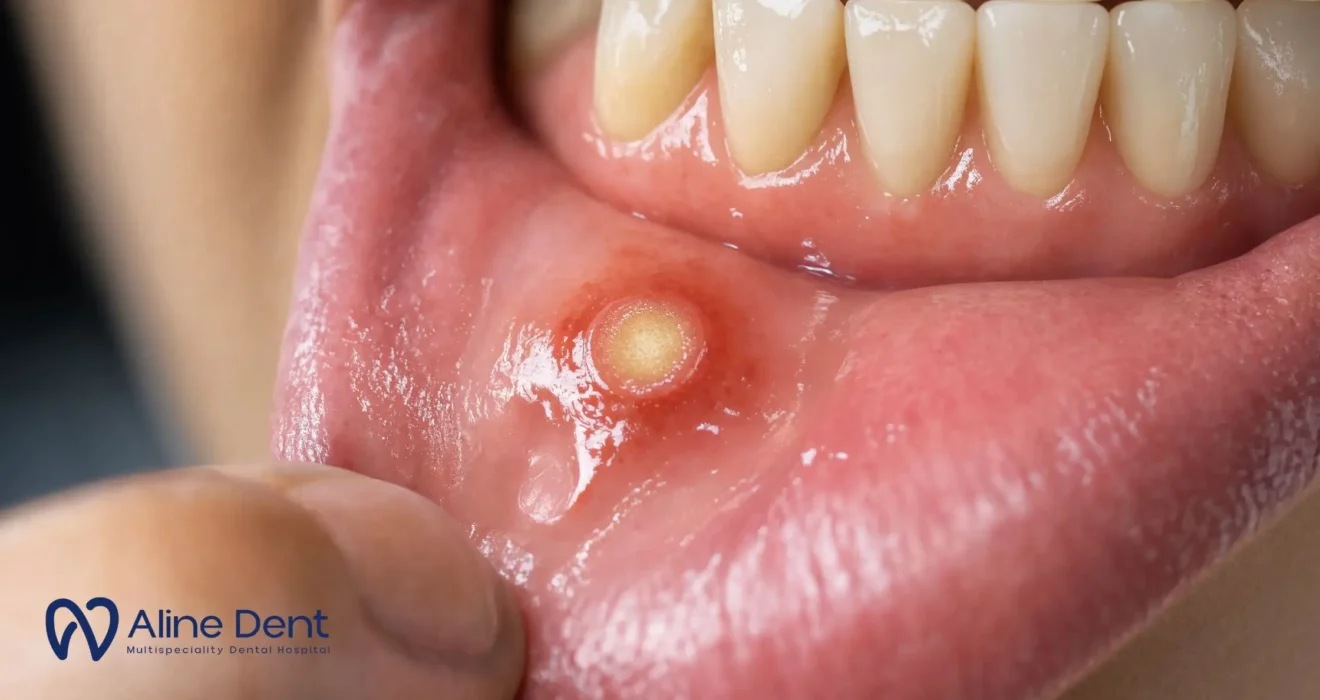
Which Vitamin Deficiency Causes Mouth Ulcers? The Link Explained!
A painful ulcer inside the mouth can seem like a small problem until it keeps coming back. One week it may appear on the inside of the cheek, another time on the tongue or inner lip, making eating, brushing, and even talking uncomfortable. While an occasional mouth ulcer is common and often heals on its own, recurrent mouth ulcers deserve a closer look, especially when there doesn’t seem to be an obvious trigger.
One possible explanation is nutrition.Certain vitamin and mineral deficiencies can affect the health of the tissues lining the mouth and may increase the likelihood of developing recurrent ulcers.
Among the nutrients most commonly associated with mouth ulcers are vitamin B12 and folate (vitamin B9). Iron and zinc deficiencies have also been associated with recurrent aphthous ulcers. Research has found that people with recurrent aphthous stomatitis may be more likely to have deficiencies involving vitamin B12, folate, iron stores, or haemoglobin.
However, a mouth ulcer does not automatically mean you have a vitamin deficiency. Mouth ulcers can also develop after accidentally biting the cheek, from irritation caused by braces or sharp teeth, stress, certain foods, hormonal changes, medications, or underlying medical conditions.
Understanding the connection between vitamin deficiency and mouth ulcers can therefore help you recognize when dietary factors may be involved and when professional evaluation is more appropriate than simply treating the sore each time it appears.
Which Vitamin Deficiencies Are Linked to Mouth Ulcers?
If you’re asking which vitamin deficiency causes mouth ulcers, vitamin B12 and folate are two of the most important deficiencies to consider.
But the picture is broader than a single vitamin.
Nutrients that may be associated with recurrent mouth ulcers include:
| Nutrient | Possible oral effects when deficient |
| Vitamin B12 | Mouth ulcers, sore or red tongue, oral inflammation |
| Folate (Vitamin B9) | Mouth ulcers, sore tongue and changes associated with deficiency anaemia |
| Vitamin B6 | May contribute to oral mucosal changes in deficiency |
| Vitamin D | Has been investigated in relation to recurrent mouth ulcers, although the relationship is less established |
| Iron | Not a vitamin, but iron deficiency and low iron stores have been associated with recurrent ulcers |
| Zinc | Not a vitamin, but low zinc levels may also be associated with recurrent aphthous ulcers |
The NHS lists vitamin deficiencies involving iron, zinc, folic acid, vitamin B and vitamin D among possible triggers of mouth ulcers.
That does not mean everyone with an ulcer needs vitamin supplements. The cause needs to be considered in context, particularly when ulcers are frequent or slow to heal.
Vitamin B12 and Mouth Ulcers: Why Is the Connection Important?
Vitamin B12 is essential for the production of healthy red blood cells, normal nervous system function, and DNA production. When levels become too low, the effects can extend beyond tiredness or weakness and may also appear inside the mouth.
People with vitamin B12 deficiency may experience oral changes such as:
- Recurrent mouth ulcers
- A sore or red tongue
- Burning or unusual sensations in the mouth
- Inflammation of the tongue
- Changes in taste
The NHS specifically identifies mouth ulcers and a sore, red tongue among possible symptoms of vitamin B12 or folate deficiency.
A systematic review and meta-analysis published in BMC Oral Health also found that people with recurrent aphthous stomatitis were more likely to have vitamin B12 deficiency compared with healthy controls.
This is particularly relevant when ulcers are recurrent rather than occasional. If someone repeatedly develops ulcers alongside other symptoms suggestive of B12 deficiency, a healthcare professional may consider blood testing rather than treating each ulcer separately.
Could Folate Deficiency Be Behind Recurrent Mouth Ulcers?
Folate, also known as vitamin B9, is another nutrient worth considering.
Folate is involved in normal cell growth and the production of red blood cells. Because the tissues lining the mouth undergo continual renewal, nutritional deficiencies can sometimes manifest as oral changes.
Folate deficiency may occur because of:
- Inadequate dietary intake
- Certain digestive disorders
- Problems with nutrient absorption
- Heavy alcohol consumption
- Certain medications
- Increased nutritional requirements in some situations
Folate deficiency can also contribute to folate-deficiency anaemia, which may cause symptoms such as tiredness and weakness.
When recurrent ulcers occur alongside other signs of nutritional deficiency, checking folate status may be appropriate.
What About Iron Deficiency? It Isn’t a Vitamin, But It Matters
This is an important distinction.
Iron is a mineral, not a vitamin. Nevertheless, iron deficiency is frequently discussed alongside vitamin deficiency and mouth ulcers because low iron stores have been associated with recurrent aphthous stomatitis.
A systematic review and meta-analysis found that people with recurrent aphthous stomatitis were more likely to have vitamin B12, ferritin, and haemoglobin abnormalities than healthy individuals.
Iron deficiency may also cause oral symptoms such as a sore tongue or changes in the tissues of the mouth, particularly when it is associated with anaemia.
Possible reasons for low iron include:
- Insufficient dietary iron
- Heavy menstrual bleeding
- Blood loss
- Increased nutritional requirements
- Problems absorbing nutrients
- Certain gastrointestinal conditions
For this reason, repeatedly taking iron supplements without knowing whether you are deficient is not a good approach. The underlying reason for low iron should be identified by a healthcare professional.
Why Do Nutritional Deficiencies Affect the Mouth?
The delicate tissues inside the mouth are repeatedly exposed to food, bacteria, chewing-related friction, and shifts in temperature and acidity. Its cells also renew relatively quickly.
Nutrients such as vitamin B12 and folate play important roles in normal cell production and tissue maintenance. When someone has a significant deficiency, the tissues of the mouth may become more vulnerable to inflammation or other changes.
This helps explain why oral symptoms can sometimes appear alongside nutritional deficiencies.
However, this does not mean that every mouth ulcer is caused by poor nutrition. In fact, most occasional ulcers have a much simpler explanation.
Not Every Mouth Ulcer Is Caused by a Vitamin Deficiency
This is where online information about mouth ulcers can become misleading.
A person may develop a painful ulcer after:
- Accidentally biting the cheek
- Brushing too aggressively
- Eating very hot food
- Eating hard or sharp foods
- Wearing braces
- Having a sharp tooth or rough dental restoration
- Experiencing significant stress
- Using an irritating toothpaste
- Experiencing hormonal changes
Certain foods may also trigger or worsen ulcers in susceptible individuals.
Mouth ulcers can sometimes occur alongside medical conditions such as coeliac disease, Crohn’s disease, or other immune-related conditions.
So, if you develop one ulcer after biting your cheek, there is usually no reason to assume you have a vitamin deficiency.
The concern becomes greater when ulcers are frequent, recurrent, unusually large, numerous, or slow to heal.
How Can You Tell If a Vitamin Deficiency May Be Involved?
There isn’t a reliable way to diagnose a nutritional deficiency simply by looking at a mouth ulcer.
Instead, the overall pattern matters.
A dentist or doctor may be more likely to investigate nutritional causes if you have:
- Repeated mouth ulcers
- Several ulcers appearing frequently
- A sore or unusually red tongue
- Persistent mouth soreness
- Unexplained tiredness
- Weakness
- Pale appearance
- Pins and needles or numbness
- Digestive symptoms
- A restricted diet
- A known condition affecting nutrient absorption
Vitamin B12 and folate deficiencies can be assessed using blood tests, and additional tests may be appropriate depending on the symptoms and suspected cause.
What Foods Provide the Nutrients Your Mouth Needs?
If your diet is lacking important nutrients, improving food variety can help support overall health.
Vitamin B12 sources
Vitamin B12 is naturally found mainly in animal-derived foods such as:
- Fish
- Meat
- Eggs
- Milk
- Cheese
- Yogurt
Some fortified foods also contain vitamin B12.

Those following a vegan diet may need to rely on B12-fortified foods or supplements because unfortified plant-based foods typically lack vitamin B12.
Folate-rich foods
Good dietary sources include:
- Spinach
- Broccoli
- Beans
- Peas
- Nuts
- Citrus fruits
- Fortified grains
Folate is particularly important for normal cell growth and blood-cell production.
Iron-rich foods
Sources include:
- Meat
- Lentils
- Beans
- Dark leafy vegetables
- Iron-fortified cereals
- Dried fruits
Vitamin C-rich foods can also help the body absorb iron from plant-based foods.
Should You Take Vitamin Supplements for Mouth Ulcers?
Not automatically.
It can be tempting to see recurrent ulcers online and immediately start taking vitamin B12, folic acid, iron, or a multivitamin. But supplementation is most useful when there is an actual deficiency or a clinically appropriate reason to supplement.
Taking supplements without knowing the cause can also distract from another problem that needs attention.
If recurrent ulcers are suspected to be related to nutrition, a healthcare professional may recommend appropriate blood tests before deciding whether supplementation is necessary.
Mayo Clinic notes that nutritional supplements may be prescribed when a person has low levels of nutrients such as folate, vitamin B6, vitamin B12, or zinc.
What Can You Do When a Mouth Ulcer Appears?
Most ordinary mouth ulcers improve without specific treatment, but the discomfort can be significant.
While an ulcer is healing, you can try to reduce irritation by:
- Choosing softer foods
- Avoiding very spicy or acidic foods
- Avoiding extremely hot drinks
- Brushing gently with a soft-bristled toothbrush
- Keeping the mouth clean
- Avoiding picking or touching the ulcer
A salt-water rinse may also provide some relief for certain people. Mayo Clinic lists salt-water or baking-soda rinses among self-care measures for canker sores.
If the ulcer is particularly painful, a dentist or doctor can recommend appropriate treatment based on its cause and severity.
When Is a Mouth Ulcer More Than Just a Mouth Ulcer?
An occasional ulcer that heals within a reasonable period is usually not a cause for alarm.
However, recurrent or persistent mouth ulcers should not simply be ignored, particularly when they keep returning without an obvious trigger.
Seek professional evaluation if:
- Ulcers occur very frequently
- An ulcer does not heal as expected
- The sores are unusually large
- Several ulcers appear at once
- Eating or drinking becomes difficult
- You develop fever or feel generally unwell
- You have unexplained weight loss
- You also experience persistent fatigue or weakness
- You notice a persistent lump or unusual patch in the mouth
Persistent oral sores can have several causes, so professional examination is important rather than assuming the problem is nutritional.
How a Dentist Can Help Identify the Cause?
Not every mouth ulcer is the result of a dental condition.
A dentist can examine the mouth and look for local triggers such as:
- Sharp teeth
- Rough fillings
- Braces or dentures
- Gum irritation
- Trauma
- Other oral lesions
If the pattern suggests a possible nutritional or systemic cause, the dentist may recommend discussing further evaluation or blood testing with a physician.
This is particularly useful for people who repeatedly search for how to treat mouth ulcers but continue to experience the same problem despite using topical treatments.
Treating the sore is important for comfort. Finding out why the ulcers keep returning is even more important.
Professional Oral Evaluation at Aline Dent
At Aline Dent, patients experiencing recurring mouth ulcers can receive a detailed oral examination to look for possible local causes of irritation and other oral conditions.
The dental team can assess whether ulcers may be related to factors such as accidental trauma, sharp teeth, dental restorations, braces, gum irritation, or other oral concerns.
When the pattern of recurrent ulcers suggests that a nutritional or medical factor may be involved, patients can also be advised to seek appropriate medical evaluation rather than relying only on repeated home remedies.
A dental consultation can be particularly helpful when:
- Mouth ulcers keep returning
- The cause is unclear
- An ulcer is unusually painful
- There are multiple ulcers
- The mouth remains sore between episodes
- You notice other changes inside the mouth
The aim is to identify the likely cause and guide you toward appropriate care instead of treating every ulcer as an isolated problem.
Vitamin Deficiency and Mouth Ulcers: Myths vs Facts
| Myth | Fact |
| Every mouth ulcer means you have a vitamin deficiency. | No. Mouth ulcers have many possible causes, including trauma, stress, irritation, foods, medications, and certain medical conditions. |
| Vitamin B12 is the only deficiency associated with mouth ulcers. | Vitamin B12 and folate are important, but deficiencies involving iron and zinc have also been associated with recurrent ulcers. |
| Iron deficiency is a vitamin deficiency. | Iron is a mineral, not a vitamin. However, iron deficiency can be associated with recurrent aphthous ulcers and other oral changes. |
| Taking B12 supplements will cure all mouth ulcers. | B12 supplementation may help when a genuine deficiency is contributing to the problem, but it will not treat ulcers caused by other factors. |
| One mouth ulcer means you need blood tests. | A single, uncomplicated ulcer is usually not enough to suggest a nutritional deficiency. Recurrent or unusual ulcers may warrant further evaluation. |
| Eating more vitamins always prevents mouth ulcers. | Nutrition is only one factor. Some people develop recurrent ulcers despite having adequate nutrient levels. |
The Bottom Line
The relationship between vitamin deficiency and mouth ulcers is real, but it is not as simple as saying that one missing vitamin is responsible for every sore in the mouth.
Vitamin B12 and folate are particularly relevant, while iron and zinc deficiencies may also be associated with recurrent aphthous ulcers. At the same time, mouth trauma, stress, irritation, diet, medications, and certain systemic conditions can all cause or contribute to ulcers.
If you occasionally develop a small ulcer that heals normally, there may be little reason to worry. But when ulcers keep coming back, occur in large numbers, take unusually long to heal, or appear alongside other symptoms such as fatigue, a sore tongue, digestive problems, or unexplained weakness, it’s worth looking beyond the ulcer itself.
Rather than repeatedly masking the pain or taking supplements without knowing what you need, consider getting the underlying cause assessed. A dental examination can rule out local sources of irritation, while appropriate medical testing can determine whether a nutritional deficiency or another health issue is contributing to recurrent mouth ulcers.
Frequently Asked Questions
Which vitamin deficiency causes mouth ulcers?
Vitamin B12 and folate deficiency are among the vitamin deficiencies associated with mouth ulcers. Other nutritional deficiencies, particularly iron and zinc deficiency, may also be associated with recurrent aphthous ulcers.
Can vitamin B12 deficiency cause recurrent mouth ulcers?
Yes. Vitamin B12 deficiency can be associated with mouth ulcers as well as a sore or red tongue and other oral changes. If ulcers keep returning along with other symptoms of B12 deficiency, professional evaluation may be appropriate.
Can folic acid deficiency cause mouth ulcers?
Folate deficiency can be associated with mouth ulcers and other oral symptoms, particularly when it contributes to folate-deficiency anaemia.
Can iron deficiency cause mouth ulcers?
Iron is not a vitamin, but iron deficiency and low iron stores have been associated with recurrent aphthous stomatitis. A healthcare professional can determine whether iron deficiency is present through appropriate testing.
What foods help prevent mouth ulcers caused by nutritional deficiencies?
Eating a diverse range of foods, including fish, meat, eggs and dairy products for vitamin B12, as well as vegetables, beans, nuts and fortified foods for folate, can support adequate nutrient intake.Iron-rich foods can also support adequate iron intake.
Should I take vitamin B12 for mouth ulcers?
You should not assume that B12 is the cause of your ulcers. If you have recurrent ulcers or other symptoms suggesting a deficiency, speak with a healthcare professional about whether testing is appropriate before starting supplements.
How long do normal mouth ulcers take to heal?
Many uncomplicated mouth ulcers heal on their own. However, the expected healing period can vary depending on the type and cause of the ulcer. An ulcer that persists, repeatedly returns, or behaves differently from your usual ulcers should be professionally assessed.
When should I see a dentist for mouth ulcers?
Consider seeing a dentist if ulcers are recurrent, unusually painful, persistent, associated with other oral changes, or interfering with eating and drinking. A dentist can look for local causes and advise whether further medical evaluation may be needed.