How to Stop Grinding Teeth in Sleep Naturally: Tips to Protect Your Teeth and Improve Your Sleep!
Do you often wake up with a sore jaw, a lingering headache, or teeth that feel more sensitive than usual? At first, you might blame it on poor sleep or stress from the previous day. But if these symptoms become a regular part of your mornings, the real culprit could be something happening while you’re fast asleep – teeth grinding.
If you’re wondering how to stop grinding teeth in sleep naturally, you’re one of many people facing the same concern. Night-time teeth grinding, also known as sleep bruxism, affects both adults and children, and many people don’t even realize they’re doing it until a partner hears the grinding sounds or a dentist notices signs of excessive tooth wear.
Although occasional grinding may not cause serious problems, frequent or severe bruxism can gradually damage your teeth, strain your jaw muscles, trigger headaches, and even affect your quality of sleep. The encouraging news is that mild cases often improve with simple lifestyle changes, better sleep habits, and stress management techniques. However, persistent grinding shouldn’t be ignored, as it may require professional evaluation to prevent long-term complications.
In this guide, we’ll explain what causes sleep bruxism, how to stop grinding teeth in sleep naturally, which home strategies may help, when professional treatment becomes necessary, and how you can protect your smile from unnecessary damage.
What Is Sleep Bruxism?
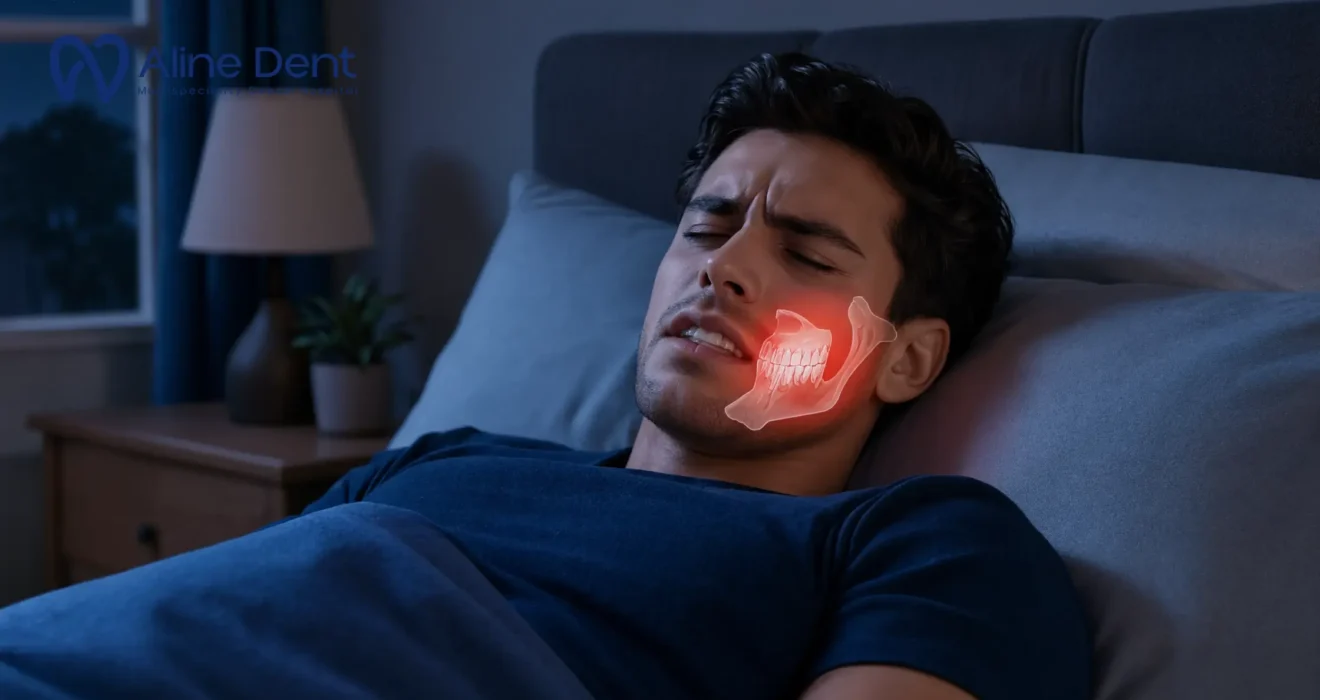
Sleep bruxism is the involuntary clenching or grinding of teeth during sleep. Unlike daytime clenching, which people may notice and control, sleep bruxism occurs unconsciously.
The grinding may involve:
- Clenching the upper and lower teeth tightly
- Moving the jaw from side to side
- Repeated grinding movements during sleep
- Tightening of the jaw muscles
Many people discover they grind their teeth only after symptoms begin affecting their oral health.
Common Signs and Symptoms of Teeth Grinding at Night
The symptoms of teeth grinding at night vary from person to person. Some experience only mild discomfort, while others develop significant dental problems over time.
Common signs include:
- Morning jaw pain
- Facial muscle soreness
- Frequent morning headaches
- Tooth sensitivity
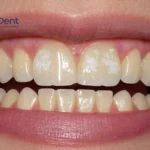
- Flattened or worn teeth
- Chipped or cracked teeth
- Ear pain without an ear infection
- Tight jaw muscles
- Interrupted sleep
If these symptoms occur regularly, it’s worth discussing them with your dentist.
Why Do People Grind Their Teeth During Sleep?
There isn’t always a single cause of sleep bruxism. Instead, several factors often contribute together.
Stress and Anxiety
One of the most common triggers is emotional stress.
People experiencing anxiety, work pressure, or emotional tension may unconsciously clench their jaw during sleep.
Managing stress often plays an important role in reducing grinding episodes.
Poor Sleep Quality
Interrupted sleep, irregular sleep schedules, and certain sleep disorders can increase the likelihood of bruxism.
People with obstructive sleep apnea may also experience teeth grinding more frequently.
Bite Problems
Sometimes uneven tooth contact or certain bite irregularities may contribute to clenching or grinding.
A dental examination can help identify these issues.
Lifestyle Factors
Certain habits may increase the risk of grinding, including:
- Excessive caffeine intake
- Smoking
- Alcohol consumption
- Recreational drug use
- Poor sleep hygiene
Reducing these triggers may lessen symptoms in some individuals.
How to Stop Grinding Teeth in Sleep Naturally?
Many people with mild sleep bruxism benefit from simple, non-invasive lifestyle changes. While natural approaches may not eliminate every case, they can often reduce the frequency or severity of grinding.
1. Reduce Stress Before Bed
Since stress is closely linked to sleep bruxism, creating a relaxing bedtime routine may help calm the nervous system.
Consider:
- Deep breathing exercises
- Meditation
- Gentle stretching
- Reading a book
- Listening to calming music
Relaxation techniques may reduce unconscious jaw clenching during sleep.
2. Improve Your Sleep Routine
Healthy sleep habits support overall sleep quality and may reduce grinding episodes.
Try to:
- Maintain a consistent bedtime every night.
- Limit screen time before bed
- Keep your bedroom cool and quiet
- Avoid heavy meals close to bedtime
Good sleep hygiene benefits both oral and overall health.
3. Limit Caffeine in the Evening
Coffee, tea, energy drinks, and certain soft drinks contain caffeine, which can affect sleep quality and muscle activity.
Limiting caffeine consumption in the afternoon and evening may help some people.
4. Avoid Alcohol Before Bed
Although alcohol may make you feel sleepy initially, it can interfere with normal sleep patterns and may worsen night-time teeth grinding in some individuals.
5. Practice Jaw Relaxation Exercises
Gentle jaw exercises may help reduce muscle tension.
Examples include:
- Relaxing the jaw with lips closed and teeth apart
- Gentle massage of the jaw muscles
- Warm compresses before bedtime
These techniques may reduce jaw tightness, particularly in people who clench during the day.
6. Stay Aware of Daytime Clenching
Many people who grind their teeth at night also clench during the day without realizing it.
Throughout the day, check whether your teeth are touching.
Ideally:
- Lips should be together.
- Teeth should remain slightly apart.
- Jaw muscles should stay relaxed.
Developing this awareness may help reduce overall muscle tension.
Can Natural Remedies Cure Sleep Bruxism?
Natural remedies can certainly play a supportive role in managing mild cases of sleep bruxism, particularly when stress, anxiety, poor sleep habits, or lifestyle factors are contributing to the problem. Techniques such as practicing relaxation exercises, improving sleep hygiene, reducing caffeine and alcohol intake, and being mindful of daytime jaw clenching may help decrease the frequency or intensity of teeth grinding for some individuals.
However, it’s important to understand that natural remedies alone are not a cure for sleep bruxism, especially if the condition is persistent or causing damage to your teeth. Bruxism often has multiple underlying causes, including bite misalignment, sleep disorders such as obstructive sleep apnea, certain medications, or neurological factors. In these cases, lifestyle changes alone may not be enough to stop the grinding.
Relying solely on home remedies while ignoring ongoing symptoms can allow the condition to worsen over time. Continuous grinding can lead to worn enamel, cracked or fractured teeth, jaw pain, headaches, tooth sensitivity, and temporomandibular joint (TMJ) disorders. Once significant tooth wear occurs, restorative dental treatment may be required to repair the damage.
This is why a professional dental evaluation is essential if you regularly wake up with jaw pain, notice worn teeth, or suspect you’re grinding your teeth during sleep. A dentist can identify the underlying cause of your bruxism, assess the extent of any damage, and recommend the most appropriate treatment. Depending on your individual needs, this may include a custom-made night guard, bite assessment, restorative treatment for damaged teeth, or referral for further evaluation if a sleep disorder is suspected.
Natural remedies are best viewed as part of a comprehensive management plan rather than a replacement for professional care. Combining healthy lifestyle habits with expert dental guidance offers the best chance of protecting your teeth, relieving symptoms, and preventing long-term complications.
What Happens If Teeth Grinding Is Left Untreated?
Many people assume teeth grinding is simply a harmless habit.
In reality, untreated bruxism can gradually lead to:
- Tooth wear
- Cracked teeth
- Broken fillings
- Gum recession
- Jaw joint pain (TMJ disorders)
- Chronic headaches
- Tooth sensitivity
- Difficulty chewing
The earlier the problem is addressed, the easier it is to prevent permanent damage.
Professional Treatment Options for Bruxism
If lifestyle changes don’t provide sufficient relief, your dentist may recommend additional treatment.
Depending on the cause, options may include:
Custom Night Guards
A mouth guard for teeth grinding helps protect teeth from excessive wear by creating a protective barrier during sleep.
Although it doesn’t cure bruxism, it significantly reduces damage to the teeth.
Bite Evaluation
If bite problems contribute to grinding, your dentist may recommend corrective treatment where appropriate.
Managing Underlying Conditions
If sleep apnea or another medical condition is suspected, referral to an appropriate healthcare professional may be advised.
Expert Care for Teeth Grinding at Aline Dent
Persistent teeth grinding should never be ignored, especially if it’s causing tooth wear, jaw discomfort, or recurring headaches.
At Aline Dent, patients with sleep bruxism undergo a comprehensive dental evaluation to identify signs of grinding and determine the possible contributing factors. Treatment focuses on protecting the teeth, relieving jaw strain, and preventing long-term complications.
The clinic offers:
- Comprehensive bruxism assessment
- Bite analysis
- Digital dental examinations
- Custom-made night guards
- Management of worn or damaged teeth
- Restorative dental treatments when required
- Personalized preventive care
Whether you’re experiencing occasional clenching or more severe teeth grinding at night, early diagnosis can help preserve your natural teeth and reduce the risk of future dental problems.
Final Thoughts
If you’ve been wondering how to stop grinding teeth in sleep naturally, it’s important to remember that the most effective approach depends on what’s causing the problem.
For many people, reducing stress, improving sleep habits, and making small lifestyle adjustments can significantly reduce grinding episodes. However, when teeth grinding becomes frequent or begins affecting your teeth, jaw, or overall comfort, professional care is essential.
Ignoring persistent sleep bruxism can lead to worn teeth, fractures, jaw pain, and long-term oral health problems. Early diagnosis allows your dentist to recommend preventive strategies and treatments that protect your smile while addressing the underlying cause.
By combining healthy daily habits with timely dental care when needed, you can reduce the effects of sleep bruxism and maintain stronger, healthier teeth for years to come.
Frequently Asked Questions
How can I stop grinding my teeth naturally while sleeping?
Reducing stress, improving sleep hygiene, limiting caffeine and alcohol, practicing jaw relaxation exercises, and becoming aware of daytime clenching may help reduce mild sleep bruxism.
What causes teeth grinding during sleep?
Common causes include stress, anxiety, poor sleep quality, certain sleep disorders, bite irregularities, medications, and lifestyle factors.
Is teeth grinding dangerous?
Occasional grinding may not cause serious problems, but frequent bruxism can damage teeth, cause jaw pain, headaches, and contribute to TMJ disorders.
Does a mouth guard stop teeth grinding?
A custom night guard protects teeth from damage but doesn’t eliminate the underlying habit. It is often part of a comprehensive treatment plan.
Can stress alone cause bruxism?
Stress is one of the most common triggers, but it is rarely the only contributing factor.
Should I see a dentist if I grind my teeth at night?
Yes. A dental examination can help determine the level of tooth wear, pinpoint its causes, and guide you toward the right treatment to maintain a healthy smile.
Can children grind their teeth while sleeping?
Yes. Sleep bruxism can occur in children, although many outgrow the habit. Persistent or severe grinding should still be evaluated.