
How to Remove Tartar from Teeth Without Dentist: What Actually Works and What Doesn’t!
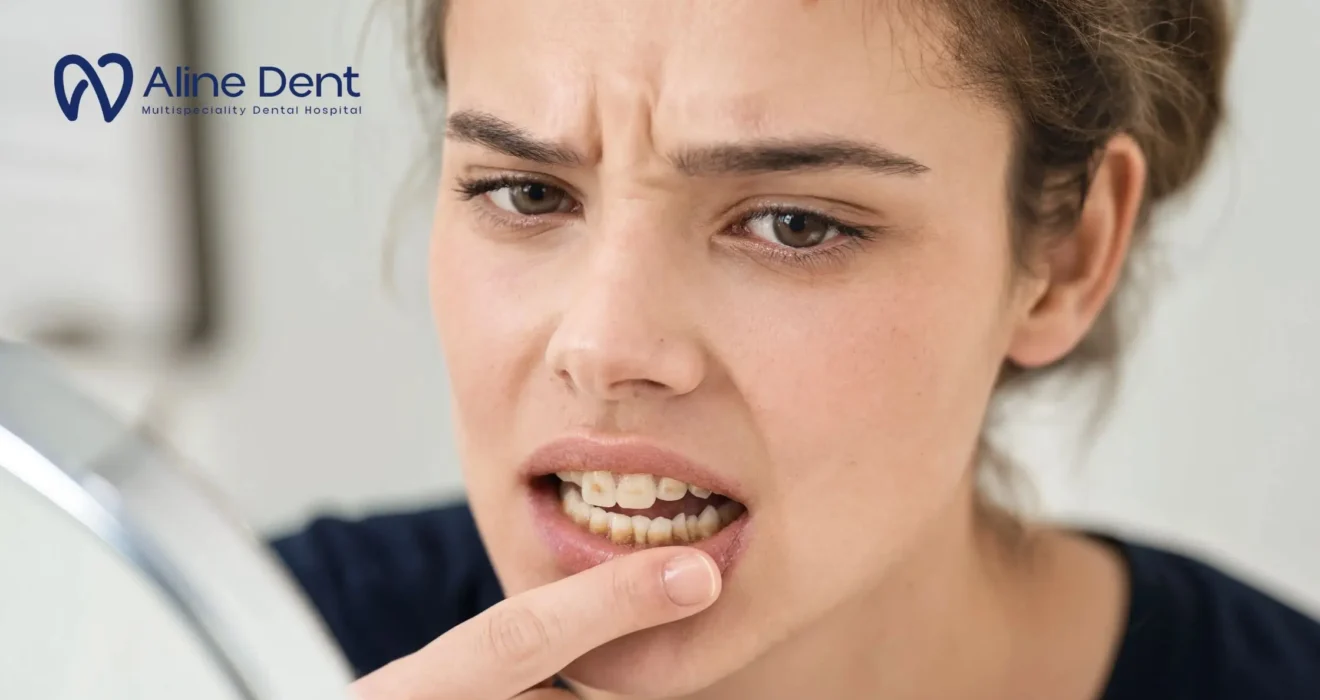
You run your tongue across your teeth and notice a rough, hard deposit near the gumline. No matter how much you brush, it doesn’t seem to go away. Maybe you’ve seen countless videos online claiming that baking soda, lemon juice, charcoal, or DIY scraping tools can instantly remove tartar at home.
Naturally, you start searching:
“How to remove tartar from teeth without a dentist?”
It’s a common question and an understandable one. Most people would prefer a simple home solution rather than scheduling a dental appointment. However, when it comes to tartar, there is an important distinction that many people don’t realize:
Plaque and tartar are not the same thing.
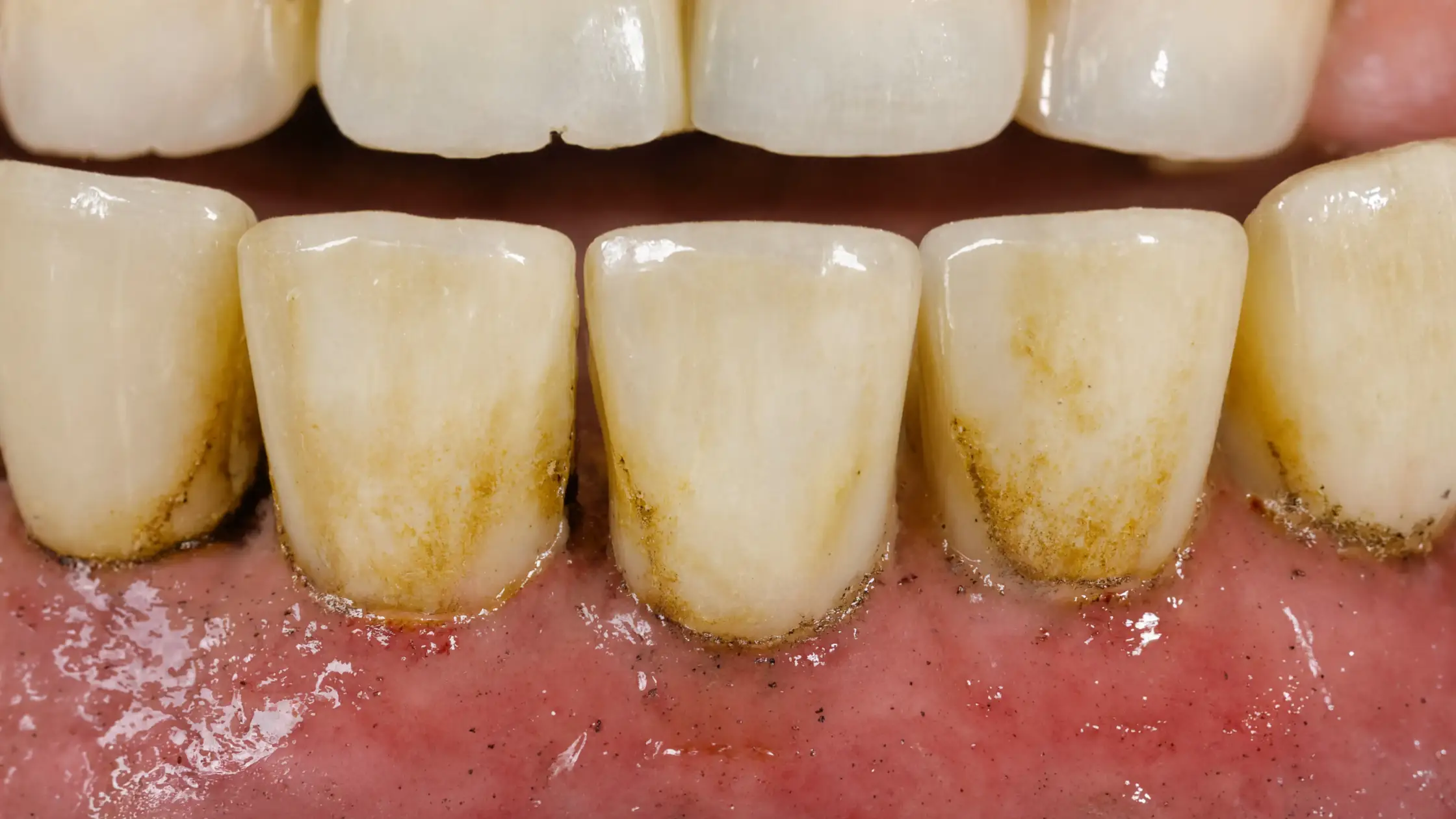
Plaque is a soft, sticky film of bacteria that can often be removed through proper brushing and flossing. Tartar, on the other hand, is hardened plaque that has mineralized and bonded tightly to the tooth surface.
This difference matters because while there are ways to reduce plaque and prevent further tartar buildup at home, removing established tartar is much more challenging.
In this guide, we’ll explore what tartar actually is, whether it can be removed without a dentist, safe methods to reduce buildup, common myths to avoid, and how to keep your teeth healthier in the long run.
What Is Tartar and Why Does It Form?
Tartar, also known as dental calculus, develops when plaque remains on the teeth for an extended period.
Throughout the day, bacteria naturally mix with:
- Food particles
- Saliva
- Sugars
- Proteins
This creates plaque.
If plaque isn’t removed thoroughly, minerals from saliva begin to harden it within days. Once hardened, it becomes tartar.
Tartar commonly forms:
- Along the gumline
- Behind lower front teeth
- Around crowded teeth
- Between teeth
- Near saliva glands
Unlike plaque, tartar has a rough surface that attracts even more bacteria and plaque, creating a cycle that can contribute to gum disease, bad breath, and tooth discoloration.
Can You Really Remove Tartar from Teeth Without a Dentist?
This is where many online articles become misleading.
The honest answer is:
Soft plaque? Yes.
Hardened tartar? Usually no.
Once plaque has hardened into tartar, it becomes firmly attached to the tooth surface.
Regular brushing cannot remove it.
Flossing cannot remove it.
Mouthwash cannot dissolve it.
Home remedies cannot magically break it down overnight. What you can do at home is:
- Prevent new tartar formation
- Reduce plaque accumulation
- Slow tartar progression
- Improve gum health
But existing tartar deposits typically require professional dental scaling. Understanding this distinction helps avoid wasting time on ineffective DIY methods.
Why DIY Tartar Removal Can Be Risky?
Numerous social media influencers recommend home tartar removal tools in their videos.
At first glance, these may seem harmless.
However, dentists frequently see injuries caused by self-treatment, including:
- Gum cuts
- Gum recession
- Enamel scratches
- Increased tooth sensitivity
- Bacterial infections
Professional scaling instruments require proper training and visibility to use safely. Attempting to scrape tartar aggressively at home can often create more problems than it solves.
How to Reduce Tartar Buildup at Home
While established tartar generally cannot be removed completely without professional care, several habits can help reduce buildup and prevent it from worsening.
Brush More Effectively, Not More Aggressively
Many people assume tartar develops because they don’t brush enough. More often, the issue is technique.
Effective brushing involves:
- Brushing twice daily
- Using fluoride toothpaste
- Reaching the gumline
- Brushing for at least two minutes
- Using a soft-bristled toothbrush
An electric toothbrush can be especially effective for plaque removal. The goal is consistent plaque removal before it hardens into tartar.
Floss Every Day
This is one of the most overlooked steps in oral hygiene. Tartar often develops in areas that toothbrushes cannot reach.
Daily flossing removes plaque between teeth before mineralization occurs. Patients who floss consistently often experience significantly slower tartar accumulation.
Consider Tartar-Control Toothpaste
Certain toothpaste formulations contain ingredients designed to reduce tartar formation. Although existing tartar cannot be removed by them, they may help prevent new deposits from developing.
These products are most effective when combined with proper brushing and flossing habits.
Rinse Your Mouth After Meals
You don’t need to brush after every meal. Simply rinsing with water can help:
- Remove food particles
- Reduce acid exposure
- Limit bacterial growth
This simple habit can contribute to better long-term oral health.
Stay Hydrated Throughout the Day
Saliva acts as a natural defense system that protects your teeth every day.
It helps:
- Neutralize acids
- Wash away debris
- Control bacterial populations
Dry mouth often increases plaque accumulation and tartar formation. Keeping yourself hydrated helps your mouth naturally remove debris and maintain a healthier environment.
Foods That May Help Reduce Plaque Accumulation
While no food removes hardened tartar, some foods can support cleaner teeth.
Crunchy fruits and vegetables such as:
- Apples
- Carrots
- Celery
- Cucumbers
can help stimulate saliva production and provide a mild cleansing effect.
Similarly, dairy products may help support enamel health due to their calcium and phosphate content. These foods should complement – not replace – proper oral hygiene.
Signs That Tartar Is Affecting Your Oral Health
Tartar isn’t just a cosmetic concern.
It can contribute to several oral health issues, including:
- Persistent bad breath
- Yellow or brown deposits near the gums
- Bleeding gums
- Gum inflammation
- Gum recession
- Tooth sensitivity
- Early gum disease
If you notice these symptoms, professional evaluation is often the best course of action.
Professional Tartar Removal and Preventive Care at Aline Dent
While many people search for ways to remove tartar at home, professional cleaning remains the safest and most effective solution for established tartar deposits.
At Aline Dent, preventive dentistry is a major focus of patient care. In addition to eliminating tartar deposits, we explain the factors that contribute to their formation and how to maintain long-term oral health.
Services include:
- Professional scaling and polishing
- Gum disease prevention
- Oral hygiene assessments
- Personalized brushing and flossing guidance
- Preventive dental checkups
- Comprehensive dental care
Many patients are surprised by how much cleaner and smoother their teeth feel after professional tartar removal. More importantly, removing tartar early can help prevent more serious issues such as gingivitis and periodontal disease.
The team at Aline Dent emphasizes education and prevention, helping patients maintain healthier smiles between dental visits.
How to Prevent Tartar from Coming Back?
Preventing tartar is far easier than removing it. The most effective long-term strategy includes:
Daily Oral Hygiene
- Brush twice daily
- Floss once daily
- Clean the tongue
Regular Dental Visits
- Schedule routine checkups
- Have professional cleanings as recommended
Healthy Dietary Choices
- Limit sugary snacks
- Reduce frequent sipping of sugary drinks
- Stay hydrated
Consistent Oral Care Habits
Small daily habits often have the biggest long-term impact.
Final Thoughts
If you’ve been searching for how to remove tartar from teeth without dentist, it’s important to separate myths from reality.
While there are many ways to reduce plaque and prevent new tartar from forming at home, hardened tartar is different. Once plaque mineralizes, it usually requires professional removal.
Rather than focusing on risky DIY methods, the most effective approach is preventing tartar before it develops through proper brushing, daily flossing, good hydration, and regular dental care.
Healthy teeth aren’t built through quick fixes; they’re built through consistent habits that protect your smile day after day.
Frequently Asked Questions
How to remove tartar from teeth without dentist?
While you can reduce plaque and slow tartar formation at home, established tartar generally cannot be completely removed without professional dental cleaning.
Can brushing remove tartar?
No. Brushing can remove plaque, but hardened tartar typically requires professional scaling.
Is tartar harmful?
Yes. Tartar creates a rough surface that encourages bacterial growth and may contribute to gum disease, bad breath, and tooth decay.
Does baking soda remove tartar?
Baking soda may help reduce plaque and surface stains but does not effectively remove hardened tartar deposits.
Why does tartar keep coming back?
Tartar forms when plaque isn’t fully removed. Inconsistent brushing, skipping flossing, and delayed cleanings can contribute to recurring buildup.
Can mouthwash remove tartar?
Mouthwash can help reduce bacteria but cannot remove existing tartar.
How often should tartar be professionally removed?
This varies by individual. Many people benefit from professional cleanings every six months, though some may require more frequent visits.