
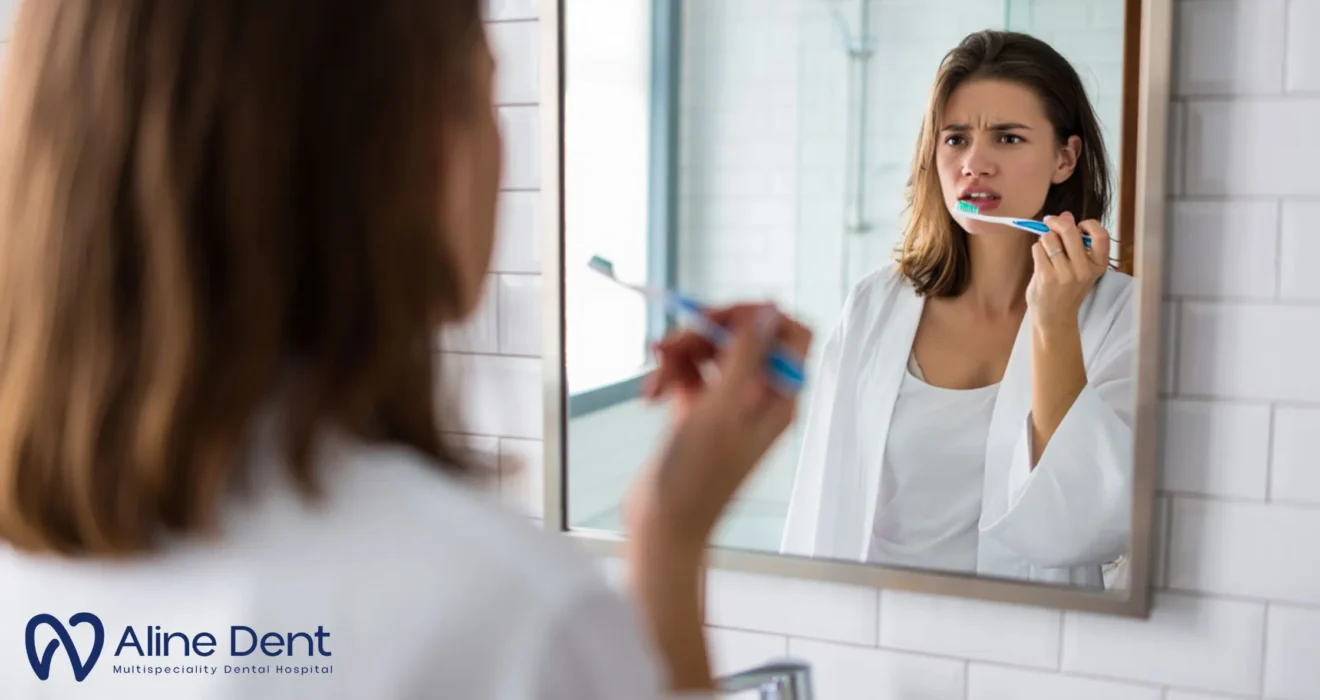
Why Are My Teeth Yellow When I Brush Them Everyday? A Dentist-Backed Guide!
You brush your teeth every single day. Maybe twice a day. Maybe after every meal. You use toothpaste that promises “whiter teeth,” rinse regularly, and try your best to maintain good oral hygiene.
Yet every time you look in the mirror, your teeth still seem yellow.
At some point, almost everyone asks the same frustrating question:
“Why are my teeth yellow when I brush them every day?”
The confusing part is that yellow teeth are often associated with poor hygiene. So when someone who brushes regularly still notices discoloration, it can feel discouraging. Many people start brushing harder, trying random home remedies, or switching toothpaste constantly, only to see little or no improvement.
Here’s the truth most people don’t realize: white teeth and healthy teeth are not always the same thing.
Tooth color is influenced by far more than just brushing habits. Your enamel thickness, genetics, food choices, age, lifestyle habits, medications, and even the way you brush all play a role in how your teeth look.
In many cases, brushing alone simply cannot remove the type of discoloration causing your teeth to appear yellow.
This detailed guide explains the real reasons behind yellow teeth, the science of tooth discoloration, common mistakes people make, and what you can realistically do to improve your smile safely and effectively.
Why Teeth Aren’t Naturally Pure White?
One of the biggest misconceptions in dentistry is the idea that healthy teeth should look paper-white.
In reality, natural teeth usually have a slightly off-white, cream, or yellowish tone.
Your teeth are made up of multiple layers:
- Enamel: The strong outer layer that shields and protects the teeth.
- Dentin: The inner layer beneath the enamel, naturally yellow in color
Enamel is semi-translucent. This means the dentin underneath can influence the visible color of your teeth.
Some people naturally have thicker enamel, making their teeth appear whiter. Others have thinner enamel, allowing more of the yellow dentin to show through.
This is one reason why two people with equally healthy teeth may still have very different tooth shades.
So if you’re wondering why your teeth look yellow despite brushing daily, the answer may have more to do with biology than hygiene.
Top Reasons Your Teeth Look Yellow Even If You Brush Daily

1. Surface Stains from Everyday Food and Drinks
Even if you brush consistently, certain foods and beverages stain the enamel gradually over time.
Common culprits include:
- Coffee
- Tea
- Red wine
- Cola
- Dark sauces
- Turmeric-rich foods
- Berries
These foods contain pigments called chromogens that cling to enamel and cause discoloration.
And while brushing helps reduce fresh stains, it cannot always completely remove stains that have settled into microscopic pores in the enamel.
2. Plaque and Tartar Buildup
Brushing removes a large portion of plaque, but not all of it.
When plaque isn’t completely removed, especially around the gumline and between teeth, it hardens into tartar. Tartar often appears yellow or brown and cannot be removed with normal brushing.
This is extremely common in people who:
- Skip flossing
- Brush too quickly
- Miss hard-to-reach areas
- Use improper brushing technique
Even people who brush twice daily can still develop tartar buildup over time.
3. You May Be Brushing Incorrectly
Many people assume brushing harder means brushing better.
Unfortunately, aggressive brushing can actually wear down enamel over time. When enamel becomes thinner, the yellow dentin underneath becomes more visible.
This creates a cycle where people notice yellowing, brush even harder to “clean” the teeth, and unintentionally worsen the appearance.
Common brushing mistakes include:
- Using a hard-bristle toothbrush
- Brushing aggressively
- Brushing for less than two minutes
- Missing the inner surfaces of teeth
- Not replacing toothbrushes regularly
Proper brushing technique matters more than force.
4. Aging Naturally Changes Tooth Color
As we age, enamel gradually becomes thinner due to years of chewing, brushing, acidic foods, and daily wear.
At the same time, dentin naturally becomes darker and denser.
This combination often makes teeth appear more yellow over time, even in people with excellent oral hygiene habits.
It’s a completely normal biological process.
5. Genetics Plays a Bigger Role Than Most People Think
Some people are simply born with naturally brighter teeth.
Others naturally have:
- More yellow-toned dentin
- Thinner enamel
- Different enamel translucency
This is why whitening results vary significantly from person to person.
Genetics influences tooth color just like they influence skin tone, hair texture, and eye color.
6. Smoking and Tobacco Use
Tobacco products are one of the leading causes of persistent yellow and brown stains.
Nicotine itself is colorless, but when exposed to oxygen, it turns yellow. Combined with tar, smoking creates deep stains that often penetrate enamel.
These stains usually cannot be removed effectively through brushing alone.
7. Certain Medications Can Cause Tooth Discoloration
Some medications affect tooth color internally.
Examples include:
- Tetracycline antibiotics
- Certain antihistamines
- High blood pressure medications
- Excessive fluoride exposure during childhood
This type of discoloration is known as intrinsic staining, meaning the discoloration comes from inside the tooth structure itself.
8. Whitening Toothpaste Has Limitations
Many people believe whitening toothpaste will dramatically change tooth color.
In reality, most whitening toothpastes only help remove mild surface stains. They do not significantly alter natural tooth shade or remove deep intrinsic discoloration.
This is why many people use whitening products for months without major results.
The Difference Between Healthy Teeth and White Teeth
This is something many dentists wish more patients understood.
Teeth can be:
- Healthy but naturally yellowish
- White-looking but unhealthy underneath
Social media, filters, celebrity veneers, and whitening advertisements have created unrealistic expectations about tooth color.
The goal should not be unnaturally white teeth. The goal should be:
- Healthy enamel
- Strong gums
- Clean teeth
- A naturally bright smile
Healthy teeth come first. Cosmetic whitening should always be approached safely and professionally.
How to Actually Improve Yellow Teeth Safely?
If your teeth appear yellow despite brushing daily, there are evidence-based ways to improve their appearance.
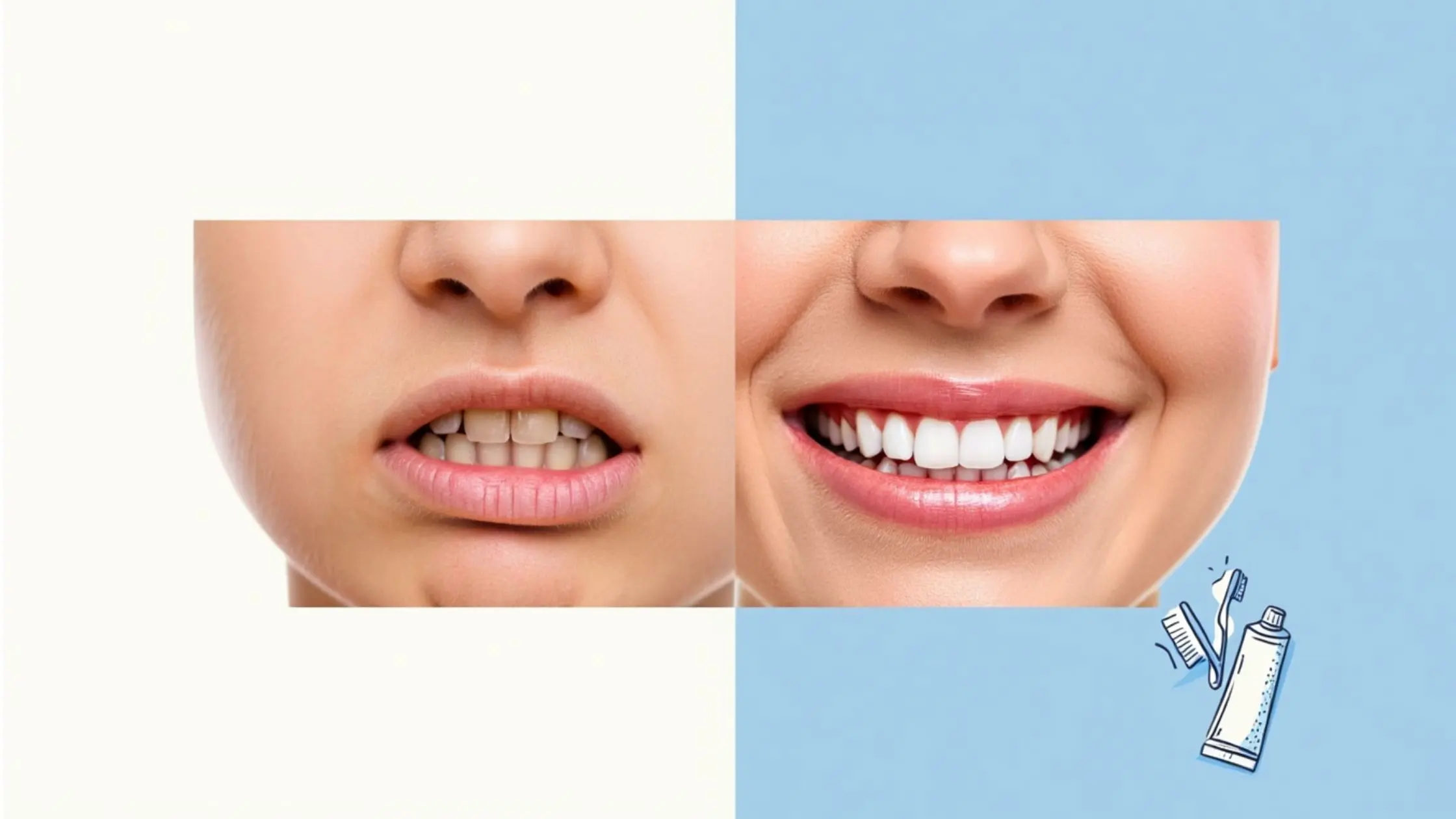
Improve Your Brushing Technique
Use a soft-bristled toothbrush and brush gently in circular motions for at least two minutes.
Avoid aggressive scrubbing.
Floss Daily
Flossing is important because it removes plaque and food buildup from between the teeth, where brushing cannot properly reach.
This alone can significantly improve the appearance of our smile over time.
Reduce Staining Foods and Drinks
You don’t necessarily need to eliminate coffee or tea completely.
Instead:
- Rinse with water afterward
- Use a straw for cold beverages
- Avoid sipping slowly over long periods
Stay Hydrated
Saliva naturally helps wash away food particles and neutralize acids.
Dry mouth increases staining risk.
Professional Dental Cleaning
Professional scaling removes tartar and stubborn surface stains that brushing cannot eliminate.
Many people notice immediate improvement after a proper dental cleaning.
Professional Teeth Whitening
For deeper discoloration, professional whitening treatments are often far more effective and safer than over-the-counter products.
Dentists can determine whether your stains are:
- Extrinsic (surface-level)
- Intrinsic (internal)
- Age-related
- Medication-related
This helps guide the right treatment approach.
Personalized Cosmetic Dental Care at Aline Dent
Many patients who struggle with yellow teeth assume they simply need a stronger toothpaste or a harsher brushing routine. But in reality, identifying the actual cause of discoloration is what makes treatment effective.
At Aline Dent, cosmetic and preventive dental care focuses on understanding each patient’s individual concerns rather than offering one-size-fits-all solutions.
The clinic provides:
- Professional dental cleaning
- Teeth whitening treatments
- Smile correction procedures
- Preventive dental care
- Personalized oral hygiene guidance
The dental team also educates patients about proper brushing techniques, enamel protection, and realistic expectations regarding tooth shade and whitening results.
For patients asking, “why are my teeth yellow when I brush them everyday”, a proper dental evaluation often reveals causes that brushing alone cannot solve.
Signs You Should Visit a Dentist for Yellow Teeth
Tooth discoloration is not always purely cosmetic.
You should seek professional dental advice if you notice:
- Sudden darkening of teeth
- Brown or gray patches
- Persistent tartar buildup
- Gum bleeding
- Tooth sensitivity
- Uneven discoloration
- Bad breath despite brushing
In some cases, discoloration may indicate underlying dental problems that require treatment.
Final Thoughts
If you’ve been wondering why your teeth are yellow when you brush them every day, you’re definitely not alone, and it doesn’t automatically mean you have poor oral hygiene.
Many factors beyond brushing influence tooth color. In fact, some yellowing is completely natural and biologically normal.
Instead of brushing harder or chasing unrealistic whitening trends online, focus on understanding the actual reason behind the discoloration.
Oral health goes beyond the appearance of perfectly white teeth. And when needed, professional dental guidance can help you improve both the health and appearance of your teeth safely, realistically, and effectively.
Frequently Asked Questions (FAQs)
Why are my teeth yellow even though I brush twice a day?
Brushing removes surface debris, but it cannot always remove tartar, deep stains, or intrinsic discoloration caused by enamel thinning, aging, or genetics.
Can yellow teeth become white again?
Yes, depending on the cause. Surface stains often improve with professional cleaning and whitening treatments.
Is it normal for teeth to be slightly yellow?
Yes. Natural teeth are not perfectly white. Dentin beneath the enamel naturally has a yellow tone.
Does brushing harder make teeth whiter?
No. Overbrushing can damage enamel and make teeth appear even more yellow over time.
Why do my teeth look more yellow in certain lighting?
Lighting conditions, enamel translucency, dehydration, and shadows can affect how tooth color appears visually.
Can coffee permanently stain teeth?
Over time, repeated coffee consumption can cause stubborn staining, especially if oral hygiene is inconsistent.
Are whitening treatments safe?
Professional whitening treatments performed under dental supervision are generally safe when done correctly.