How to Brush Teeth with Electric Toothbrush: A Beginner’s Guide to Use it Correctly!
Brushing your teeth is one of the simplest things you do every day, yet many people unknowingly do it incorrectly. With the growing popularity of electric toothbrushes, more people are switching from manual brushes in the hope of achieving cleaner teeth, healthier gums, and a brighter smile. However, owning an electric toothbrush doesn’t automatically guarantee better oral health. The technique you use matters just as much as the tool itself.
In fact, one of the most common mistakes dentists see is people using an electric toothbrush exactly like a manual toothbrush. They scrub aggressively, move too quickly, or miss important areas of the mouth, reducing the effectiveness of the brush.
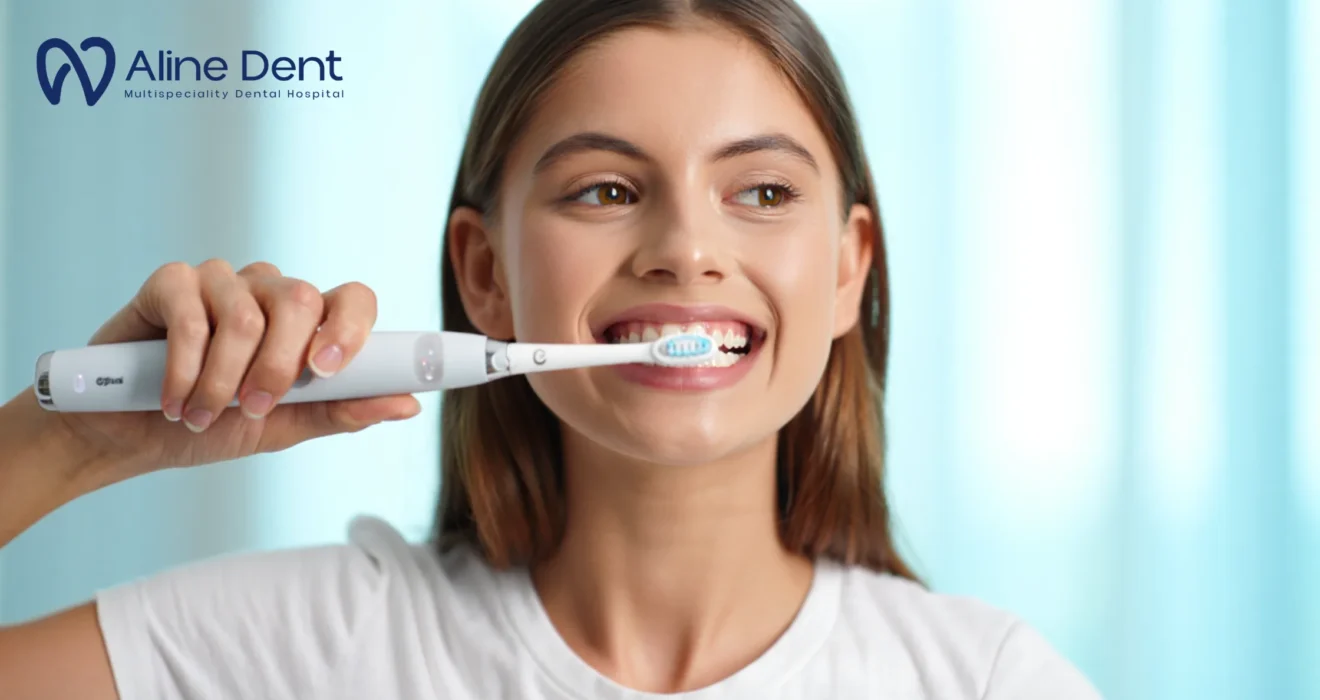
If you’ve recently purchased an electric toothbrush, or you’re considering making the switch, you may be wondering how to brush teeth with electric toothbrush properly.
The good news is that electric toothbrushes are designed to do most of the work for you. Once you understand the correct technique, brushing becomes easier, more effective, and often gentler on your teeth and gums.
In this comprehensive guide, you’ll learn the right way to use an electric toothbrush, common mistakes to avoid, the benefits of electric brushing, and expert tips for maintaining optimal oral health.
Why Electric Toothbrushes Have Become So Popular?
Over the last decade, electric toothbrushes have become a preferred choice for both dentists and patients.
Unlike manual toothbrushes, electric toothbrushes use oscillating, rotating, sonic, or vibrating movements to remove plaque more efficiently. These rapid movements help clean areas that are often missed with traditional brushing.
Many modern electric toothbrushes also include features such as:
- Built-in timers
- Pressure sensors
- Multiple cleaning modes
- Bluetooth tracking
- Gum care settings
- Sensitive teeth modes
By encouraging improved brushing habits, these features contribute to maintaining better oral hygiene on a daily basis.
Are Electric Toothbrushes Better Than Manual Toothbrushes?
This remains one of the most frequently discussed topics in dental care.
The answer is that both can clean teeth effectively when used correctly. However, electric toothbrushes offer several advantages.
They can:
- Remove plaque more efficiently
- Improve gum health
- Encourage proper brushing duration
- Reduce excessive brushing force
- Make brushing easier for children, seniors, and individuals with limited dexterity
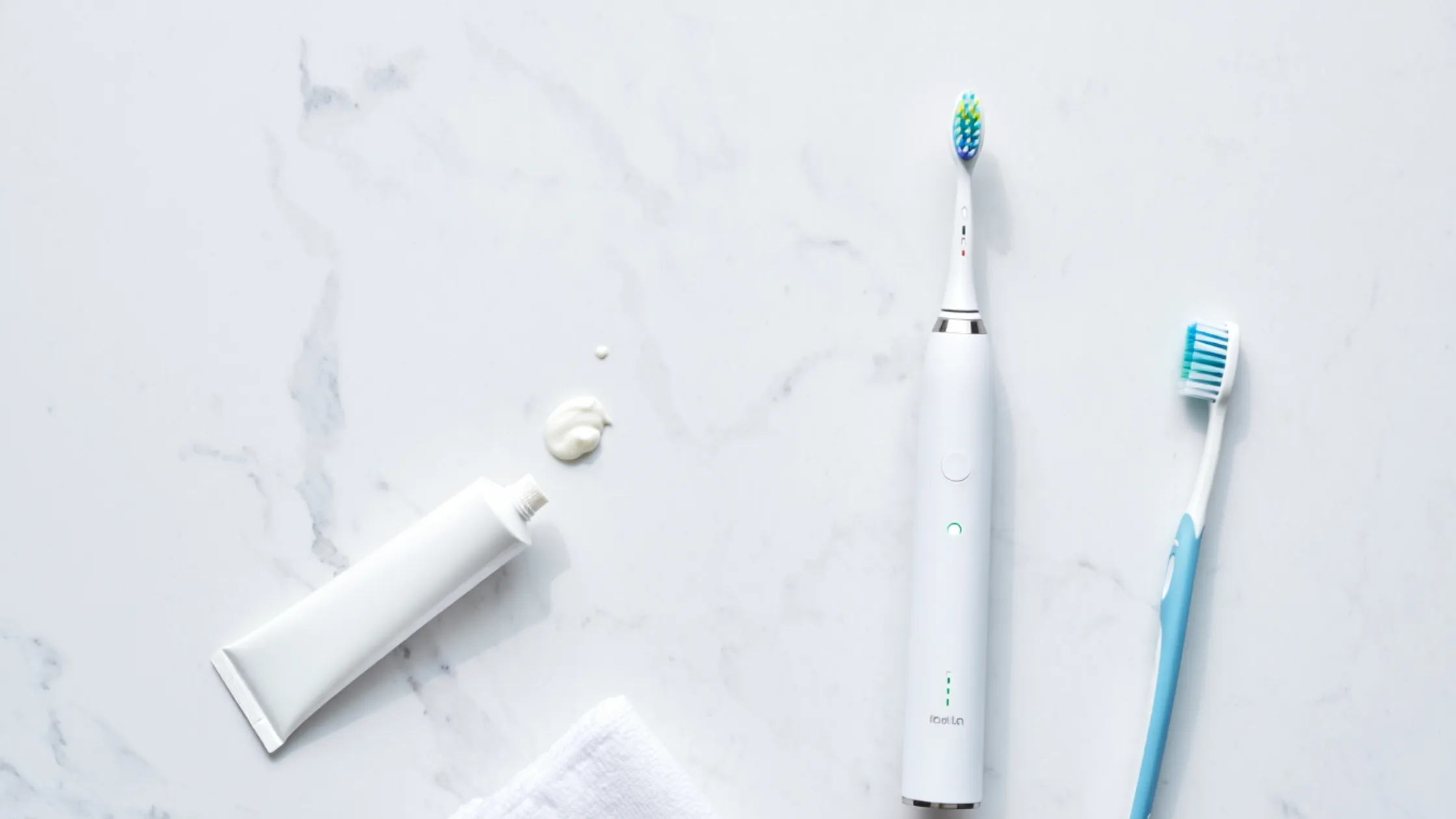
Many people find that their overall brushing technique improves after switching to an electric toothbrush because the brush performs much of the cleaning action automatically.
How to Brush Teeth with Electric Toothbrush: Step-by-Step Guide
One of the biggest misconceptions is that electric toothbrushes require vigorous scrubbing. In reality, they work best when you allow the brush to do the work.
Step 1: Apply the Right Amount of Toothpaste
Use a pea-sized amount of the right fluoride toothpaste on the brush head.
More toothpaste does not necessarily improve cleaning effectiveness.
Step 2: Set the brush in position before activating it.
Place the brush head against your teeth before switching it on.
This helps prevent toothpaste from splattering around the sink and mirror.
Step 3: Hold the Brush at a 45-Degree Angle
Position the bristles where the teeth meet the gums.
This allows the brush to effectively clean both the tooth surface and the gumline, where plaque commonly accumulates.
Step 4: Guide the brush gently and let it do the work.
This is the most important step.
Unlike a manual toothbrush, you should not scrub back and forth.
Instead:
- Gently guide the brush
- Hold the brush head on each tooth surface for a few seconds before shifting to the next one.
- Allow the vibrations or rotations to clean the surface
Think of it as “gliding” the brush rather than scrubbing.
Step 5: Clean Every Surface Methodically
Divide your mouth into four sections:
- Upper right
- Upper left
- Lower right
- Lower left
Spend approximately 30 seconds on each section.
Brush:
- Outer surfaces
- Inner surfaces
- Chewing surfaces
Many electric toothbrushes include built-in timers that help ensure even cleaning.
Step 6: Brush for the Full Two Minutes
Most dentists recommend brushing for at least two minutes.
Many people underestimate how long they actually brush. Research has consistently found that most people brush their teeth for less than a minute on average.
The timer feature on electric toothbrushes helps solve this problem.
Step 7: Don’t Forget Your Tongue
Bacteria don’t only live on your teeth.
Your tongue can harbor bacteria that contribute to bad breath and plaque formation.
Gently brush your tongue or use a tongue cleaner as part of your daily routine.
Common Mistakes People Make with Electric Toothbrushes
Many people unintentionally limit the benefits of their electric toothbrush by not using it the right way.
Brushing Too Hard
Vigorous brushing can gradually erode enamel and damage the gum tissue.
Many modern electric toothbrushes include pressure sensors that alert users when they’re applying excessive force.
Moving Too Quickly
Rushing through brushing prevents the brush from properly cleaning each tooth surface.
Slow, controlled movements are far more effective.
Skipping the Gumline
Plaque tends to accumulate where teeth meet the gums.
Neglecting this area can increase the risk of gum disease and tartar buildup.
Ignoring Inner Tooth Surfaces
Many people focus only on visible front teeth and neglect the inner surfaces facing the tongue and palate.
These areas need equal attention.
Not Replacing Brush Heads
Even the best electric toothbrush loses effectiveness if the brush head is worn out.
Most dentists recommend replacing brush heads every three months or sooner if bristles become frayed.
Benefits of Using an Electric Toothbrush Correctly
When used properly, an electric toothbrush can provide several long-term benefits.
Improved Plaque Removal
The rapid movement of electric bristles can remove plaque more effectively than manual brushing alone.
Healthier Gums
Better plaque control often leads to reduced gum inflammation and bleeding.
Consistent Brushing Habits
Timers and smart features encourage proper brushing duration.
Easier for Sensitive Teeth
Electric toothbrushes often require less physical effort and pressure.
Better Access to Hard-to-Reach Areas
The movement of the brush helps clean difficult areas more efficiently.
Is an Electric Toothbrush Suitable for Everyone?
In most cases, yes.
Electric toothbrushes are especially beneficial for:
- Children
- Seniors
- Orthodontic patients
- People with arthritis
- Individuals with limited hand mobility
- Patients prone to plaque buildup
However, selecting the right brush head and brushing mode is important, particularly for people with gum sensitivity or ongoing dental treatment.
Professional Oral Care Guidance at Aline Dent
Even the most advanced electric toothbrush cannot replace professional dental care.
At Aline Dent, patient education is an important part of preventive dentistry. The dental team helps patients understand not only what oral hygiene tools to use, but also how to use them effectively.
Many patients are surprised to learn that small changes in brushing technique can significantly improve gum health, reduce plaque buildup, and prevent future dental problems.
The clinic provides comprehensive dental care, including:
- Preventive dental checkups
- Professional scaling and polishing
- Gum care treatments
- Cosmetic dentistry
- Orthodontic care
- Personalized oral hygiene guidance
Whether you’re using a manual toothbrush or an electric toothbrush, regular dental evaluations help ensure your brushing habits are supporting long-term oral health.
How Often Should You Use an Electric Toothbrush?
The recommendation remains the same as with a manual toothbrush:
- Brush twice daily
- Brush for at least two minutes each session
- Floss once daily
- Attend regular dental checkups
Consistency is far more important than the type of toothbrush you use.
Signs You’re Brushing Correctly
You may be brushing effectively if you notice:
- Cleaner-feeling teeth
- Reduced plaque buildup
- Less gum bleeding
- Fresher breath
- Healthy pink gums
- Fewer dental issues during checkups
Proper brushing should leave your mouth feeling clean without causing pain or gum irritation.
Final Thoughts
Learning how to brush teeth with electric toothbrush correctly can make a noticeable difference in your oral health.
The biggest adjustment is understanding that electric toothbrushes are designed to do the work for you. Instead of scrubbing aggressively, your role is simply to guide the brush slowly and methodically across every surface of your teeth.
Combined with daily flossing, healthy oral habits, and regular dental visits, an electric toothbrush can be a powerful tool for maintaining cleaner teeth, healthier gums, and a confident smile for years to come.
Frequently Asked Questions
How do you brush teeth with an electric toothbrush properly?
Hold the brush at a 45-degree angle toward the gumline and gently guide it across each tooth. Avoid scrubbing and let the brush perform the cleaning action.
Do I brush differently with an electric toothbrush?
Yes. Unlike manual toothbrushes, electric toothbrushes require minimal hand movement. You simply guide the brush slowly across your teeth.
How long should I brush with an electric toothbrush?
Most dentists recommend brushing for at least two minutes twice daily.
Should I wet the electric toothbrush before use?
You can, but it is not necessary. The effectiveness of brushing is not affected significantly by pre-wetting the bristles.
Can an electric toothbrush damage gums?
Only if excessive pressure is used. Most modern electric toothbrushes include pressure sensors to help prevent this.
Is an electric toothbrush better for plaque removal?
Research suggests that many electric toothbrushes can remove plaque more effectively than manual brushes when used correctly.
How often should I replace my electric toothbrush head?
Generally every three months, or sooner if the bristles become worn or frayed.