
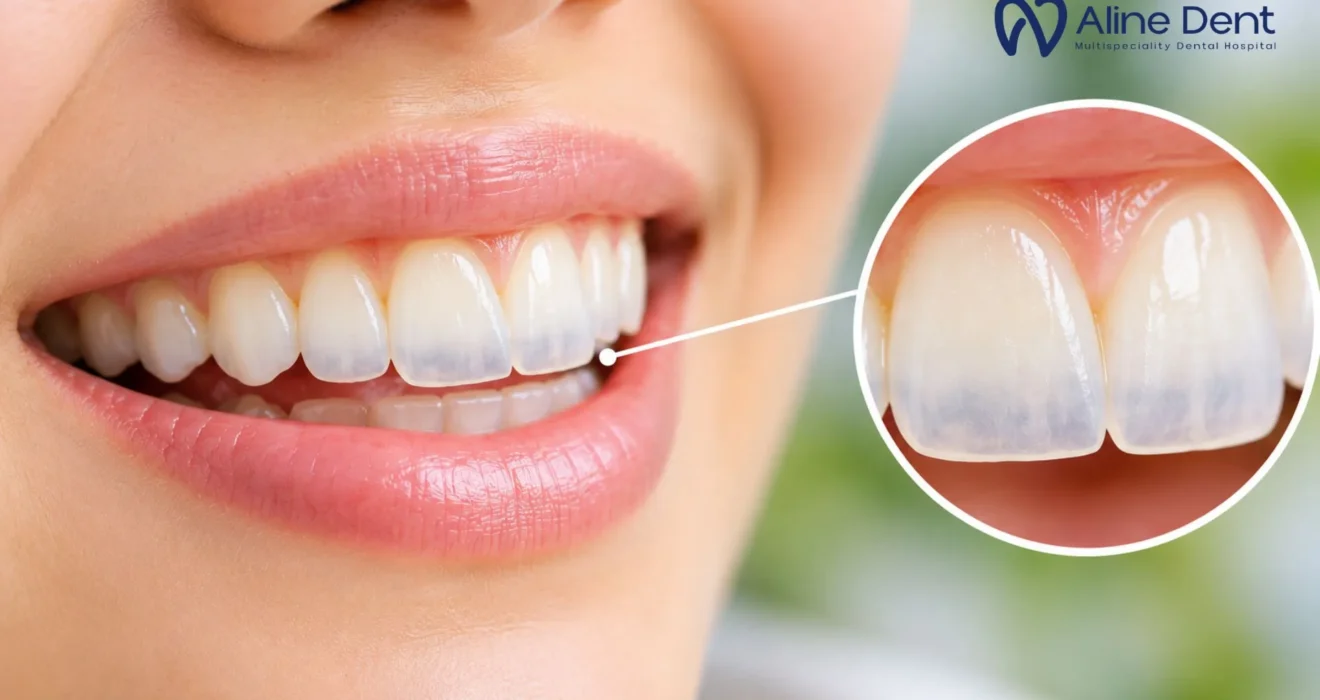
Why Do Teeth Become Transparent at the Edges? Causes, Signs, and Treatment!
Have you noticed that the edges of your front teeth look slightly see-through, especially when light falls on them? This change can be easy to overlook at first, but it may become more noticeable over time. Teeth naturally have some translucency, particularly around their biting edges. However, when the transparent appearance becomes more prominent, it could indicate changes in the enamel.
If you are wondering why do teeth become transparent at the edges, one possible explanation is enamel thinning. Enamel is the hard outer layer that protects your teeth. When it gradually wears away, the underlying dentin may become more visible, changing the way your teeth look.
Understanding the reasons behind this change can help you recognise early signs of enamel damage and take appropriate steps to protect your teeth.
Is It Normal for Teeth to Look Transparent at the Edges?
Yes, a certain amount of transparency is natural. The biting edges of front teeth, particularly the upper and lower incisors, can appear slightly translucent because enamel is naturally thinner in these areas.
However, there is a difference between natural translucency and changes caused by enamel erosion.
If the transparent area becomes wider, the edges start looking unusually thin or the teeth develop a rough or chipped appearance, it may indicate enamel loss.
Transparent teeth at the edges should not automatically be considered a dental problem, but noticeable changes in their appearance deserve attention.
Why Are My Teeth Becoming Transparent?
The transparent appearance of teeth is often associated with gradual enamel wear. Since enamel does not regenerate once it is lost, identifying the factors responsible for its deterioration is important.
Here are some common reasons why teeth may start looking more translucent.
1. Acid Erosion of Tooth Enamel
Frequent exposure to acids is one of the major reasons behind enamel erosion. Acidic substances gradually weaken the mineral structure of enamel, making it thinner and more vulnerable to damage.
Common sources of acid exposure include:
- Carbonated soft drinks.
- Citrus fruits and fruit juices.
- Vinegar-based foods.
- Sports and energy drinks.
- Frequent consumption of acidic snacks.
When enamel becomes thinner, the edges of the teeth may start appearing more transparent than usual.
2. Frequent Consumption of Acidic Foods and Drinks
It is not only the type of food you consume but also how frequently you consume it that matters.
Repeatedly sipping soft drinks, fruit juices or other acidic beverages throughout the day exposes your teeth to acids for longer periods. This can gradually affect the enamel surface.
Rinsing your mouth with water after consuming acidic foods and drinks can help reduce acid exposure.
3. Teeth Grinding and Clenching
Some people unknowingly grind or clench their teeth, particularly while sleeping. This condition is known as bruxism.
Repeated pressure and friction can wear down the enamel, especially along the biting edges of the front teeth.
Over time, the edges may become thinner, flatter or more transparent. Some people may also experience jaw discomfort, headaches, or increased tooth sensitivity.
4. Acid Reflux and Stomach-Related Conditions
Acid reflux happens when stomach acid flows back into the oesophagus and may occasionally reach the mouth.
Repeated exposure to stomach acid can weaken tooth enamel, particularly on the inner surfaces of teeth. Certain digestive conditions involving frequent vomiting can also contribute to enamel erosion.
If you experience recurring acid reflux, managing the underlying condition is important for protecting your dental health.
5. Aggressive Brushing Habits
Brushing harder does not mean your teeth will get cleaner. Using excessive pressure, particularly with a hard-bristled toothbrush, can contribute to dental wear and gum recession.
Although acid exposure is a more direct cause of enamel erosion, aggressive brushing can worsen existing wear and increase sensitivity.
Using a soft-bristled toothbrush and gentle brushing movements is a better approach.
6. Natural Age-Related Changes
Teeth experience gradual wear throughout life due to everyday activities such as chewing, biting and grinding.
As enamel changes over time, the edges may develop a slightly different appearance. However, noticeable or rapid changes should not simply be attributed to ageing without a dental examination.
What Are the Signs of Enamel Erosion?
Enamel erosion does not always cause pain in its early stages. You may first notice small changes in the appearance or texture of your teeth.
Some common signs include:
- Transparent edges: The biting edges of your front teeth begin to look see-through or glass-like.
- Increased sensitivity: You may experience discomfort when consuming hot, cold, sweet or acidic foods.
- Yellowish appearance: As enamel becomes thinner, the underlying dentin may become more visible, making teeth look yellow.
- Rough tooth surfaces: The edges or surfaces of your teeth may feel uneven.
- Chipping and cracks: Weakened enamel may make the edges more vulnerable to small chips and damage.
If you notice these changes, a dental examination can help determine whether enamel erosion is responsible.
How Is Tooth Enamel Erosion Diagnosed?
A dentist can identify enamel erosion by examining the shape, colour and surface condition of your teeth.
During the examination, the dentist may:
- Check the front and biting surfaces for signs of enamel thinning.
- Look for changes in tooth colour and transparency.
- Assess any sensitivity or discomfort.
- Review your dietary habits and oral hygiene routine.
- Check for signs of teeth grinding or acid reflux.
Identifying the underlying cause is important because treating the visible changes alone may not prevent further enamel damage.
Treatment Options for Transparent Teeth at the Edges
The right treatment depends on how much enamel has been lost and whether the teeth have developed sensitivity, chipping or structural damage.
Since lost enamel cannot naturally grow back, dental treatments focus on protecting the remaining tooth structure and improving its appearance.
1. Fluoride Treatment
For early enamel weakening, a dentist may recommend professional fluoride treatment. Fluoride helps strengthen the remaining enamel and supports the natural remineralisation process.
It may also help reduce sensitivity and protect teeth against further mineral loss.
2. Dental Bonding
Dental bonding involves applying a tooth-coloured composite resin to the affected edges. It can help improve the appearance of transparent areas while restoring the shape of slightly worn teeth.
This may be suitable for patients with mild to moderate cosmetic concerns.
3. Dental Veneers
When the front teeth have noticeable changes in appearance, dental veneers may be considered.
Veneers are thin coverings placed over the front surface of teeth to improve their shape, colour and overall appearance. A dentist will assess the remaining enamel and suitability before recommending this option.
4. Dental Crowns
If significant tooth structure has been lost, a dental crown may be recommended to cover and protect the affected tooth.
Crowns are generally considered when the damage is more extensive and other restorative options may not provide sufficient protection.
5. Treating the Underlying Cause
Restoring the appearance of your teeth is only one part of treatment. It is equally important to prevent the condition from progressing.
For example, patients with teeth grinding may benefit from a customised night guard. Those experiencing acid reflux may need medical evaluation and appropriate management.
How to Prevent Tooth Enamel Erosion?
Although enamel cannot regenerate after significant loss, you can take several steps to protect the enamel that remains.
Reduce frequent acid exposure: Avoid regularly sipping acidic drinks throughout the day. Try to limit soft drinks and other highly acidic beverages.
Drink water regularly: Water helps wash away food particles and dilute acids in the mouth.
Avoid brushing immediately after acidic foods: Wait around 30–60 minutes before brushing after consuming acidic foods or drinks. This gives the softened enamel time to recover.
Use a soft-bristled toothbrush: Brush gently twice a day with fluoride toothpaste to maintain good oral hygiene.
Avoid using teeth as tools: Do not use your teeth to open packages, bite hard objects or crack nuts, as this can cause unnecessary damage.
Address teeth grinding: If you wake up with jaw discomfort or notice flattened tooth edges, consult your dentist about possible bruxism.
Schedule regular dental check-ups: Routine examinations help identify early signs of enamel wear before the damage becomes more extensive.
When Should You Visit a Dentist?
A slight translucent appearance around the edges of your front teeth may be natural. However, if you notice that the transparent areas are becoming more visible or spreading, it is worth getting them examined.
Consider visiting a dentist if:
- Your front teeth are becoming increasingly transparent.
- You experience sensitivity while eating or drinking.
- The edges of your teeth appear thinner than before.
- Small pieces of enamel seem to be chipping away.
- Your teeth have developed a yellowish or uneven appearance.
Early evaluation can help identify the cause and prevent additional enamel damage.
Protect Your Smile with Aline Dent Multispeciality Dental Hospital
At Aline Dent Multispeciality Dental Hospital, we understand that changes in the appearance of your teeth can affect both your confidence and oral health. Transparent tooth edges may seem like a minor cosmetic concern, but they can sometimes indicate enamel erosion that needs professional attention.
We focus on understanding the condition of your teeth, identifying possible causes of enamel damage and recommending suitable dental care based on individual needs.
Whether you are experiencing tooth sensitivity, enamel wear, chipped edges or changes in tooth appearance, our dental team can help assess your concerns and guide you towards appropriate treatment options.
With clinics in Thalassery, Kuttiyadi and Vadakara, we aim to make quality dental care accessible to patients across these locations.
If you have noticed unusual transparency along your tooth edges, do not ignore the change. Visit Aline Dent Multispeciality Dental Hospital for a dental evaluation and take the right steps towards maintaining a healthy smile.
Conclusion
Transparent edges are not always a cause for concern, as some degree of translucency is natural. However, noticeable changes in tooth appearance may indicate enamel thinning or erosion.
Understanding the possible causes, making suitable changes to your daily habits and seeking timely dental care can help protect your teeth from further damage. If you are concerned about why do teeth become transparent at the edges, a dental examination can help identify the reason and determine the right approach to treatment.
FAQs
1. Why do teeth become transparent at the edges?
Teeth may become transparent at the edges when the enamel becomes thinner due to acid erosion, teeth grinding or everyday wear. Since enamel is naturally thinner near the biting edges, these areas may become more translucent as enamel is lost.
2. Can transparent teeth become white again?
Lost enamel cannot naturally grow back. However, treatments such as dental bonding or veneers may improve the appearance of transparent edges. The suitable option depends on the extent of enamel damage.
3. Are transparent teeth a sign of enamel erosion?
They can be. Increased transparency, particularly along the front tooth edges, is a possible sign of enamel thinning. However, some translucency is naturally present in healthy teeth.
4. Can toothpaste repair transparent teeth?
Fluoride toothpaste can help strengthen weakened enamel through remineralisation. However, it cannot replace enamel that has already been lost or completely reverse visible transparency caused by significant erosion.
5. Does tooth sensitivity happen with enamel erosion?
Yes. As enamel becomes thinner, the underlying dentin may become more exposed. This can make teeth more sensitive to hot, cold, sweet and acidic foods.