Do Clear Aligners Hurt? What You Really Need to Know Before Starting Treatment!
If you’re considering orthodontic treatment, one of the first questions that comes to mind is: Do clear aligners hurt? It’s a very common concern among people planning to straighten their teeth. Whether you’re an adult exploring invisible orthodontic options or a parent researching treatments for your child, understanding what to expect can make the process much less intimidating.
Many patients worry about pain before starting treatment, especially if they’ve heard stories about discomfort with traditional braces. Naturally, this leads to another question: Do aligners hurt the same way braces do? The good news is that clear aligners are designed to move teeth gently and gradually, which makes them significantly more comfortable than traditional orthodontic systems.
While some mild discomfort or pressure can occur, especially during the first few days of wearing a new aligner tray, it’s usually temporary and manageable. In fact, this slight pressure is a sign that the aligners are working and your teeth are moving into their ideal position.
In this guide, we’ll explain the real clear aligner treatment experience, how discomfort occurs, how long it lasts, and practical ways to reduce it.
How Clear Aligners Work? (Understanding the Pressure Mechanism)
To understand why people sometimes experience mild discomfort, it’s helpful to know how clear aligners work.
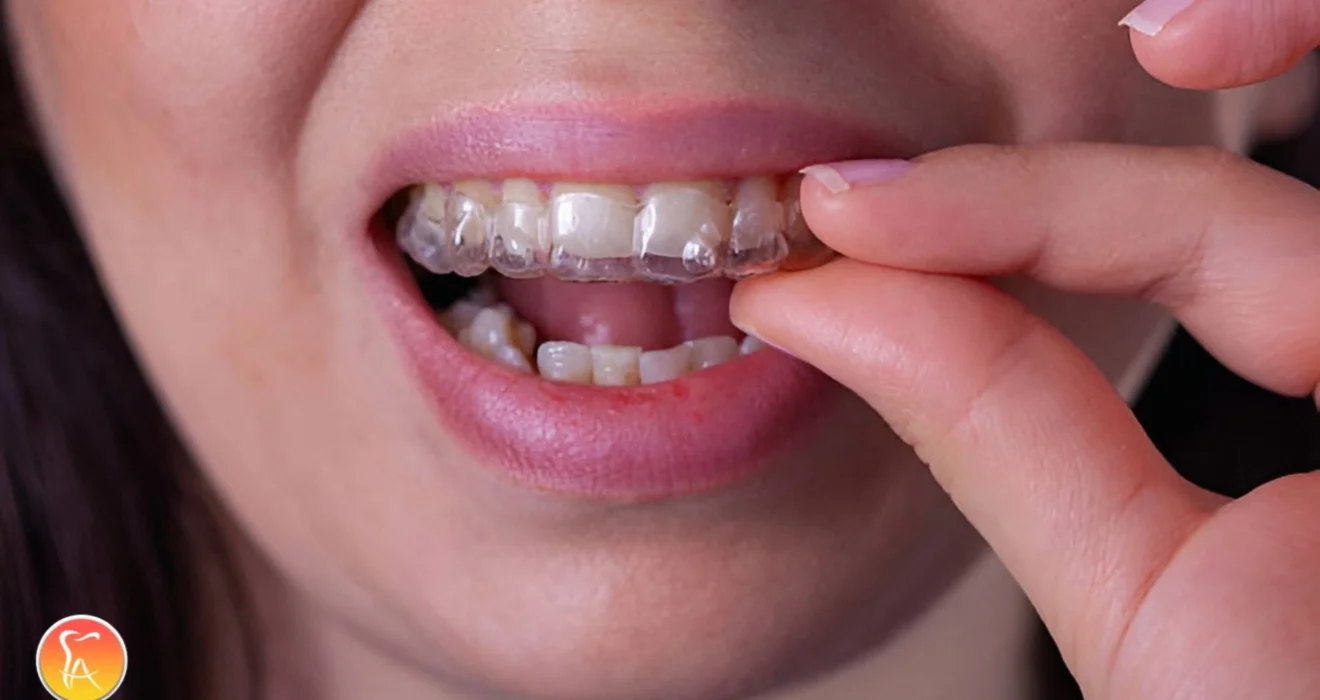
Clear aligners are custom-made aligner trays designed specifically for your teeth using advanced digital scans. Each tray fits snugly over your teeth and applies controlled orthodontic pressure to guide them into their correct position.
Instead of moving teeth all at once, aligners move them gradually through a series of trays. Each aligner is slightly different and is typically worn for about 1–2 weeks before switching to the next one in the sequence.
This gradual tooth movement is what makes aligners effective and comfortable.
However, whenever teeth move, the surrounding bone and ligaments must adapt. This process can create:
- Mild teeth shifting pain
- Slight aligner tray tightness
- Temporary tooth movement sensitivity
This sensation is especially noticeable during the first week of aligners, as your mouth is adjusting to the new orthodontic pressure.
Many patients also ask: Do invisible aligners hurt more because they are tight?
The truth is that the tightness you feel is intentional. It ensures the aligner applies the precise amount of force needed for effective tooth movement while remaining comfortable and safe.
Do Clear Aligners Hurt? Honest Answer
Let’s answer the question directly: Do clear aligners hurt?
The honest answer is yes – but only mildly and temporarily.
Most patients experience mild discomfort or pressure, especially in these situations:
- The first 2–3 days of wearing a new tray
- During the first week of treatment
- When teeth are actively shifting
This discomfort is not usually sharp pain. Instead, patients describe it as:
- Pressure on the teeth
- Tightness from aligner trays
- Slight tenderness while chewing
- Mild orthodontic soreness
On a typical pain scale, aligner discomfort usually falls between 2 and 4 out of 10, which is considered mild.
If you’re wondering do aligners hurt throughout the entire treatment, the answer is no. Most people adapt quickly, and the discomfort becomes less noticeable with each new tray.
This mild soreness is actually a positive sign. It indicates that the aligners are applying the correct pressure needed for safe and effective tooth movement.
The key takeaway: Clear aligners may cause mild pressure, but the discomfort is temporary and manageable.
When Is the Discomfort the Most?
Although clear aligner discomfort is generally mild, there are certain times during treatment when you may feel it more.
1. First Aligner Tray
The first aligner pain is usually the most noticeable because your teeth and gums are adjusting to the new orthodontic force.
2. Tray Change Days
Each time you switch to a new aligner tray, you may feel new aligner pain for the first 24–72 hours. This is normal because the new tray continues the process of tooth movement.
3. After Attachments Are Placed
Some patients require small tooth-colored bumps called attachments. These help aligners grip the teeth better. Mild discomfort may occur initially.
4. After Interproximal Reduction (IPR)
In certain cases, dentists create tiny spaces between teeth through a procedure called IPR. This may cause temporary sensitivity.
5. Removing Aligners Initially
Many patients notice slight pain when removing aligners during the first few days. As your mouth adjusts, removing trays becomes easier and painless.
Overall, these sensations are temporary and typically improve quickly.
Do Aligners Hurt More Than Braces?
Another very common question patients ask is: Do aligners hurt more than braces?
The answer is no, clear aligners are usually more comfortable than traditional braces.
Clear Aligners vs Traditional Braces
| Clear Aligners | Traditional Braces |
| Smooth plastic trays | Metal brackets and wires |
| Removable | Fixed appliance |
| Mild pressure | Strong tightening sessions |
| No wire poking | Wires can irritate cheeks |
| Fewer emergency visits | Broken brackets and wires |
Traditional braces can cause irritation because metal braces often rub against the cheeks and lips, leading to sores or cuts.
Aligners, on the other hand, are made from smooth medical-grade plastic, which reduces soft tissue trauma.
When comparing braces vs aligners pain, patients typically report:
- Less orthodontic treatment discomfort
- No metal braces pain from wires
- Minimal irritation inside the mouth
While both treatments involve tooth movement and some level of orthodontic soreness, aligners are generally considered the more comfortable option.
How Long Does Aligner Pain Last?
If you’re worried about discomfort, you might ask: how long do aligners hurt?
For most patients, the aligner adjustment period is very short.
Typically:
- Discomfort lasts 2–3 days after switching to a new tray
- The sensation fades as teeth adapt to the pressure
- By day 3 or 4, most patients barely notice the aligners
This short orthodontic pain duration is one reason why clear aligners are preferred by many adults and teenagers.
However, severe or persistent pain is uncommon. If discomfort continues for more than a few days or feels unusually intense, it’s best to consult your dentist or orthodontist.
How to Reduce Aligner Pain
Although clear aligner discomfort is usually mild, there are several practical ways to reduce it.
1. Switch to New Trays at Night
Starting a new aligner before bedtime allows your teeth to adjust while you sleep, reducing the discomfort you feel during the day.
2. Use Aligner Chewies
Chewies help aligners sit properly on teeth, reducing aligner tray tightness and improving comfort.
3. Apply a Cold Compress
Cold packs can reduce inflammation and help relieve orthodontic soreness.
4. Eat Soft Foods
During the first week with aligners or after tray changes, choose softer foods like:
- Yogurt
- Soups
- Smoothies
- Mashed vegetables
These help minimize tooth movement sensitivity while chewing.
5. Wear Aligners Consistently
It is recommended to keep aligners on for about 20–22 hours a day. Removing them too often can increase discomfort because teeth repeatedly shift back.
6. Take Pain Relief (If Recommended)
In rare cases, dentists may recommend over-the-counter pain relievers for temporary relief.
These tips to reduce aligner pain can significantly improve your clear aligner treatment experience.
When Pain Is NOT Normal?
Mild discomfort is usually normal; certain symptoms may be a sign of an issue.
Contact your dentist if you experience:
- Severe sharp pain
- Bleeding gums
- Aligners that don’t fit properly
- Jaw locking or difficulty opening the mouth
- Persistent mouth ulcers
- Severe dental aligner discomfort
These signs could indicate issues such as poor tray fit, gum irritation, or other aligner treatment side effects.
Professional evaluation ensures your treatment continues safely and effectively.
Why Choose Aline Dent for Comfortable Clear Aligner Treatment?
Choosing the right dental clinic plays a major role in ensuring a comfortable aligner experience.
At Aline Dent, clear aligner treatment is designed with both precision and patient comfort in mind.
The clinic uses advanced 3D digital scanning technology to create highly accurate aligners tailored specifically for your teeth. This technology eliminates traditional dental impressions and allows for precise, customized treatment planning.
Patients benefit from:
- Experienced orthodontic supervision
- Precision-based aligner fitting
- Regular treatment monitoring
- Personalized patient education
- Advanced digital treatment planning
Proper follow-ups ensure that aligners fit correctly and minimize pressure from aligners, reducing discomfort throughout the treatment journey.
If you’re wondering do invisible aligners hurt, the team at Aline Dent ensures your treatment is carefully monitored to minimize discomfort and maximize results.
Book a consultation at Aline Dent, the best dental clinic in Thalassery, Kannur, to start your clear aligner journey with expert guidance.
Conclusion
So, do clear aligners hurt?
For most patients, the discomfort is mild and temporary. Mild pressure and soreness are a natural part of orthodontic treatment because they indicate that teeth are moving into their correct positions.
Compared to traditional braces, clear aligners generally cause less irritation, fewer mouth sores, and a more comfortable treatment experience.
Understanding what to expect helps reduce anxiety and makes the process much easier.
If you’re considering orthodontic treatment, consulting an experienced dental professional can help you determine whether clear aligners are the right option for you.
FAQs
1. Do clear aligners hurt in the first week?
Yes, many patients experience mild discomfort during the first week of aligners. This happens because your teeth and gums are adjusting to the orthodontic pressure created by the aligner trays.
The sensation usually feels like tightness or pressure rather than sharp pain. Most patients adapt within a few days, and the discomfort gradually fades as teeth begin to move.
2. Do aligners hurt every time you change trays?
You may feel mild soreness for the first 1–3 days after switching to a new tray. Each aligner applies slightly different pressure to continue the tooth movement process.
However, this new aligner pain typically becomes less noticeable as treatment progresses.
3. Do invisible aligners hurt more than braces?
No. In fact, most patients find that invisible aligners cause less pain than braces.
Traditional braces can irritate the mouth due to metal brackets and wires, while aligners are made from smooth plastic that reduces soft tissue irritation.
Overall, invisible braces pain is usually milder and easier to manage.
4. How painful are clear aligners on a scale of 1–10?
Most patients rate aligner discomfort between 2 and 4 out of 10.
The feeling is generally described as pressure from aligners rather than sharp pain, especially during the first few days of a new tray.
5. What helps with aligner pain?
Several strategies can help manage dental aligner discomfort, including:
Switching trays at night
Using Aligner Chewies
Eating soft foods
Wearing aligners consistently
Applying cold compresses
These methods can greatly reduce clear aligner discomfort
6. Can aligners cause headaches?
In rare cases, the orthodontic pressure from aligners may cause mild headaches during the initial adjustment period. This usually occurs during the first few days of treatment or after switching trays.
The headaches typically disappear as the body adapts.
7. Should I stop wearing aligners if they hurt?
No. Mild discomfort is normal.
Removing aligners too often can slow down treatment progress. However, if you experience severe pain or unusual symptoms, consult your dentist immediately.
8. Is it normal for teeth to feel loose with aligners?
Yes, slight tooth looseness is normal during clear aligner treatment.
Teeth temporarily loosen because the surrounding bone and ligaments are adjusting to the gradual tooth movement process. This sensation is a normal part of orthodontic treatment and resolves once teeth settle into their new position.